Understanding the concept of SPF, or Sun Protection Factor, is crucial for anyone looking to protect their skin from the harmful effects of ultraviolet (UV) radiation. SPF is a measure of how well a sunscreen can protect the skin from UVB rays, which are primarily responsible for sunburn and can contribute to skin cancer. The number associated with SPF indicates the level of protection it offers; for instance, an SPF of 30 means that theoretically, it would take 30 times longer for your skin to burn than if you were not wearing any sunscreen at all. However, this is a simplified explanation, and the actual effectiveness can vary based on several factors including skin type, application amount, and environmental conditions.The importance of SPF in skincare cannot be overstated.
Regular use of sunscreen with adequate SPF can significantly reduce the risk of skin damage, premature aging, and skin cancers. UV rays can penetrate the skin even on cloudy days or during winter months, making it essential to incorporate sun protection into your daily routine regardless of the season. Moreover, many people are unaware that UV rays can also affect the skin indoors, particularly through windows. Therefore, understanding and applying SPF correctly is a vital step in maintaining healthy skin.How SPF works is equally important to grasp.
Sunscreens can be broadly classified into two categories: physical (or mineral) sunscreens and chemical sunscreens. Physical sunscreens contain active mineral ingredients like zinc oxide or titanium dioxide that sit on top of the skin and physically block UV rays. In contrast, chemical sunscreens absorb UV radiation through their chemical ingredients and convert it into heat, which is then released from the skin. Both types have their advantages and disadvantages, but what remains clear is that effective sun protection is essential for everyone.
What Are Natural SPF Ingredients?
Natural SPF ingredients are derived from minerals and plant-based sources, providing an alternative to traditional chemical sunscreens.These ingredients work by forming a physical barrier on the skin that reflects and scatters harmful UV rays, rather than absorbing them like their chemical counterparts. The most common natural SPF ingredients include zinc oxide and titanium dioxide , both of which are known for their broad-spectrum protection against UVA and UVB rays.
Zinc oxide
is particularly valued for its ability to protect against a wide range of UV radiation. It is often recommended for sensitive skin types due to its soothing properties and minimal risk of irritation. This ingredient not only provides effective sun protection but also has anti-inflammatory benefits, making it suitable for those with conditions like rosacea or acne.
Titanium dioxide
, on the other hand, is another mineral that offers excellent sun protection.
It is often used in combination with zinc oxide to enhance the overall effectiveness of natural sunscreens. While titanium dioxide is effective against UVB rays, it also provides some level of UVA protection, although not as extensive as zinc oxide. This makes it a popular choice for formulations aimed at everyday use.When comparing mineral sunscreens to chemical sunscreens, several key differences emerge. Chemical sunscreens typically contain organic compounds that absorb UV radiation, converting it into heat, which is then released from the skin.
Ingredients such as avobenzone, octisalate, and octocrylene are common in these formulations. While they can be effective, some individuals may experience skin irritation or allergic reactions due to these synthetic components.In contrast, mineral sunscreens are often praised for their gentler formulation and lower likelihood of causing skin issues. They are less likely to irritate sensitive skin and are generally considered safer for children and those with skin conditions. Additionally, mineral sunscreens provide immediate protection upon application, whereas chemical sunscreens require a waiting period before they become effective.Ultimately, the choice between natural SPF ingredients and chemical options depends on individual preferences and skin types.
Understanding the differences between these two categories can help consumers make informed decisions about their sun protection needs.
Debunking Common Myths About Natural SPF Ingredients
As the demand for natural skincare products rises, so do the myths surrounding natural SPF ingredients. Understanding the truth behind these misconceptions is crucial for making informed choices about sun protection. Here, we will debunk some of the most common myths associated with natural sunscreens.Myth 1: Natural Sunscreens Offer Lower Protection
One prevalent myth is that natural sunscreens provide inferior protection compared to their chemical counterparts. This is misleading.
Ingredients like zinc oxide and titanium dioxide are effective physical blockers that shield the skin from both UVA and UVB rays. While it’s true that some natural sunscreens may have lower SPF ratings, this does not equate to reduced effectiveness. The formulation and application technique play a significant role in achieving optimal protection.
Myth 2: They Are Not Water-Resistant
Another common misconception is that natural sunscreens lack water resistance. In reality, many formulations are designed to be water-resistant for up to 80 minutes, similar to chemical options.
However, it’s essential to remember that reapplication is necessary after swimming or sweating, regardless of the type of sunscreen used.
Myth 3: Only Suitable for Sensitive Skin
Many believe that natural sunscreens are exclusively for those with sensitive or acne-prone skin. This is not accurate; natural SPF ingredients can be beneficial for all skin types, including oily and combination skin. In fact, many natural formulations are lighter and less greasy than traditional chemical sunscreens, making them a comfortable choice for everyone.
Myth 4: Less Effective Than Chemical Sunscreens
The idea that natural sunscreens are less effective stems from a misunderstanding of how they work. Natural ingredients physically block UV rays rather than absorbing them like chemical sunscreens.
This physical barrier can sometimes offer better protection against irritation and allergic reactions, making them a safer choice for many users.
Myth 5: Difficult to Apply
Some consumers think that natural sunscreens are challenging to apply and leave an unsightly white cast on the skin. While older formulations may have had this issue, advancements in product development have led to lighter, more blendable options that cater to various skin tones. Tinted versions are also available, providing a seamless application without compromising on protection.
Myth 6: More Expensive Than Chemical Options
Lastly, there’s a belief that natural sunscreens come with a hefty price tag. While some premium brands may be pricier, many affordable options exist that compete with chemical sunscreens in terms of cost.
Investing in quality sunscreen is vital for skin health, regardless of its origin.By debunking these myths about natural sunscreen effectiveness, consumers can make better choices for their skincare routines and enjoy the benefits of safe sun protection.
The Effectiveness of Natural SPF Ingredients
When it comes to sun protection, the effectiveness of natural SPF ingredients is often questioned. However, many natural sunscreens are formulated with powerful ingredients that provide robust protection against harmful UV rays. Understanding how these ingredients work can help consumers make informed choices about their sun care.Broad-Spectrum Protection
One of the key benefits of natural SPF ingredients is their ability to offer broad-spectrum protection. This means they shield the skin from both UVA and UVB rays.
UVA rays penetrate deep into the skin, contributing to premature aging and skin cancer, while UVB rays are primarily responsible for sunburn. Natural ingredients like zinc oxide and titanium dioxide are effective physical blockers that reflect and scatter these rays, providing a protective barrier on the skin's surface.
How Natural Ingredients Work
Natural sunscreens typically contain mineral-based ingredients that work differently from their chemical counterparts. Chemical sunscreens absorb UV radiation and convert it into heat, which is then released from the skin. In contrast, natural SPF ingredients act as a physical barrier, sitting on top of the skin and deflecting UV rays away.
This mechanism not only provides immediate protection upon application but also reduces the risk of irritation for sensitive skin types.
Effectiveness Compared to Chemical Sunscreens
The effectiveness of natural sunscreens has been a topic of debate, particularly when compared to chemical formulations. While some may argue that chemical sunscreens offer higher SPF ratings, it is essential to consider that SPF is not the sole indicator of a product's effectiveness. The quality of ingredients, their ability to provide broad-spectrum protection, and how well they adhere to the skin all play crucial roles in overall efficacy.Moreover, many users find that natural sunscreens are less likely to cause allergic reactions or irritations, making them a safer choice for long-term use. Additionally, with advancements in formulation technology, many natural sunscreens now come in lightweight textures that blend seamlessly into the skin without leaving a white cast.
Conclusion
In summary, natural SPF ingredients can be highly effective in providing sun protection.
Their ability to offer broad-spectrum coverage while being gentle on the skin makes them an excellent choice for those seeking safer alternatives to traditional chemical sunscreens. As awareness grows about the benefits of natural ingredients, more consumers are likely to embrace these options for their sun care routines.
Application and Longevity of Natural Sunscreens
Applying natural sunscreen effectively is crucial for maximising its protective benefits. Unlike chemical sunscreens, which absorb UV rays, natural sunscreens work by forming a physical barrier on the skin. This means that proper application is essential to ensure even coverage and optimal protection.How to Apply Natural Sunscreen
- Start with Clean Skin: Before applying sunscreen, ensure your skin is clean and dry.
This helps the sunscreen adhere better and provides a more effective barrier against UV rays.
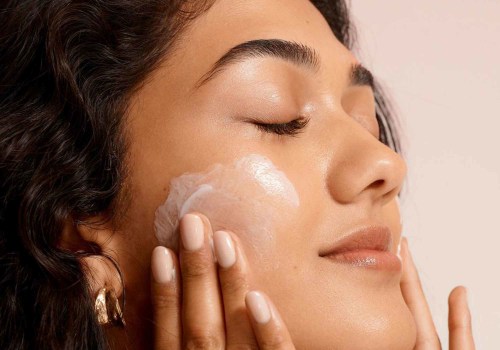
- Use the Right Amount: A common guideline is to use about a shot glass full (approximately 30ml) for full body coverage. For the face, a nickel-sized amount is usually sufficient. Applying too little can significantly reduce the effectiveness of the sunscreen.
- Apply Generously: Spread the sunscreen evenly across all exposed areas of your skin. Pay special attention to commonly missed spots such as the ears, back of the neck, and tops of the feet.
- Allow Time to Absorb: After application, give the sunscreen about 15-30 minutes to absorb into your skin before heading outdoors.
This waiting period allows the active ingredients to form a protective layer.
- Reapply Regularly: Reapplication is key to maintaining protection. It’s recommended to reapply every two hours, or more frequently if you are swimming or sweating.
Longevity of Natural Sunscreens
The longevity of natural sunscreens can vary based on several factors, including formulation, activity level, and environmental conditions. Many natural sunscreens are designed to be water-resistant for up to 80 minutes; however, this does not mean they are impervious to wear over time.
Reapplication Guidelines
- Every Two Hours: As a general rule, reapply every two hours when spending extended periods in direct sunlight.
- After Swimming or Sweating: If you’ve been in water or have perspired heavily, it’s essential to reapply immediately after drying off.
- Daily Use: Even on cloudy days or during winter months, UV rays can still penetrate through clouds and reflect off surfaces like snow. Therefore, daily application is advisable regardless of weather conditions.
By following these practices, you can enjoy the benefits of natural SPF ingredients while safeguarding your skin from harmful UV exposure.
Natural Sunscreens for Different Skin Types
When it comes to choosing a sunscreen, understanding your skin type is crucial for optimal protection and comfort. Natural sunscreens, made from mineral-based ingredients, can cater to a variety of skin types, offering unique benefits that chemical sunscreens may not provide.Natural Sunscreen for Oily Skin
For those with oily skin, the thought of applying sunscreen can be daunting. However, many natural sunscreens are formulated to be lightweight and non-comedogenic, meaning they won’t clog pores. Ingredients like zinc oxide not only provide effective sun protection but also help to absorb excess oil, making them an excellent choice for oily skin types.Look for products that are labelled as oil-free or mattifying to ensure a comfortable application.
Sensitive Skin and Natural Sunscreens
Sensitive skin often reacts adversely to harsh chemicals found in conventional sunscreens. Natural sunscreens, on the other hand, typically contain fewer irritants and are less likely to provoke allergic reactions. Ingredients such as aloe vera and chamomile can soothe the skin while providing sun protection. It’s advisable for those with sensitive skin to opt for mineral-based formulas with minimal additives to reduce the risk of irritation.Best Natural Sunscreens for All Skin Types
Finding a natural sunscreen that works well across different skin types can be challenging but not impossible.Many brands now offer versatile formulations that cater to a broad audience. Look for products that include a blend of nourishing ingredients such as coconut oil , which hydrates dry skin without feeling greasy, or sheer zinc oxide , which provides effective protection without leaving a white cast.
- For Dry Skin: Choose natural sunscreens enriched with moisturising agents like shea butter or jojoba oil. These ingredients help maintain hydration while protecting against UV rays.
- For Combination Skin: A lightweight formula that balances moisture without adding excess oil is ideal. Look for natural sunscreens that offer a matte finish yet hydrate dry areas.
- For Normal Skin: Most natural sunscreens will work well; however, those with added antioxidants can provide extra protection against environmental stressors.
By understanding the unique properties of these products, you can enjoy effective sun protection while keeping your skin healthy and radiant.
Environmental Impact of Natural vs Chemical Sunscreens
As the awareness of environmental issues continues to grow, consumers are increasingly concerned about the impact of their skincare choices, particularly when it comes to sunscreens. The debate between natural and chemical sunscreens extends beyond personal health; it encompasses significant environmental implications as well.Biodegradability of Sunscreens
One of the primary advantages of natural sunscreens is their potential for biodegradability. Many natural ingredients, such as zinc oxide and titanium dioxide, are derived from minerals and are less likely to persist in the environment compared to synthetic chemicals found in traditional sunscreens. When these natural ingredients wash off in water, they tend to break down more easily, reducing their long-term impact on marine ecosystems.In contrast, chemical sunscreens often contain compounds like oxybenzone and octinoxate, which have been shown to be harmful to coral reefs and other marine life.
Studies have indicated that these chemicals can contribute to coral bleaching, disrupting delicate underwater ecosystems. As a result, some regions have even banned the sale of certain chemical sunscreens to protect their marine environments.
Choosing Responsibly Sourced Ingredients
When selecting a sunscreen, it is crucial to consider not only its effectiveness but also the sourcing of its ingredients. Many brands that produce natural sunscreens prioritise sustainability by using responsibly sourced materials. This means they are committed to ethical harvesting practices that do not deplete natural resources or harm local ecosystems.On the other hand, some chemical sunscreens may rely on petroleum-based ingredients or other synthetic compounds that can have a detrimental effect on the environment during production and disposal.
By opting for brands that focus on eco-friendly practices, consumers can make a positive impact on both their skin and the planet.
Eco-Friendly Sunscreen Options
Fortunately, there are numerous eco-friendly sunscreen options available today. Many brands offer formulations that are free from harmful chemicals and utilise biodegradable packaging. These products not only protect your skin from UV rays but also minimise environmental harm.
- Mineral-based sunscreens: These typically contain zinc oxide or titanium dioxide and are less likely to harm marine life.
- Organic ingredients: Look for sunscreens made with organic plant oils and extracts that are sustainably sourced.
- Biodegradable packaging: Choose products packaged in recyclable or compostable materials to further reduce your environmental footprint.
Making informed choices not only benefits personal health but also contributes positively to the health of our planet.
Choosing the Right Natural Sunscreen for You
Choosing the right natural sunscreen can be a daunting task, especially with the myriad of options available on the market today. To ensure you select a product that meets your specific needs, consider the following factors:- SPF Rating: The Sun Protection Factor (SPF) indicates the level of protection a sunscreen offers against UVB rays, which are primarily responsible for sunburn. For daily use, an SPF of 30 is generally recommended, while higher SPFs may be necessary for prolonged sun exposure. However, remember that no sunscreen can provide 100% protection.
- Broad-Spectrum Protection: Look for sunscreens labelled as "broad-spectrum," which means they protect against both UVA and UVB rays.
UVA rays can prematurely age the skin and contribute to skin cancer, so comprehensive protection is essential.
- Water Resistance: If you plan to swim or sweat, opt for a water-resistant formula. Most natural sunscreens offer water resistance for up to 80 minutes, but it’s crucial to reapply after swimming or heavy sweating to maintain protection.
- Ingredient Transparency: Choose products that list their ingredients clearly and avoid those with vague terms like "natural" or "organic" without further explanation. Look for well-known natural SPF ingredients such as zinc oxide or titanium dioxide, which are effective physical blockers of UV rays.
- Skin Type Compatibility: Consider your skin type when selecting a sunscreen. For oily or acne-prone skin, look for lightweight formulas that are non-comedogenic.
Conversely, if you have dry or sensitive skin, opt for moisturising ingredients like shea butter or aloe vera that can provide additional hydration.
- Environmental Impact: Many consumers are now more conscious of the environmental effects of their skincare products. Look for sunscreens that are reef-safe and free from harmful chemicals like oxybenzone and octinoxate, which can damage marine ecosystems.
Frequently Asked Questions About Natural SPF Ingredients
As the interest in natural SPF ingredients continues to grow, many consumers have questions about their effectiveness, safety, and application.Below are some of the most frequently asked questions regarding natural sunscreens, aimed at dispelling myths and providing clarity.
What are natural SPF ingredients?
Natural SPF ingredients primarily include mineral-based compounds such as zinc oxide and titanium dioxide. These ingredients work by sitting on the skin's surface and physically blocking harmful UV rays, rather than absorbing them like chemical sunscreens. This physical barrier is effective for broad-spectrum protection against both UVA and UVB rays.Are natural sunscreens safe for all skin types?
Yes, natural sunscreens are generally safe for all skin types, including sensitive and acne-prone skin. Many formulations are designed to be non-comedogenic, meaning they won’t clog pores.However, it’s always advisable to conduct a patch test before applying any new product extensively.
How often should I reapply natural sunscreen?
Just like chemical sunscreens, natural sunscreens should be reapplied every two hours when exposed to direct sunlight. If you are swimming or sweating, it’s essential to reapply more frequently to maintain effective protection.Do natural sunscreens leave a white cast on the skin?
This is a common concern; however, advancements in formulation have led to many natural sunscreens that blend well into the skin without leaving a noticeable white residue. Some brands even offer tinted versions that cater to various skin tones.Are natural sunscreens as effective as chemical ones?
Natural sunscreens can be just as effective as their chemical counterparts when applied correctly. They provide broad-spectrum protection and are less likely to cause irritation or allergic reactions since they do not penetrate the skin.Can I use natural sunscreen in winter?
Absolutely! UV rays can still harm your skin during winter months, especially when reflected off snow.It’s crucial to apply sunscreen year-round to protect against potential sun damage.
Are there any environmental benefits to using natural sunscreens?
Many natural sunscreens are formulated with biodegradable ingredients that are less harmful to marine life compared to some chemical sunscreens. Choosing products that are reef-safe can contribute positively to environmental conservation efforts.If you have more questions about natural SPF ingredients or specific products, consulting with a skincare professional can provide tailored advice based on your individual needs.Conclusion: Embracing Natural SPF Ingredients for Healthy Skin
As we conclude our exploration of natural SPF ingredients, it is essential to reflect on the myriad benefits they offer for both our skin and the environment. The misconceptions surrounding these ingredients often deter individuals from embracing them, but understanding their true efficacy can empower consumers to make informed choices.Natural sunscreens, primarily composed of mineral-based ingredients like zinc oxide and titanium dioxide, provide effective broad-spectrum protection against harmful UVA and UVB rays. Unlike chemical sunscreens that absorb UV radiation, these natural alternatives work by physically blocking the sun's rays, making them a safer option for many skin types.This physical barrier not only protects the skin but also reduces the risk of irritation and allergic reactions, which can be common with synthetic formulations.Moreover, the environmental impact of our skincare choices cannot be overlooked. Many natural SPF products are formulated with biodegradable ingredients that are less likely to harm marine life and ecosystems. By choosing natural options, consumers contribute to a more sustainable beauty industry that prioritises both personal health and environmental stewardship.In addition to their protective qualities, natural sunscreens often contain beneficial antioxidants and nourishing ingredients that can enhance skin health. Ingredients such as shea butter, coconut oil, and various botanical extracts not only provide hydration but also help combat free radicals, further supporting skin vitality.It is crucial to remember that regardless of whether you opt for natural or chemical sunscreens, proper application and reapplication are key to effective sun protection.
Following guidelines for reapplication every two hours, especially after swimming or sweating, ensures that your skin remains shielded from UV damage.In summary, embracing natural SPF ingredients is not just a trend; it is a commitment to healthier skin and a healthier planet. By debunking myths and recognising the advantages of these products, we can confidently incorporate them into our daily skincare routines. As you consider your next sunscreen purchase, let the knowledge gained guide you towards making choices that align with your values and promote overall well-being.