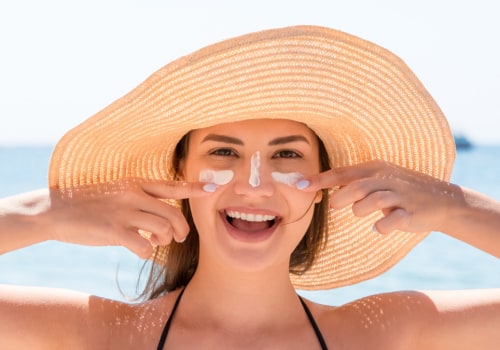
In recent years, there has been a remarkable surge in the popularity of natural sunscreens, reflecting a broader shift in consumer preferences towards products that are perceived as safer and more environmentally friendly. This trend is not merely a passing fad; it is rooted in a growing awareness of the potential risks associated with synthetic ingredients commonly found in traditional sunscreens. As consumers become increasingly educated about the impact of chemicals on their health and the environment, they are actively seeking alternatives that align with their values, much like the way individuals are exploring the Power of Exosome Therapy Unlocking Its Benefits.The benefits of , reflecting a broader shift in consumer preferences towards products that are perceived as safer and more environmentally friendly. This trend is not merely a passing fad; it is rooted in a growing awareness of the potential risks associated with synthetic ingredients commonly found in traditional sunscreens. As consumers become increasingly educated about the impact of chemicals on their health and the environment, they are actively seeking alternatives that align with their values, much like the way individuals are exploring the Power of Exosome Therapy Unlocking Its Benefits.The benefits of natural sunscreens extend beyond just ingredient transparency. Many natural formulations utilise SPF natural ingredients such as zinc oxide and titanium dioxide, which provide effective protection against harmful UV rays without the potential side effects associated with chemical filters.
These mineral-based ingredients work by sitting on the skin's surface and physically blocking UV radiation, making them suitable for all skin types, including sensitive skin. Additionally, many natural sunscreens are enriched with nourishing components like antioxidants and botanical extracts, which can enhance skin health while providing sun protection.Consumer trends in skincare indicate a significant shift towards holistic wellness, where individuals are not only concerned about the efficacy of products but also their overall impact on health and the planet. This has led to an increase in demand for organic and sustainably sourced ingredients. Brands that prioritise ethical sourcing and environmentally friendly practices are gaining traction among consumers who wish to make informed choices about their skincare routines.
As a result, the market for natural sunscreens is expanding rapidly, with more brands entering the space to meet this growing demand.Ultimately, the rise of natural sunscreens signifies a pivotal moment in the skincare industry, where consumers are taking charge of their health and making conscious decisions about the products they use. This movement towards natural options not only reflects a desire for safer skincare but also highlights a collective commitment to protecting our environment for future generations.
SPF Natural Ingredients: What Are They?
When it comes to natural sunscreens, the spotlight often shines on two key ingredients: zinc oxide and titanium dioxide. These minerals are celebrated for their ability to provide effective sun protection while being gentle on the skin.Zinc oxide
is a white, powdery mineral that acts as a physical blocker against harmful UV rays. It works by sitting on the skin's surface and reflecting both UVA and UVB radiation.
This means that rather than absorbing the sun's rays like many synthetic ingredients, zinc oxide creates a barrier that prevents them from penetrating the skin. This characteristic makes it particularly suitable for individuals with sensitive skin or conditions such as rosacea, as it is less likely to cause irritation.Moreover, zinc oxide is known for its anti-inflammatory properties, which can help soothe irritated skin and reduce redness. This dual action of providing sun protection while also calming the skin makes it a popular choice in many natural sunscreen formulations.
Titanium dioxide
, another mineral commonly found in natural sunscreens, functions similarly to zinc oxide. It also acts as a physical barrier against UV radiation, effectively scattering and reflecting sunlight.
Titanium dioxide is particularly effective against UVB rays, which are primarily responsible for causing sunburn. However, it also offers some protection against UVA rays, making it a valuable ingredient in broad-spectrum sunscreens.Both of these minerals are considered safe for use in cosmetics and are often recommended by dermatologists for their non-irritating properties. They are also less likely to cause allergic reactions compared to some synthetic chemical sunscreens.In addition to zinc oxide and titanium dioxide, many natural sunscreens incorporate other beneficial ingredients that enhance their protective qualities. For instance, antioxidants such as vitamin E and green tea extract can help combat free radicals generated by sun exposure, providing an extra layer of defence against skin damage.Furthermore, natural oils like jojoba or coconut oil may be included for their moisturising properties, ensuring that the skin remains hydrated while being protected from the sun.
This holistic approach not only shields the skin from harmful UV rays but also nourishes it at the same time.In summary, SPF natural ingredients, particularly zinc oxide and titanium dioxide, play a crucial role in effective sun protection. Their ability to create a physical barrier against UV radiation makes them essential components of any natural sunscreen formulation.
Synthetic Sunscreens: The Chemical Approach
Synthetic sunscreens have been a staple in sun protection for many years, utilising a range of chemical ingredients designed to absorb harmful UV radiation. Unlike their natural counterparts, which primarily rely on physical blockers like zinc oxide and titanium dioxide, synthetic formulations employ a variety of organic compounds that interact with UV rays in distinct ways.These chemical sunscreen ingredients, such as oxybenzone , avobenzone , octisalate , and octocrylene , work by absorbing UV radiation and converting it into heat, which is then released from the skin. This mechanism allows for a lighter feel on the skin compared to physical sunscreens, making them a popular choice for many consumers.However, the use of synthetic ingredients has raised several health concerns.Research has indicated that some of these chemicals can penetrate the skin and enter the bloodstream, leading to potential hormonal disruptions. For instance, oxybenzone has been linked to endocrine disruption, which can affect reproductive health and development. Furthermore, studies have shown that these chemicals can be detected in human urine and breast milk, raising questions about their long-term safety.In addition to health concerns, there are environmental implications associated with synthetic sunscreens. Certain ingredients have been found to be harmful to marine ecosystems, particularly coral reefs.
The chemical composition of some sunscreens can contribute to coral bleaching and disrupt marine life, prompting regions like Hawaii to ban specific harmful chemicals.Despite these concerns, synthetic sunscreens are often praised for their ease of application and aesthetic appeal. They tend to be less visible on the skin compared to physical sunscreens, which can leave a white cast. This cosmetic advantage makes them more appealing for daily use, especially among those who prefer a lightweight feel.Ultimately, while synthetic sunscreens offer effective protection against UV rays through their chemical absorption methods, it is essential for consumers to weigh the potential health risks and environmental impacts against their sun protection needs. Understanding how these products work and their implications can help individuals make informed choices about their sun care routines.
Comparing Effectiveness: Natural vs.
Synthetic SunscreensWhen it comes to sun protection, the debate between natural and synthetic sunscreens often centres on their effectiveness in shielding the skin from harmful UV rays. Understanding the nuances of this comparison is essential for consumers who want to make informed choices about their sun care products.
Natural sunscreens
, typically formulated with ingredients like zinc oxide and titanium dioxide, function by creating a physical barrier on the skin. These minerals reflect and scatter UV radiation, providing broad-spectrum protection against both UVA and UVB rays. Research indicates that these natural ingredients are not only effective but also safe for sensitive skin types, making them a popular choice among those prone to irritation.On the other hand, synthetic sunscreens often contain chemical compounds such as oxybenzone and avobenzone, which absorb UV radiation and convert it into heat.
While these products can be effective in preventing sunburn, concerns have been raised regarding their potential health risks, including hormone disruption and skin irritation. Moreover, studies have shown that some synthetic ingredients can penetrate the skin barrier and enter the bloodstream, raising questions about their long-term safety.In terms of SPF comparison, both natural and synthetic options can offer similar levels of sun protection when applied correctly. However, it is crucial to note that the SPF rating does not solely determine a sunscreen's effectiveness; the formulation and application method play significant roles as well. Experts recommend using a broad-spectrum sunscreen with an SPF of at least 30 for optimal protection.Furthermore, a study published in the Journal of the American Academy of Dermatology found that natural sunscreens containing zinc oxide provided comparable protection to synthetic formulations while also offering additional benefits such as antioxidant properties.
This highlights that not only do natural sunscreens protect against UV rays effectively, but they may also contribute to overall skin health.Ultimately, the choice between natural and synthetic sunscreens may come down to personal preference and skin type. For those prioritising environmental sustainability and minimising chemical exposure, natural options may be more appealing. Conversely, individuals seeking specific cosmetic benefits or formulations may find synthetic products more suitable.In conclusion, both natural and synthetic sunscreens can provide effective UV protection; however, understanding their differences in formulation and potential health impacts is vital for making an informed decision. As consumers become increasingly aware of what they apply to their skin, the demand for safe and effective sun protection continues to grow.
Environmental Impact: The Case for Natural Sunscreens
The environmental impact of sunscreens has become a pressing concern as awareness grows about the effects of chemical ingredients on marine ecosystems.Many conventional sunscreens contain harmful substances that can contribute to the degradation of coral reefs and other aquatic life. This section delves into the environmental ramifications of synthetic sunscreens and highlights the benefits of opting for natural alternatives.One of the most significant issues with synthetic sunscreens is their contribution to coral reef damage. Ingredients such as oxybenzone and octinoxate have been shown to cause coral bleaching, a phenomenon that weakens coral structures and disrupts marine biodiversity. Research indicates that even small amounts of these chemicals can be toxic to coral larvae, leading to long-term ecological consequences.
In response to these findings, several regions, including Hawaii and parts of the Caribbean, have enacted bans on sunscreens containing these harmful ingredients.In contrast, natural sunscreens typically utilise mineral-based ingredients like zinc oxide and titanium dioxide, which are considered safer for marine environments. These minerals act as physical blockers that reflect UV rays without penetrating the skin or entering waterways. As a result, they pose minimal risk to aquatic ecosystems, making them a more eco-friendly choice for sun protection.Moreover, many natural sunscreen brands prioritise sustainability in their formulations and packaging. They often use organic ingredients sourced from renewable resources and employ eco-conscious practices in their production processes.
This commitment not only reduces the carbon footprint associated with manufacturing but also supports biodiversity by avoiding harmful agricultural practices.Choosing eco-friendly sunscreens is not just about protecting our skin; it’s also about safeguarding our planet. By opting for products that are free from harmful chemicals, consumers can play a vital role in preserving marine life and promoting healthier ecosystems. Additionally, many natural sunscreen brands are transparent about their ingredient sourcing and environmental impact, allowing consumers to make informed choices.In summary, the environmental impact of synthetic sunscreens is significant, particularly concerning coral reef health and marine biodiversity. Natural sunscreens offer a viable alternative that not only protects our skin but also contributes to the preservation of our oceans.
As consumers become more environmentally conscious, selecting eco-friendly sunscreens becomes an essential part of responsible skincare.
Application Matters: How to Use Sunscreen Effectively
Applying sunscreen correctly is crucial for ensuring optimal protection against harmful UV rays, whether you choose a natural or synthetic product. Here are some essential tips to help you apply sunscreen effectively:- Choose the Right Amount: A common mistake is not using enough sunscreen. For your face, aim for at least a teaspoon, while a shot glass full is recommended for your entire body. This ensures that you cover all exposed areas adequately.
- Apply Before Sun Exposure: Sunscreen should be applied at least 15 to 30 minutes before going outside.
This allows the ingredients to bind to your skin and start working effectively.
- Even Coverage: When applying sunscreen, make sure to cover all areas of exposed skin evenly. Pay special attention to commonly missed spots such as the ears, back of the neck, and tops of the feet. A thorough application helps prevent sunburn and skin damage.
- Use a Broad-Spectrum Formula: Whether you opt for natural or synthetic sunscreen, ensure it offers broad-spectrum protection against both UVA and UVB rays. This is vital for comprehensive skin protection.
- Reapply Regularly: Sunscreen effectiveness diminishes over time, especially after swimming or sweating.
Reapply every two hours, or more frequently if you are in water or engaging in activities that cause sweating. This is essential for maintaining protection throughout the day.
- Layering with Other Products: If you use other skincare products like moisturisers or makeup, apply sunscreen as the last step in your skincare routine. This ensures that it forms a protective barrier on your skin.
- Check Expiry Dates: Always check the expiry date on your sunscreen. Using expired products can lead to reduced effectiveness and inadequate protection.
- Consider Your Environment: If you're spending extended periods outdoors, such as at the beach or hiking, consider using water-resistant formulas for added security against sweat and water exposure.
Common Myths About Natural Sunscreens Debunked
As the popularity of natural sunscreens continues to rise, so too do the myths and misconceptions surrounding them.It’s essential to address these misunderstandings to help consumers make informed choices about their sun protection. Here are some common myths about natural sunscreens, along with the facts that debunk them.
- Myth 1: Natural Sunscreens Are Less Effective Than Synthetic Ones
Many people believe that natural sunscreens, which often contain SPF natural ingredients like zinc oxide and titanium dioxide, do not provide adequate protection against UV rays. In reality, studies have shown that these ingredients offer broad-spectrum protection comparable to synthetic options. Zinc oxide, in particular, is renowned for its ability to shield against both UVA and UVB rays effectively. - Myth 2: Natural Sunscreens Leave a White Cast
While it’s true that some natural sunscreens can leave a white residue due to the mineral ingredients, many brands have developed formulations that blend seamlessly into the skin.Newer technologies and formulations have improved the texture and application of these products, making them more user-friendly.
- Myth 3: You Don’t Need to Reapply Natural Sunscreen as Often
A common misconception is that natural sunscreens are more stable and don’t require frequent reapplication. However, just like synthetic sunscreens, it is crucial to reapply every two hours or after swimming or sweating to maintain effective protection. The SPF rating only indicates the level of protection at the time of application. - Myth 4: Natural Sunscreens Are Only for Sensitive Skin
While it’s true that many natural sunscreens are formulated for sensitive skin types due to their gentle ingredients, they are suitable for all skin types. The nourishing properties of many natural ingredients can benefit everyone, providing hydration and antioxidant protection. - Myth 5: All Natural Ingredients Are Safe
Not all natural ingredients are automatically safe for everyone.Just because a product is labelled as 'natural' does not mean it is free from allergens or irritants. It’s essential to read labels carefully and conduct patch tests if you have sensitive skin or known allergies.
Conclusion: Making an Informed Choice for Sun Protection
In summary, the discussion surrounding SPF natural ingredients versus synthetic options reveals a complex landscape of choices for consumers. As we have explored, natural sunscreens, which primarily utilise minerals like zinc oxide and titanium dioxide, offer effective protection against harmful UV rays while being gentler on both the skin and the environment.One of the most compelling arguments for choosing natural sunscreens is their broad-spectrum efficacy.Research indicates that these mineral-based ingredients not only shield the skin from UVB rays, which cause sunburn, but also provide substantial protection against UVA rays, known for penetrating deeper into the skin and contributing to premature ageing and skin cancer. This dual action makes them a formidable choice for comprehensive sun protection.Moreover, the growing awareness of the potential health risks associated with synthetic sunscreen ingredients has prompted many to reconsider their options. With concerns about hormone disruption and environmental impact, particularly on marine ecosystems, it is clear that consumers are seeking safer alternatives. Natural sunscreens align with this desire for products that are not only effective but also environmentally responsible.However, it is essential to recognise that effectiveness is not solely determined by the ingredients used.
Proper application plays a critical role in ensuring adequate sun protection. Users must adhere to guidelines regarding the quantity and frequency of application to maximise the benefits of any sunscreen, whether natural or synthetic.Ultimately, making an informed choice about sun protection involves considering personal values and needs. For those prioritising health and environmental sustainability, natural sunscreens present a compelling option. Yet, individual skin types and sensitivities should also guide decisions; what works for one person may not be suitable for another.As you navigate your options in the sunscreen aisle this summer, take a moment to reflect on what matters most to you—be it ingredient transparency, environmental impact, or skin compatibility.
By doing so, you can confidently select a product that not only protects your skin but also aligns with your values.