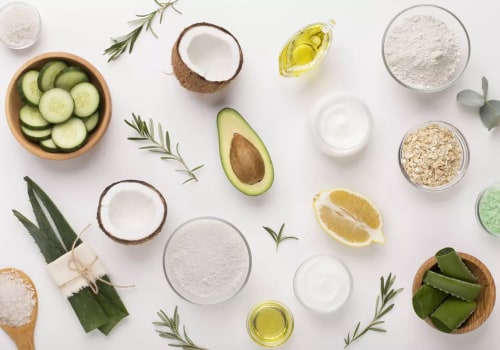
As the awareness of skin health and environmental sustainability continues to rise, the demand for natural SPF ingredients has surged dramatically. Consumers are increasingly seeking alternatives to traditional chemical sunscreens, which often contain synthetic compounds that may pose health risks and contribute to environmental degradation. This shift towards natural sunscreen options is not merely a trend; it reflects a deeper understanding of the potential dangers associated with certain chemical ingredients and a desire for safer, more effective solutions.Natural SPF ingredients, derived from botanical sources, offer a compelling alternative that aligns with the growing preference for organic and eco-friendly products. These ingredients, such as zinc oxide and titanium dioxide, provide physical barriers against harmful UV rays while being less likely to irritate the skin or disrupt hormonal balance.
The benefits of using natural ingredients extend beyond personal health; they also encompass environmental considerations, as many natural sunscreens are formulated without harmful chemicals that can damage marine ecosystems.However, with the increasing popularity of natural sunscreen products comes a pressing need for consumer education regarding their safety and effectiveness. Not all products marketed as natural are created equal, and without proper regulations or certifications, it can be challenging for consumers to discern which options truly meet their expectations. Understanding the importance of scrutinising labels and seeking out reputable certifications is essential for anyone looking to make informed choices about their sun protection.In this evolving landscape of skincare, it is crucial for consumers to remain vigilant and informed about the products they choose. By prioritising natural SPF ingredients , individuals not only protect their skin but also contribute to a broader movement towards sustainability and health-conscious living.
As we delve deeper into this topic, we will explore the various aspects of natural SPF ingredients, including their benefits, potential drawbacks, and the significance of certifications in ensuring product safety.
The Rise of Natural Sunscreens
In recent years, there has been a significant shift in consumer preferences towards natural sunscreens, driven by a growing awareness of the potential health risks associated with traditional chemical-based products. This trend reflects a broader movement towards natural and organic products across various sectors, as individuals become more conscious of the ingredients they apply to their skin.One of the primary motivations for this shift is the increasing concern over the safety of chemical sunscreens. Ingredients such as oxybenzone and octinoxate have come under scrutiny for their potential to disrupt hormonal balance and their detrimental effects on marine ecosystems, particularly coral reefs. As consumers become more informed about these issues, many are opting for natural alternatives that are perceived as safer and more environmentally friendly.The benefits of natural sunscreens extend beyond just safety.Many natural formulations utilise plant-based ingredients that not only provide sun protection but also offer additional skin benefits. For instance, ingredients like zinc oxide and titanium dioxide serve as physical blockers against UV rays while being less likely to irritate sensitive skin. Furthermore, natural oils and extracts can provide moisturising properties, enhancing the overall health of the skin.Another factor contributing to the rise of natural sunscreens is the demand for transparency in product formulation. Consumers are increasingly seeking products with clear ingredient lists, free from synthetic chemicals and artificial additives.
Certifications such as COSMOS and Ecocert play a crucial role in this regard, assuring consumers that the products they choose meet stringent standards for natural and organic ingredients.Moreover, social media and influencer marketing have amplified awareness around natural skincare , encouraging individuals to share their experiences with natural sunscreens. This has created a community of advocates who promote the benefits of using safer, eco-friendly products, further driving the trend.As we look to the future, it is evident that the demand for natural SPF ingredients will continue to grow. With increasing regulatory scrutiny on chemical sunscreens and a heightened focus on sustainability, brands are likely to innovate and expand their offerings in the realm of natural sun protection. This evolution not only benefits consumers but also contributes positively to environmental conservation efforts.
Understanding SPF and Its Importance
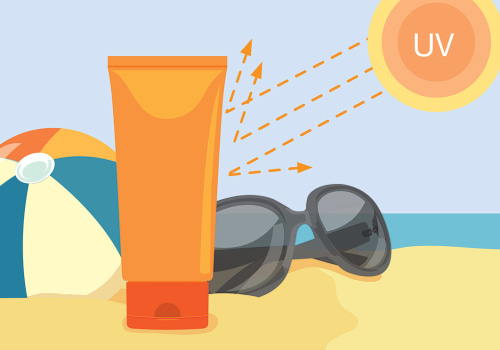
Sun Protection Factor, commonly known as SPF, is a crucial measure that indicates the level of protection a sunscreen offers against the harmful effects of ultraviolet (UV) radiation from the sun.Understanding SPF is essential for anyone who spends time outdoors, as it plays a significant role in safeguarding skin health.SPF is primarily designed to protect the skin from UVB rays, which are the main culprits behind sunburn and can contribute to skin cancer. The number associated with SPF indicates how long a person can theoretically stay in the sun without getting burned compared to not wearing any sunscreen. For instance, if you typically start to burn after 10 minutes in the sun, an SPF 30 sunscreen would allow you to stay in the sun for approximately 300 minutes (30 times longer) without burning, assuming proper application.However, it is important to note that SPF does not provide a complete picture of sun protection. It does not account for UVA rays, which penetrate deeper into the skin and can lead to premature aging and skin cancer.
Therefore, when selecting a sunscreen, it is vital to choose one that offers broad-spectrum protection, which means it protects against both UVA and UVB rays.The importance of using SPF cannot be overstated. Regular application of sunscreen with adequate SPF can significantly reduce the risk of skin damage, including:
- Prevention of Sunburn: Sunscreen helps prevent painful sunburns that can occur after prolonged exposure to UV rays.
- Reduced Risk of Skin Cancer: Consistent use of SPF products has been linked to a lower incidence of skin cancers, including melanoma.
- Prevention of Premature Aging: Sunscreen helps protect against photoaging, which manifests as wrinkles, fine lines, and age spots.
- Even Skin Tone: Regular use can help maintain an even skin tone by preventing discoloration caused by sun exposure.
By choosing products that offer broad-spectrum protection and incorporating natural SPF ingredients into your skincare routine, you can enjoy the sun safely while minimising the risks associated with UV exposure.
Common Natural SPF Ingredients
When it comes to protecting our skin from harmful UV rays, understanding the natural SPF ingredients commonly used in sunscreens is essential. These ingredients not only provide effective sun protection but also offer additional benefits that chemical alternatives may lack. Below is a detailed overview of some of the most prevalent natural SPF ingredients, their advantages, and how they stack up against synthetic options.- Zinc Oxide : One of the most popular natural SPF ingredients, zinc oxide is a mineral that provides broad-spectrum protection against both UVA and UVB rays. It works by sitting on the skin's surface and reflecting UV radiation.
In addition to its protective qualities, zinc oxide is known for its soothing properties, making it suitable for sensitive skin.
- TiO2 (Titanium Dioxide) : Similar to zinc oxide, titanium dioxide is another mineral that offers broad-spectrum sun protection. It is often used in combination with zinc oxide to enhance the effectiveness of sunscreens. Titanium dioxide is also less likely to irritate the skin compared to some chemical filters.
- Shea Butter : While not a sunscreen in itself, shea butter is often included in natural sunscreens for its moisturising properties. It helps to hydrate the skin and can improve the overall texture of sunscreen formulations.
Additionally, shea butter contains antioxidants that can help combat free radical damage caused by sun exposure.
- Coconut Oil : Known for its hydrating properties, coconut oil can provide a small amount of natural sun protection (around SPF 4-5). While it should not be relied upon as the sole source of sun protection, it can complement other natural SPF ingredients by keeping the skin moisturised and healthy.
- Aloe Vera : Renowned for its soothing and healing properties, aloe vera is often included in natural sunscreens to help calm irritated skin after sun exposure. While it does not provide significant sun protection on its own, it enhances the overall efficacy of sunscreen formulations.
- Green Tea Extract : This powerful antioxidant is known for its anti-inflammatory properties and can help protect the skin from UV damage. Green tea extract can be a beneficial addition to natural sunscreens, providing an extra layer of defence against oxidative stress caused by sun exposure.
They are less likely to cause skin irritation or disrupt hormonal balance, making them ideal for individuals with sensitive skin or those looking for eco-friendly options.Ultimately, choosing sunscreens with effective natural ingredients not only protects your skin but also aligns with a more holistic approach to skincare and environmental sustainability. As consumers become increasingly aware of what they apply to their bodies and how it impacts the planet, the demand for products featuring these beneficial natural SPF ingredients will continue to grow.
The Need for Regulations in the Natural Sunscreen Industry
As the demand for natural sunscreens continues to rise, the absence of specific regulations governing these products presents a significant concern for consumers. Unlike traditional chemical sunscreens, which are subject to stringent oversight, natural SPF products often lack the same level of scrutiny. This gap in regulation can lead to confusion and potential risks for those seeking safe and effective sun protection.Currently, in many regions, including the UK, there are no comprehensive guidelines that specifically address the formulation and marketing of natural SPF ingredients.This means that manufacturers can label their products as "natural" without any requirement to substantiate these claims. Consequently, consumers may unknowingly purchase products that do not meet their expectations for safety or efficacy.
Importance of Regulations
Regulations play a crucial role in ensuring that all sunscreen products, including those made with natural ingredients, adhere to established safety standards. These standards are designed to protect consumers from harmful substances and ensure that the products provide adequate protection against UV radiation. Without such regulations, there is a risk that some natural sunscreens may contain harmful additives or insufficient levels of active ingredients necessary for effective sun protection.Moreover, regulations help to foster consumer trust.
When consumers know that a product has undergone rigorous testing and meets specific safety criteria, they are more likely to feel confident in their purchasing decisions. This trust is essential in an industry where misinformation can easily spread, leading to misguided choices about sun protection.
Safety Standards for Natural Products
To address these concerns, it is imperative that regulatory bodies establish clear safety standards for natural SPF products. Such standards should include:
- Ingredient Transparency: Manufacturers should be required to disclose all ingredients used in their formulations, allowing consumers to make informed choices.
- Efficacy Testing: Natural sunscreens should undergo testing to verify their effectiveness in providing UV protection.
- Environmental Impact Assessments: Regulations should ensure that the sourcing and production of natural ingredients do not harm ecosystems or local communities.
The Role of Certifications in Ensuring Product Safety
In the realm of natural SPF products, certifications play a pivotal role in assuring consumers of the safety and efficacy of the items they choose to apply on their skin.With the increasing demand for transparency in product formulation, certifications serve as a beacon of trust, guiding consumers towards products that adhere to stringent standards.One of the most recognised certifications for natural products is COSMOS (Cosmetic Organic and Natural Standard). This certification is particularly significant as it sets a high benchmark for organic and natural cosmetics, ensuring that products contain a minimum percentage of organic ingredients and are free from synthetic chemicals. By choosing COSMOS-certified products, consumers can be confident that they are using formulations that are not only effective but also environmentally friendly.Another important certification is Ecocert , which focuses on organic and natural cosmetics. Ecocert evaluates the entire production process, from ingredient sourcing to manufacturing practices.
This comprehensive approach ensures that products are made with respect for the environment and human health. Products bearing the Ecocert label must meet rigorous criteria, including a commitment to sustainable practices and transparency in ingredient disclosure.The Soil Association certification is also noteworthy, particularly in the UK. This certification guarantees that products are made from at least 95% organic ingredients and are produced without harmful chemicals. The Soil Association's rigorous standards ensure that consumers can trust the integrity of the products they purchase, knowing they are supporting sustainable agriculture.Beyond these specific certifications, it is essential to understand why certifications matter in the first place.
Firstly, they provide a layer of accountability for manufacturers. When a product is certified, it means that an independent body has verified its claims, reducing the risk of misleading marketing practices. This is particularly crucial in an industry where terms like "natural" can be used loosely.Moreover, certifications often require ongoing compliance with established standards. This means that companies must continually demonstrate their commitment to quality and safety, which benefits consumers by ensuring consistent product performance over time.In conclusion, as consumers become more discerning about their skincare choices, understanding the significance of certifications for natural SPF ingredients is vital.
By opting for products with trusted certifications such as COSMOS, Ecocert, or Soil Association, individuals can make informed decisions that not only protect their skin but also support ethical and sustainable practices within the beauty industry.
How to Choose Certified Natural Sunscreens
Choosing the right certified natural sunscreen can be a daunting task, especially with the plethora of options available on the market today. To ensure you select a product that is both effective and safe, consider the following tips:- Look for Certifications: Always check for reputable certifications on the label. Certifications such as COSMOS, Ecocert, and Soil Association indicate that the product has undergone rigorous testing and meets specific standards for natural ingredients. These certifications not only assure you of the product's natural composition but also its ethical sourcing.
- Read the Ingredient List: Familiarise yourself with common natural SPF ingredients.
Look for components like zinc oxide or titanium dioxide, which are effective physical blockers against UV rays. Avoid products with vague terms like "natural" without any supporting evidence or certification.
- Check for Broad Spectrum Protection: Ensure that the sunscreen offers broad-spectrum protection, which means it shields against both UVA and UVB rays. This is crucial for comprehensive skin protection.
- Consider Skin Type: Different skin types may react differently to various ingredients. If you have sensitive skin, opt for sunscreens specifically formulated for sensitive skin types, often labelled as hypoallergenic or free from common irritants.
- Assess Water Resistance: If you plan to swim or sweat, look for water-resistant formulations.
However, remember that no sunscreen is completely waterproof; reapplication is key after swimming or excessive sweating.
- Evaluate Packaging: Sustainable packaging can also be an indicator of a brand's commitment to environmental responsibility. Look for brands that use recyclable materials or eco-friendly packaging solutions.
Future Trends in Natural Sunscreen Regulations and Certifications
As the demand for natural sunscreens continues to rise, the landscape of regulations and certifications is poised for significant evolution. Consumers are becoming increasingly aware of the ingredients in their skincare products, leading to a greater emphasis on transparency and safety.This shift is likely to drive future trends in the regulation of natural SPF ingredients.One of the most notable trends is the potential for stricter regulatory frameworks. As more consumers advocate for safer and environmentally friendly products, regulatory bodies may respond by implementing comprehensive guidelines specifically tailored for natural sunscreens. This could include mandatory testing for efficacy and safety, ensuring that products not only claim to be natural but also deliver on their promises.Furthermore, as scientific research advances, we may see evolving standards that reflect new findings regarding the effectiveness of various natural ingredients. For instance, studies on the UV protection capabilities of plant-based oils or minerals could lead to updated classifications and requirements for these substances in sunscreen formulations.In addition to regulatory changes, certifications are likely to become more prominent in the natural sunscreen market.
As consumers seek assurance that their products meet high standards, brands may pursue certifications from reputable organisations such as COSMOS or Ecocert. These certifications not only validate the natural claims of a product but also ensure ethical sourcing and sustainable practices.Moreover, we can expect an increase in consumer education initiatives aimed at informing the public about what constitutes a safe and effective natural sunscreen. Brands may invest in marketing campaigns that highlight their compliance with new regulations and certifications, thereby building trust with their customer base.Finally, as global awareness of environmental issues grows, there may be a push towards regulations that address the ecological impact of sunscreen ingredients on marine life. This could lead to bans on certain harmful chemicals and promote the use of biodegradable components in formulations.In conclusion, the future of sunscreen regulations and certifications is likely to be shaped by consumer demand for safety, transparency, and environmental responsibility.
As these trends unfold, both manufacturers and consumers will benefit from a clearer understanding of what constitutes a truly effective and safe natural sunscreen.
Conclusion: The Importance of Informed Choices in Sun Protection
As we draw our discussion to a close, it is essential to reflect on the critical points surrounding the use of natural SPF ingredients and the significance of making informed choices in sun protection. The increasing popularity of natural sunscreens is not merely a trend; it represents a shift towards safer, more environmentally friendly options that align with consumer values regarding health and sustainability.Throughout this article, we have highlighted the necessity of understanding the regulations and certifications that govern natural SPF products. With the absence of specific regulations for these ingredients, consumers must rely on certifications to ensure that they are selecting products that are both effective and safe. Certifications such as COSMOS, Ecocert, and the Soil Association serve as vital indicators of quality, providing transparency about ingredient sourcing and product formulation.Moreover, we discussed how these certifications not only guarantee safety but also promote ethical practices in ingredient sourcing.By choosing certified products, consumers can support brands that prioritise sustainability and environmental stewardship. This is particularly important in an era where ecological concerns are at the forefront of consumer consciousness.In addition to safety and ethical considerations, it is crucial to recognise the role of informed decision-making in protecting our skin from harmful UV rays. The effectiveness of natural SPF ingredients can vary significantly between products. Therefore, understanding how to read labels, identify reputable certifications, and research brands can empower consumers to make choices that best suit their needs.As we look towards the future, it is likely that the demand for natural sunscreens will continue to grow, prompting further advancements in regulations and certifications.
This evolution will not only enhance consumer trust but also contribute positively to public health and environmental conservation.In conclusion, as you prepare for sunny days ahead, remember that your choice of sunscreen matters. Opting for certified natural SPF ingredients is not just about protecting your skin; it is about making a conscious decision that benefits your health and the planet. By prioritising informed choices in sun protection, you can enjoy the outdoors with peace of mind.