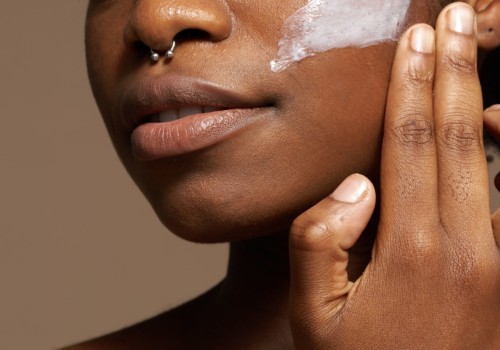
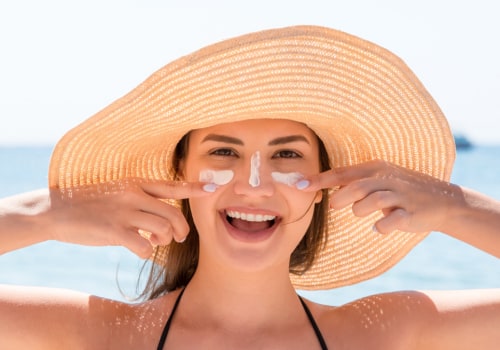
Understanding the significance of SPF (Sun Protection Factor) is essential for anyone who wishes to maintain healthy skin while enjoying the outdoors. The sun emits harmful ultraviolet (UV) rays that can lead to a range of skin issues, including sunburn, premature aging, and even skin cancer. Incorporating SPF into your daily makeup routine is not merely a cosmetic choice; it is a vital step in safeguarding your skin from these damaging effects. Many people may not realise that makeup can serve as an effective barrier against UV radiation, making it an integral part of a comprehensive skincare regimen.When we talk about SPF in makeup, we refer to products that contain ingredients designed to protect the skin from UV rays while providing coverage and enhancing appearance.
This dual functionality makes SPF-infused makeup particularly appealing for those who lead busy lives and may forget to apply traditional sunscreen. By choosing makeup with built-in SPF, you can simplify your skincare routine without compromising on protection.Moreover, the importance of using SPF extends beyond just preventing sunburn. Regular exposure to UV rays can accelerate skin aging, leading to wrinkles, fine lines, and uneven skin tone. By incorporating SPF into your makeup products, you are not only protecting your skin in the short term but also investing in its long-term health.
This proactive approach allows you to enjoy the sun safely while maintaining a radiant complexion.As we delve deeper into the world of natural SPF ingredients in makeup products, it becomes clear that these formulations offer a multitude of benefits. Not only do they provide effective sun protection, but they also align with a growing consumer demand for clean beauty products that are gentle on both the skin and the environment. Understanding the role of SPF in makeup is the first step towards making informed choices that benefit both your skin and our planet.
The Shift Towards Natural Ingredients in Beauty Products
In recent years, there has been a remarkable shift in the beauty industry towards the use of natural ingredients in makeup products. This trend is largely driven by an increasing consumer awareness regarding the potential risks associated with synthetic chemicals commonly found in beauty products.As individuals become more informed about the ingredients they apply to their skin, they are actively seeking alternatives that are not only safer but also more environmentally friendly.One of the primary factors contributing to this shift is the growing concern over skin health. Many consumers are now aware that certain synthetic ingredients can lead to skin irritations, allergies, and long-term health issues. As a result, they are gravitating towards products that feature natural ingredients , which are often perceived as gentler and more compatible with the skin's natural chemistry. Ingredients derived from plants, minerals, and other natural sources tend to be less likely to cause adverse reactions, making them a preferred choice for those with sensitive skin.Moreover, the rise of social media and online platforms has empowered consumers to share their experiences and knowledge about beauty products.
Influencers and beauty enthusiasts frequently advocate for natural beauty products , highlighting their benefits and effectiveness. This has created a community of like-minded individuals who prioritise transparency in ingredient sourcing and formulation practices.Another significant aspect of this trend is the environmental impact of beauty products. Consumers are increasingly aware of how their choices affect the planet. Many synthetic ingredients have been linked to environmental degradation, including harm to marine life and pollution.
In contrast, natural ingredients are often sourced sustainably and are biodegradable, making them a more eco-friendly option.The demand for natural beauty products has prompted many brands to reformulate their offerings, ensuring that they meet consumer expectations for safety and sustainability. This shift not only benefits consumers but also encourages companies to innovate and invest in research for new natural alternatives.In summary, the movement towards natural ingredients in makeup reflects a broader cultural change where consumers prioritise health, safety, and environmental responsibility. As this trend continues to grow, it paves the way for more brands to embrace natural formulations, ultimately leading to a healthier beauty industry.
What Are Natural SPF Ingredients?
Natural SPF ingredients are derived from naturally occurring sources, primarily minerals and plant extracts, that provide protection against the sun's harmful ultraviolet (UV) rays. Unlike synthetic SPF ingredients, which are often chemically formulated, natural SPFs work by physically blocking or reflecting UV radiation from the skin.This distinction is crucial for consumers who are increasingly seeking safer and more environmentally friendly options in their beauty products.One of the most common types of natural SPF ingredients is zinc oxide. This mineral acts as a physical barrier on the skin, effectively reflecting both UVA and UVB rays. It is widely regarded for its broad-spectrum protection and is often found in formulations designed for sensitive skin due to its gentle nature. Another mineral frequently used is titanium dioxide , which also provides broad-spectrum protection and is often combined with zinc oxide to enhance sun protection efficacy.In addition to these minerals, several plant-based oils have been identified as having natural SPF properties.
For instance, red raspberry seed oil boasts an impressive SPF range of 28-50, thanks to its high antioxidant content and anti-inflammatory properties. This makes it particularly beneficial for individuals with sensitive or acne-prone skin. Similarly, carrot seed oil has been noted for its SPF of 38-40 and is rich in carotenoids, which help protect the skin from UV damage while also promoting skin health.The way natural SPF ingredients function is fundamentally different from their synthetic counterparts. While synthetic SPFs absorb UV radiation and convert it into heat, which is then released from the skin, natural SPFs create a physical barrier that reflects UV rays away from the skin's surface.
This not only reduces the risk of irritation but also minimizes the potential for allergic reactions that some individuals experience with chemical sunscreens.Moreover, natural SPF ingredients are often less harmful to marine ecosystems compared to synthetic options. Chemicals like oxybenzone and octinoxate have been linked to coral bleaching and other environmental issues. By choosing makeup products that incorporate natural SPF ingredients, consumers can make a positive impact on both their skin health and the environment.In summary, understanding what constitutes natural SPF ingredients is essential for making informed choices about sun protection in makeup products. With options like zinc oxide, titanium dioxide, red raspberry seed oil, and carrot seed oil available, consumers can enjoy effective sun protection while prioritising their health and the planet.
Key Benefits of Using Natural SPF Ingredients in Makeup
Utilising natural SPF ingredients in makeup products offers a multitude of benefits that extend beyond mere sun protection.These advantages encompass skin compatibility, environmental sustainability, and overall health improvements, making them an excellent choice for conscientious consumers.
Skin Compatibility
One of the most significant benefits of natural SPF ingredients is their compatibility with various skin types. Unlike synthetic alternatives, which can often lead to irritation or allergic reactions, natural ingredients tend to be gentler on the skin. For instance, zinc oxide and titanium dioxide, both commonly used in natural formulations, are known for their soothing properties. They create a physical barrier on the skin that reflects UV rays without penetrating deeply, reducing the risk of irritation.Moreover, many natural SPF ingredients are rich in vitamins and antioxidants that promote skin health.
For example, red raspberry seed oil is not only effective in providing sun protection but also contains high levels of vitamin E and essential fatty acids that nourish and hydrate the skin. This dual action helps maintain a healthy complexion while safeguarding against sun damage.
Environmental Impact
The environmental implications of our beauty choices are becoming increasingly important. Many synthetic SPF ingredients have been linked to coral reef damage and other ecological issues. By opting for makeup products that incorporate natural SPF ingredients, consumers can significantly reduce their environmental footprint.
Natural minerals like zinc oxide and titanium dioxide are biodegradable and do not contribute to marine pollution, making them a more sustainable choice.
Overall Health Benefits
In addition to protecting the skin from harmful UV rays, natural SPF ingredients can enhance overall skin health. The anti-inflammatory properties found in many natural oils help soothe conditions such as acne or rosacea, providing relief while also offering sun protection. Furthermore, the antioxidants present in these ingredients combat free radicals generated by sun exposure, thereby reducing the risk of premature aging.In summary, the use of natural SPF ingredients in makeup products not only provides effective sun protection but also promotes skin health and environmental sustainability. By choosing products enriched with these beneficial components, consumers can enjoy a holistic approach to beauty that aligns with their values and enhances their well-being.
Popular Natural SPF Ingredients to Look For
When selecting makeup products that offer sun protection, it’s essential to understand the various natural SPF ingredients available.These ingredients not only shield your skin from harmful UV rays but also provide additional skincare benefits. Below are some of the most popular natural SPF ingredients to look for:
Zinc Oxide
Zinc oxide is a standout ingredient in the realm of natural sun protection. It provides broad-spectrum protection against both UVA and UVB rays, making it an effective physical sunscreen. Unlike chemical sunscreens that absorb UV radiation, zinc oxide works by sitting on the skin's surface and reflecting harmful rays away.This makes it particularly suitable for sensitive skin types, as it is less likely to cause irritation or allergic reactions.Additionally, zinc oxide has anti-inflammatory properties, which can help soothe irritated skin and reduce redness. Its non-comedogenic nature means it won’t clog pores, making it an excellent choice for those prone to acne.
Titanium Dioxide
Similar to zinc oxide, titanium dioxide is another mineral that offers broad-spectrum sun protection. It is often used in conjunction with zinc oxide to enhance the effectiveness of sun protection in makeup products. Titanium dioxide works by reflecting UV rays away from the skin, providing a physical barrier against sun damage.This ingredient is also gentle on the skin and is suitable for individuals with sensitive or reactive skin types.Furthermore, titanium dioxide has been shown to have soothing properties, making it beneficial for those who experience irritation from other types of sunscreens.
Red Raspberry Seed Oil
Red raspberry seed oil is a lesser-known but highly effective natural SPF ingredient. Studies suggest that it has an SPF ranging from 28 to 50, making it a potent option for sun protection. This oil is rich in antioxidants and essential fatty acids, which help nourish and hydrate the skin while providing a protective barrier against UV radiation.Moreover, red raspberry seed oil possesses anti-inflammatory properties that can benefit those with acne-prone or sensitive skin. Its high vitamin E content also aids in protecting the skin from free radical damage, promoting overall skin health.Carrot Seed Oil
Carrot seed oil is another remarkable natural ingredient known for its sun-protective qualities, with an estimated SPF of 38 to 40.This oil is packed with antioxidants and carotenoids, which help protect the skin from UV damage while promoting cell regeneration.In addition to its sun protection benefits, carrot seed oil has anti-inflammatory properties that can soothe irritated skin and improve its overall appearance. It is particularly beneficial for mature or aging skin due to its ability to promote elasticity and hydration.Incorporating these natural SPF ingredients into your makeup routine not only enhances your sun protection but also contributes to healthier skin overall. When shopping for makeup products, look for formulations that highlight these ingredients to ensure you are giving your skin the best possible care while enjoying the benefits of sun protection.
How to Choose Makeup Products with Natural SPF Ingredients
Choosing makeup products that contain natural SPF ingredients can be a daunting task, especially with the plethora of options available on the market today. However, with a few practical tips and a keen eye for detail, you can make informed decisions that benefit both your skin and the environment.1.Read the Labels Carefully
The first step in selecting makeup with natural SPF is to thoroughly read the product labels.
Look for terms like "broad-spectrum protection", which indicates that the product protects against both UVA and UVB rays. Additionally, check for specific natural SPF ingredients such as zinc oxide or titanium dioxide, which are known for their effectiveness and safety.
2.Understand the SPF Rating
Not all SPF ratings are created equal. An SPF of 30 or higher is generally recommended for adequate sun protection. However, it’s essential to consider how much product you will apply.
A higher SPF may not be necessary if you are using a small amount of makeup. Aim for products that offer a balance between coverage and protection.
3.Look for Certifications
Many brands now seek certifications to validate their claims about natural ingredients and sun protection. Look for labels such as "organic", "cruelty-free", or "eco-friendly". These certifications can provide additional assurance that the product aligns with your values regarding health and environmental sustainability.
4.Check Ingredient Lists
- Avoid Harmful Chemicals: Steer clear of products containing synthetic chemicals like oxybenzone or octinoxate, which can irritate the skin and harm marine life.
- Prioritise Natural Oils: Ingredients like red raspberry seed oil and carrot seed oil not only provide sun protection but also nourish the skin with antioxidants.
5.Test for Skin Compatibility
Before committing to a new product, it’s wise to conduct a patch test to ensure compatibility with your skin type.
Apply a small amount of the product on your wrist or behind your ear and observe for any adverse reactions over 24 hours.
6.Seek Recommendations
Consulting beauty experts or reading reviews from other consumers can provide valuable insights into the effectiveness of specific products. Online forums, beauty blogs, and social media platforms are excellent resources for gathering opinions on makeup products with natural SPF ingredients.By following these guidelines, you can confidently choose makeup products that not only enhance your beauty but also protect your skin from harmful UV rays while being kind to the planet.
Addressing Common Misconceptions About Natural SPF Ingredients
As the beauty industry evolves, so too do the conversations surrounding the ingredients we use in our makeup products. Unfortunately, with this evolution comes a plethora of misconceptions about natural SPF ingredients. Addressing these myths is crucial for consumers who wish to make informed choices about their skincare and makeup routines.Myth 1: Natural SPF Ingredients Are Ineffective
One of the most prevalent misconceptions is that natural SPF ingredients, such as zinc oxide and titanium dioxide, are less effective than their synthetic counterparts.
In reality, these minerals provide broad-spectrum protection against both UVA and UVB rays. They work by forming a physical barrier on the skin that reflects harmful rays, making them highly effective for sun protection. Numerous studies have shown that these natural ingredients can offer comparable, if not superior, protection when used correctly.
Myth 2: All Sunscreens Are Created Equal
Another common myth is that all sunscreens provide the same level of protection. This is misleading.
The effectiveness of a sunscreen depends on its formulation, including the type and concentration of active ingredients. Natural SPF products often contain additional beneficial components like antioxidants and anti-inflammatory agents, which can enhance skin health while providing sun protection.
Myth 3: Natural SPF Ingredients Cause Breakouts
Some individuals believe that natural SPF ingredients can clog pores and lead to breakouts. However, many natural SPF ingredients, particularly zinc oxide, are non-comedogenic. This means they do not block pores and are suitable for various skin types, including oily and acne-prone skin.
In fact, the soothing properties of these natural ingredients can help calm inflammation and reduce redness.
Myth 4: You Don’t Need SPF on Cloudy Days
A widespread misconception is that sun protection is unnecessary when it’s cloudy or overcast. In truth, up to 80% of UV rays can penetrate through clouds. Therefore, using makeup products with natural SPF is essential every day, regardless of the weather conditions.
Myth 5: Natural Ingredients Are Always Safe
While many natural ingredients are gentle and beneficial for the skin, it’s important to remember that 'natural' does not automatically equate to 'safe.' Some individuals may still experience allergic reactions or sensitivities to certain natural substances. It’s always advisable to conduct a patch test before fully incorporating a new product into your routine.By debunking these myths surrounding natural SPF ingredients, consumers can make more informed decisions about their skincare and makeup choices.
Understanding the facts helps in appreciating the benefits of using products enriched with natural sun protection while ensuring optimal skin health.
The Environmental Impact of Choosing Natural Over Synthetic SPFs
As consumers become increasingly aware of the products they use, the environmental impact of those products has come to the forefront of discussions, particularly in the beauty industry. The choice between natural and synthetic SPF ingredients is not just a matter of personal preference; it has significant implications for our planet.Impact of Synthetic SPFs on Marine Life
Synthetic SPF ingredients, such as oxybenzone and octinoxate, have been linked to detrimental effects on marine ecosystems. When these chemicals wash off into the ocean, they can cause coral bleaching, which is a process that weakens coral reefs and disrupts marine biodiversity. Coral reefs are vital to ocean health, providing habitat for countless marine species and protecting coastlines from erosion.Research has shown that even small concentrations of these synthetic compounds can lead to harmful effects on coral larvae and adult corals alike.
The loss of coral reefs not only affects marine life but also impacts local economies that rely on tourism and fishing. By choosing makeup products with natural SPF ingredients, consumers can help mitigate these harmful effects and contribute to the preservation of marine ecosystems.
Environmental Benefits of Natural Ingredients
Natural SPF ingredients, such as zinc oxide and titanium dioxide, are generally considered safer for the environment. These minerals do not dissolve in water and are less likely to be absorbed by marine organisms. Furthermore, many natural ingredients are derived from sustainable sources, reducing the overall ecological footprint associated with their production.Additionally, natural beauty products often utilise eco-friendly packaging and sustainable practices in their manufacturing processes.
This commitment to sustainability extends beyond just the ingredients; it encompasses the entire lifecycle of the product, from sourcing to disposal.
Choosing Eco-Friendly Beauty Products
When selecting beauty products, consumers can make a significant impact by opting for those that prioritise natural ingredients and environmentally friendly practices. Look for brands that are transparent about their sourcing methods and those that actively engage in initiatives aimed at reducing plastic waste and promoting biodiversity.
- Research brands that use biodegradable packaging.
- Support companies that participate in conservation efforts.
- Choose products with minimal environmental impact during production.
Conclusion: Embracing Natural SPF Ingredients for Healthier Skin and Planet
In conclusion, the integration of natural SPF ingredients into makeup products represents a significant advancement in both skincare and environmental consciousness. As we have explored throughout this article, the benefits of these ingredients extend far beyond mere sun protection.They offer a holistic approach to beauty that prioritises skin health while also considering the well-being of our planet.By choosing makeup that incorporates natural SPF components such as zinc oxide , titanium dioxide , red raspberry seed oil , and carrot seed oil , consumers can enjoy effective sun protection without the adverse effects often associated with synthetic alternatives. These natural ingredients not only shield the skin from harmful UV rays but also provide additional benefits, including anti-inflammatory and antioxidant properties that promote overall skin health.Moreover, the environmental impact of our beauty choices cannot be overstated. The harmful effects of synthetic SPF ingredients on marine ecosystems, particularly coral reefs, highlight the urgent need for more sustainable options. By opting for makeup products that utilise natural ingredients, we contribute to the preservation of our oceans and support a more sustainable beauty industry.As consumers become increasingly aware of the importance of ingredient transparency and sustainability, brands are responding by reformulating their products to include safer, more effective natural alternatives.
This shift not only empowers individuals to make informed choices about their beauty routines but also encourages companies to prioritise ethical practices in their production processes.Ultimately, embracing natural SPF ingredients in makeup is a step towards healthier skin and a healthier planet. It is an opportunity to align our beauty routines with our values, ensuring that we protect ourselves while also safeguarding the environment for future generations. As you consider your next makeup purchase, remember that every choice counts—choose wisely and embrace the power of nature in your beauty regimen.