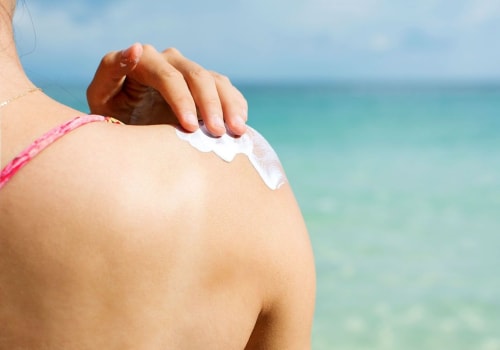
In an age where skin health is increasingly prioritised, understanding the significance of sun protection has never been more crucial. The sun emits harmful ultraviolet (UV) rays that can wreak havoc on our skin, leading to a myriad of issues ranging from sunburns to more severe conditions like skin cancer. The two primary types of UV rays, UVA and UVB, each pose unique threats. UVA rays penetrate deeply into the skin, contributing to premature ageing and wrinkles, while UVB rays are primarily responsible for causing sunburn.
Both types can lead to long-term damage, making it imperative to adopt effective sun protection measures.Using sunscreen is one of the most effective ways to shield our skin from these damaging rays. Sunscreen acts as a barrier, either absorbing or reflecting UV radiation before it can penetrate the skin. The Sun Protection Factor (SPF) rating on sunscreen products indicates their effectiveness against UVB rays, with higher numbers signifying greater protection. However, many people remain unaware of the importance of reapplication and the need for broad-spectrum protection that covers both UVA and UVB rays.Moreover, the consequences of neglecting sun protection extend beyond immediate discomfort.
Chronic exposure to UV radiation can lead to serious health issues, including skin cancer, which is one of the most common forms of cancer worldwide. Additionally, prolonged sun exposure can accelerate skin ageing, resulting in fine lines, age spots, and a loss of elasticity. Therefore, incorporating a robust sun protection routine into your daily skincare regimen is not just a cosmetic choice; it is a vital health decision.As we delve deeper into this guide on SPF natural ingredients, it is essential to recognise that effective sun protection goes beyond conventional sunscreens. By harnessing the power of natural ingredients known for their protective properties, we can enhance our defence against harmful UV rays while also nurturing our skin with beneficial nutrients.
This holistic approach not only safeguards our skin but also promotes overall well-being.
What is SPF and How Does it Work?
The concept of Sun Protection Factor , commonly known as SPF, is a crucial element in understanding how to protect our skin from the sun's harmful rays. SPF is a numerical rating that indicates the level of protection a sunscreen provides against UVB rays, which are primarily responsible for causing sunburn and can contribute to skin cancer.To grasp how SPF works, it’s essential to understand the relationship between the SPF number and the duration of sun exposure. For instance, if you typically start to burn after 10 minutes of sun exposure without any protection, applying a sunscreen with an SPF of 30 theoretically allows you to stay in the sun for 300 minutes (10 minutes multiplied by 30). However, this is an ideal scenario and does not account for factors such as sweating, swimming, or towel drying, which can diminish the effectiveness of sunscreen.SPF ratings are determined through laboratory testing, where volunteers apply a specific amount of sunscreen to their skin and are then exposed to UVB light.The time it takes for their skin to redden is measured and compared to unprotected skin. This process helps establish the SPF value. It’s important to note that while higher SPF numbers indicate greater protection, they do not provide a linear increase in safety. For example, an SPF of 50 does not mean you can stay in the sun five times longer than an SPF of 10.Moreover, SPF only measures protection against UVB rays and does not account for UVA rays, which penetrate deeper into the skin and can lead to long-term damage such as premature aging and skin cancer.
Therefore, it is vital to choose a broad-spectrum sunscreen that protects against both UVA and UVB rays.In summary, understanding SPF is fundamental for making informed choices about sun protection. Always look for sunscreens that offer broad-spectrum coverage with an appropriate SPF rating for your skin type and planned sun exposure. Regular application and reapplication are key to maintaining effective protection throughout your time outdoors.
The Rise of Natural Ingredients in Sunscreens
In recent years, there has been a significant shift in consumer preferences towards natural sunscreen ingredients. This trend is driven by a growing awareness of the potential risks associated with synthetic chemicals commonly found in traditional sunscreens.As more individuals seek to adopt healthier lifestyles, the demand for organic sunscreen options has surged, reflecting a desire for products that are not only effective but also safe for both skin and the environment.The benefits of using natural ingredients in sunscreens are manifold. Firstly, many natural components, such as zinc oxide and titanium dioxide, provide broad-spectrum protection against harmful UV rays without the potential irritants often found in chemical sunscreens. These mineral-based ingredients work by sitting on the skin's surface and physically blocking UV radiation, making them suitable for sensitive skin types.Moreover, natural sunscreens often incorporate nourishing botanical extracts and oils that offer additional skin benefits. For instance, ingredients like red raspberry seed oil and carrot seed oil not only provide sun protection but also deliver antioxidants and essential fatty acids that help to hydrate and repair the skin.
This dual action makes them an appealing choice for those looking to enhance their skincare routine while safeguarding against sun damage.Another compelling reason for the rise of natural sunscreens is their environmental impact. Many conventional sunscreens contain harmful chemicals such as oxybenzone and octinoxate, which have been linked to coral reef degradation and marine life disruption. In contrast, natural formulations are often biodegradable and free from these harmful substances, making them a more sustainable choice for eco-conscious consumers.The increasing availability of organic sunscreen products reflects this shift in consumer demand. Brands are now prioritising transparency in their ingredient sourcing and formulation processes, allowing consumers to make informed choices about the products they apply to their skin.
As awareness continues to grow regarding the importance of both personal health and environmental sustainability, it is likely that the trend towards natural ingredients in sunscreens will only strengthen.In conclusion, the rise of natural ingredients in sunscreens is not merely a passing trend; it represents a fundamental change in how we approach sun protection. By choosing products that harness the power of nature, consumers can enjoy effective sun defence while also caring for their skin and the planet.
Top SPF Natural Ingredients to Look For
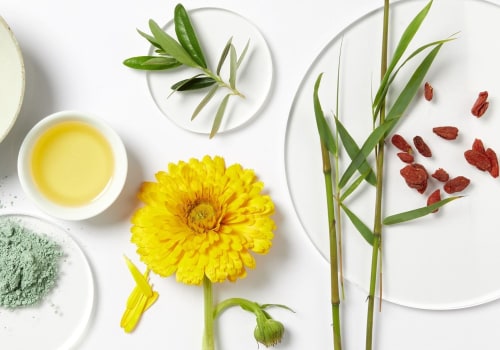
When it comes to selecting effective natural sunscreens, understanding the key SPF natural ingredients is essential. Here are some of the most potent natural ingredients known for their sun protection properties:- Zinc Oxide : This mineral is a staple in many natural sunscreens due to its ability to provide broad-spectrum protection against both UVA and UVB rays. Zinc oxide works by sitting on the skin's surface and reflecting harmful rays away.
It is also known for its soothing properties, making it suitable for sensitive skin types. With an SPF rating of 20 to 50, it is one of the most effective natural sun blockers available.
- Titanium Dioxide : Similar to zinc oxide, titanium dioxide is another mineral that offers broad-spectrum protection. It is particularly effective against UVB rays and has an SPF rating ranging from 15 to 30. This ingredient is often used in combination with zinc oxide to enhance overall sun protection.
Additionally, titanium dioxide is gentle on the skin and less likely to cause irritation.
- Red Raspberry Seed Oil : This oil has gained popularity for its impressive SPF rating, which can reach up to 50. Rich in antioxidants and essential fatty acids, red raspberry seed oil not only provides sun protection but also nourishes and hydrates the skin. Its anti-inflammatory properties make it an excellent choice for those with sensitive or irritated skin.
- Carrot Seed Oil : Known for its high beta-carotene content, carrot seed oil boasts an SPF rating of around 40. This oil not only protects against UV damage but also promotes skin regeneration and has anti-aging benefits.
Its rich nutrient profile helps maintain skin elasticity and overall health.
- Coconut Oil : While not as potent as other natural ingredients, coconut oil offers a modest SPF of approximately 7.Its high content of medium-chain fatty acids provides a degree of sun protection while also deeply moisturising the skin. For optimal results, consider using coconut oil in conjunction with a higher SPF sunscreen.
The Role of Antioxidants in Enhancing Sun Protection
While SPF natural ingredients are essential for protecting the skin from harmful UV rays, the inclusion of antioxidants in your skincare routine can significantly enhance this protection. Antioxidants play a crucial role in neutralising free radicals—unstable molecules that can cause oxidative stress and damage skin cells.This damage can lead to premature ageing, inflammation, and even skin cancer. By incorporating antioxidants into your sun protection strategy, you can bolster your skin's defence against the adverse effects of sun exposure.
How Antioxidants Work
Antioxidants work by donating electrons to free radicals, effectively stabilising them and preventing them from causing further damage. This process not only protects the skin from oxidative stress but also aids in repairing existing damage. When combined with SPF natural ingredients, antioxidants create a synergistic effect that enhances overall skin protection.Key Antioxidants for Sun Protection
Several antioxidants have been extensively studied for their protective benefits against UV damage:- Vitamin C: Known for its brightening properties, Vitamin C is also a powerful antioxidant that helps to neutralise free radicals generated by UV exposure.
It promotes collagen synthesis, which is vital for maintaining skin elasticity and firmness.
- Vitamin E: This fat-soluble antioxidant works in tandem with Vitamin C to enhance sun protection. It helps to stabilise cell membranes and reduce inflammation caused by UV rays, making it an excellent choice for post-sun exposure recovery.
- Green Tea Extract: Rich in polyphenols, particularly epigallocatechin gallate (EGCG), green tea extract has been shown to protect against UV-induced skin damage. Its anti-inflammatory properties help soothe irritated skin while providing additional antioxidant support.
By understanding how these powerful compounds work and selecting products that contain them, you can create a comprehensive sun protection strategy that promotes healthier, more resilient skin.
Choosing the Right Sunscreen with Natural Ingredients
When it comes to selecting a sunscreen that incorporates natural ingredients, there are several key factors to consider to ensure you are making the best choice for your skin's health and protection. Here are some essential tips to guide you in your search for the ideal sunscreen.1.Look for Broad-Spectrum Protection
The first step in choosing a sunscreen is to ensure it offers broad-spectrum protection. This means it protects against both UVA and UVB rays. UVA rays penetrate the skin more deeply and are primarily responsible for premature aging, while UVB rays are the main cause of sunburn.A broad-spectrum sunscreen will help shield your skin from both types of harmful rays, reducing the risk of skin damage and long-term health issues.
2.Check the SPF Rating
The Sun Protection Factor (SPF) rating is crucial in determining how long your skin can be protected from UVB rays. For effective sun protection, look for a sunscreen with an SPF of at least 30. This level of SPF blocks approximately 97% of UVB rays. If you have fair or sensitive skin, consider opting for a higher SPF to provide additional protection.3.Water Resistance Matters
If you plan on swimming or engaging in activities that cause sweating, it’s vital to choose a sunscreen that is water-resistant.Water-resistant sunscreens maintain their SPF protection for a certain period while you are in water or sweating. Look for products that specify whether they are water-resistant for 40 or 80 minutes, as this will give you an idea of how often you need to reapply.
4.Examine the Ingredient List
When selecting a sunscreen with natural ingredients, always read the ingredient list carefully. Look for mineral-based options that contain zinc oxide or titanium dioxide, as these ingredients provide effective physical barriers against UV rays. Additionally, check for other beneficial natural components such as red raspberry seed oil, carrot seed oil, and antioxidants like vitamin E.5.Be Mindful of Allergens and Irritants
Even though natural ingredients are generally gentler on the skin, it’s still important to be aware of potential allergens or irritants that may be present in some formulations.If you have sensitive skin or known allergies, opt for products that are specifically labelled as hypoallergenic or suitable for sensitive skin types.
6.Reapplication is Key
No matter how effective your chosen sunscreen is, remember that reapplication is essential for maintaining protection throughout the day. It is recommended to reapply every two hours, especially after swimming or sweating, to ensure continuous coverage against harmful UV rays.By keeping these tips in mind when selecting a sunscreen with natural ingredients, you can enhance your sun protection routine while also caring for your skin's health.Common Myths About Natural Sunscreens Debunked
As the demand for natural sunscreens continues to rise, so too do the myths and misconceptions surrounding their effectiveness. Many people are hesitant to switch from traditional chemical sunscreens to natural alternatives due to these misunderstandings. In this section, we will debunk some of the most common myths about natural sunscreens, helping you make informed choices for your skin's protection.Myth 1: Natural Sunscreens Are Less Effective
One of the most prevalent myths is that natural sunscreens do not provide adequate protection against UV rays.This misconception often stems from the belief that only chemical sunscreens can offer high SPF ratings. However, many natural ingredients, such as zinc oxide and titanium dioxide, are proven to be effective at blocking both UVA and UVB rays. In fact, these mineral-based ingredients create a physical barrier on the skin, reflecting harmful rays away.
Myth 2: Natural Sunscreens Leave a White Cast
While it is true that some mineral sunscreens can leave a white residue on the skin, advancements in formulation have led to many products that blend seamlessly with various skin tones. Brands are now using micronized or nano-sized particles of zinc oxide and titanium dioxide, which significantly reduce the white cast effect.Therefore, it is possible to find effective natural sunscreens that do not alter your complexion.
Myth 3: You Don’t Need to Reapply Natural Sunscreen as Often
Another common misconception is that natural sunscreens offer longer-lasting protection than their chemical counterparts. Regardless of the type of sunscreen you use, it is crucial to reapply every two hours, especially after swimming or sweating. The effectiveness of any sunscreen diminishes over time, and failing to reapply can lead to sunburn and skin damage.Myth 4: All Natural Ingredients Are Safe
While many natural ingredients are beneficial for the skin, not all are suitable for everyone. Some individuals may experience allergic reactions or irritation from certain botanical extracts or oils.It is essential to read ingredient labels carefully and conduct patch tests when trying new products, even those marketed as natural.
Myth 5: Natural Sunscreens Are Only for Sensitive Skin
This myth suggests that only individuals with sensitive skin should use natural sunscreens. In reality, anyone can benefit from the gentle formulations of natural products. Many people choose natural sunscreens for their environmental benefits and lower risk of irritation, making them suitable for all skin types.By debunking these myths about natural sunscreens, we can better understand their effectiveness and advantages. Making informed choices about sun protection is vital for maintaining healthy skin while enjoying the outdoors.How to Incorporate Natural Sun Protection into Your Routine
Incorporating natural sun protection into your daily skincare routine is essential for maintaining healthy skin while safeguarding it from harmful UV rays.Here are some effective strategies to seamlessly integrate SPF natural ingredients into your regimen.
1.Start with a Clean Canvas
Before applying any sunscreen, ensure your skin is clean and free from impurities. Use a gentle cleanser suitable for your skin type to remove dirt, oil, and makeup. This step not only prepares your skin for better absorption of the sunscreen but also enhances its effectiveness.2.Layering Your Products
When incorporating sunscreen into your skincare routine, layering is key. After cleansing, apply a toner or serum that contains antioxidants like Vitamin C or Green Tea Extract.These ingredients can help neutralise free radicals and enhance the protective effects of your sunscreen.
3.Choose the Right Sunscreen
Select a broad-spectrum sunscreen that contains natural ingredients such as zinc oxide or titanium dioxide. Look for products with an SPF of at least 30 for adequate protection. If you have sensitive skin, opt for mineral-based formulations that are less likely to cause irritation.4.Application Techniques
For maximum effectiveness, apply sunscreen generously and evenly across all exposed areas of your skin. Use about a nickel-sized amount for your face and more for larger areas like your arms and legs.Don’t forget often-overlooked areas such as the ears, neck, and the back of your hands.
5.Timing is Everything
Apply sunscreen at least 15-30 minutes before sun exposure to allow it to absorb properly into the skin. This waiting period ensures that the active ingredients have time to form a protective barrier against UV rays.6.Reapplication is Crucial
Sunscreen effectiveness diminishes over time, especially when exposed to water or sweat. Reapply every two hours, or more frequently if you are swimming or sweating heavily. Consider using a mineral powder sunscreen for easy reapplication throughout the day without disturbing your makeup.7.Daily Sun Protection Tips
- Wear Protective Clothing: In addition to sunscreen, consider wearing hats, sunglasses, and long-sleeved clothing made from UV-protective fabrics.
- Avoid Peak Sun Hours: Try to stay indoors during peak sun hours (10 AM to 4 PM) when UV rays are strongest.
- Seek Shade: Whenever possible, seek shade under trees or umbrellas to reduce direct sun exposure.
Frequently Asked Questions About SPF Natural Ingredients
When it comes to SPF natural ingredients, many people have questions about their effectiveness, safety, and how they compare to traditional sunscreens.Below are some of the most frequently asked questions regarding natural sunscreens and their ingredients.
What are SPF natural ingredients?
SPF natural ingredients refer to components derived from nature that provide sun protection. These include minerals like zinc oxide and titanium dioxide, as well as plant-based oils such as red raspberry seed oil and carrot seed oil. These ingredients not only help shield the skin from harmful UV rays but also often come with additional skin benefits.Are natural sunscreens as effective as chemical ones?
Yes, many natural sunscreens can be just as effective as their chemical counterparts. Mineral-based sunscreens containing zinc oxide or titanium dioxide offer broad-spectrum protection against both UVA and UVB rays.However, it is essential to choose a product with a sufficient SPF rating (at least 30) and to apply it correctly for optimal protection.
Can I rely solely on natural oils for sun protection?
While some natural oils, like coconut oil, have a low SPF (around 7), they should not be relied upon as the sole form of sun protection. Instead, consider using them in conjunction with a broad-spectrum sunscreen for added hydration and benefits. Always check the SPF rating of any product you use.How do I know if a sunscreen is truly natural?
To determine if a sunscreen is genuinely natural, read the ingredient list carefully. Look for products that contain mineral-based ingredients like zinc oxide or titanium dioxide and avoid those with synthetic chemicals or artificial fragrances.Certifications from reputable organic or natural skincare organisations can also provide assurance.
Are there any side effects associated with using natural sunscreens?
Natural sunscreens are generally well-tolerated; however, some individuals may experience allergic reactions or irritation from specific plant oils or extracts. It’s advisable to perform a patch test before applying a new product extensively, especially if you have sensitive skin.How often should I reapply natural sunscreen?
Just like traditional sunscreens, it is crucial to reapply natural sunscreen every two hours, especially after swimming or sweating. This ensures continuous protection against UV rays and helps maintain the effectiveness of the product.By addressing these common queries about SPF natural ingredients, we hope to enhance your understanding and confidence in choosing the right sun protection for your skin.Conclusion: Embracing Natural Ingredients for Effective Sun Protection
In conclusion, the journey towards effective sun protection is not just about slathering on any sunscreen; it is about making informed choices that prioritise both our skin's health and the environment. Throughout this guide, we have explored the remarkable benefits of SPF natural ingredients, which offer a safer and often more effective alternative to synthetic options.We began by understanding the critical role of sun protection in safeguarding our skin from the damaging effects of UV rays.The importance of using products that provide broad-spectrum protection cannot be overstated, as both UVA and UVB rays pose significant risks, including premature aging and skin cancer.The natural ingredients highlighted in this guide, such as zinc oxide and titanium dioxide , serve as powerful shields against harmful rays. These minerals not only reflect UV radiation but also cater to sensitive skin types, making them ideal for a wide range of users. Additionally, oils like red raspberry seed oil and carrot seed oil have shown impressive SPF ratings while delivering nourishing properties that enhance skin health.Moreover, we discussed the surprising benefits of coconut oil, which, while not a standalone solution, can complement your sun protection routine with its hydrating qualities. The inclusion of antioxidants such as Vitamin C , Vitamin E , and green tea extract further amplifies the protective effects of your sunscreen by combating free radicals generated by sun exposure.As you consider your options for sun protection, remember to look for products that are not only effective but also free from harsh chemicals that can irritate the skin.
Opting for natural ingredients is a step towards a healthier skincare routine that respects both your body and the planet.Ultimately, embracing SPF natural ingredients is about more than just preventing sunburn; it’s about nurturing your skin and making choices that contribute to long-term health. By prioritising these natural alternatives, you can enjoy the sun safely while maintaining radiant and healthy skin.