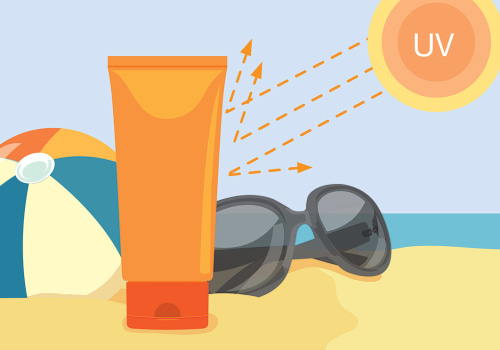
Understanding the concept of SPF, or Sun Protection Factor, is essential for anyone looking to maintain healthy skin and prevent premature aging. SPF is a measure of how well a sunscreen can protect the skin from harmful ultraviolet (UV) rays, specifically UVB rays, which are primarily responsible for sunburn and can contribute to skin cancer. The number associated with SPF indicates the level of protection it offers; for instance, an SPF of 30 blocks approximately 97% of UVB rays, while SPF 50 blocks about 98%. However, it is crucial to remember that no sunscreen can provide complete protection, making proper application and reapplication vital.The importance of SPF in skincare cannot be overstated.
Regular use of sunscreen significantly reduces the risk of sun damage, which manifests as wrinkles, fine lines, dark spots, and loss of skin elasticity. These signs of aging are often exacerbated by prolonged exposure to the sun without adequate protection. By incorporating a broad-spectrum sunscreen with a suitable SPF into your daily routine, you are not only safeguarding your skin from immediate harm but also investing in its long-term health and appearance.Understanding how SPF works is equally important. Sunscreens can be classified into two main categories: chemical and physical (or mineral).
Chemical sunscreens absorb UV radiation through their active ingredients, converting it into heat that is then released from the skin. In contrast, physical sunscreens contain natural minerals like zinc oxide or titanium dioxide that sit on the skin's surface and reflect UV rays away. This distinction is particularly relevant when considering SPF natural ingredients, as they often fall under the physical category and provide additional benefits such as soothing inflammation and acting as antioxidants.
What Are SPF Natural Ingredients?
SPF natural ingredients refer to components derived from nature that are used in sunscreens to provide protection against harmful ultraviolet (UV) rays. The most prominent of these ingredients are zinc oxide and titanium dioxide , both of which are classified as mineral or physical sunscreens.Unlike their chemical counterparts, which absorb UV radiation, these minerals work by forming a physical barrier on the skin that reflects and scatters UV rays, thereby preventing them from penetrating the skin.One of the key advantages of using SPF natural ingredients is their broad-spectrum protection. Zinc oxide, for instance, is effective against both UVA and UVB rays, making it a versatile choice for comprehensive sun protection. Titanium dioxide also offers similar benefits, although it is primarily effective against UVB rays. This dual action is crucial in safeguarding the skin from sunburn and long-term damage that can lead to premature aging.In addition to their protective qualities, SPF natural ingredients come with a host of other benefits:
- Anti-inflammatory properties: Both zinc oxide and titanium dioxide have soothing effects on the skin, making them suitable for sensitive skin types.
They can help reduce redness and irritation caused by sun exposure.
- Less likelihood of irritation: Unlike many chemical sunscreens that can cause allergic reactions or irritate sensitive skin, mineral sunscreens are generally well-tolerated. This makes them an excellent option for individuals with conditions like rosacea or eczema.
- Antioxidant effects: Zinc oxide has been shown to possess antioxidant properties, which can help combat free radicals generated by UV exposure. This adds an extra layer of protection against oxidative stress that contributes to skin aging.
- Environmental safety: Many consumers are increasingly concerned about the environmental impact of their skincare products. Mineral sunscreens are often considered more eco-friendly compared to chemical alternatives, which can harm marine life when washed off in oceans and lakes.
Their ability to act as a physical barrier against UV rays, combined with their soothing properties and lower risk of irritation, makes them a preferred choice for many individuals seeking safe and effective sun care solutions.
The Rise of Natural Sunscreens in Skincare
In recent years, there has been a significant shift in consumer preferences towards natural sunscreens, reflecting a broader trend in the skincare industry that prioritises health and environmental consciousness. This movement is largely driven by increasing awareness of the potential risks associated with chemical sunscreen ingredients, prompting many individuals to seek safer, more natural alternatives.One of the primary concerns surrounding traditional chemical sunscreens is their ingredient composition. Many popular chemical filters, such as oxybenzone and octinoxate, have been scrutinised for their potential to disrupt hormonal balance and cause skin irritation. Studies have indicated that these substances can be absorbed into the bloodstream, raising alarms about their long-term effects on human health.As a result, consumers are becoming more discerning about what they apply to their skin, leading to a surge in demand for products that feature SPF natural ingredients.Natural sunscreens typically utilise mineral-based ingredients like zinc oxide and titanium dioxide, which provide a physical barrier against harmful UV rays. These minerals not only offer effective sun protection but also come with additional benefits, such as being less likely to irritate sensitive skin. This is particularly appealing to those who have experienced adverse reactions to chemical formulations.Moreover, the rise of social media and influencer culture has played a pivotal role in shaping consumer preferences. Many beauty influencers advocate for clean beauty practices and share their personal experiences with natural products, further encouraging their followers to make informed choices.
This visibility has helped demystify the benefits of natural sunscreens and has made them more accessible to a wider audience.Additionally, environmental concerns are influencing consumer behaviour. Many individuals are now aware of the ecological impact of certain chemical sunscreens on marine life, particularly coral reefs. As awareness grows about the harmful effects of these chemicals on aquatic ecosystems, consumers are increasingly opting for natural sunscreens that are biodegradable and reef-safe.In summary, the trend towards natural sunscreens is not merely a passing fad; it reflects a deeper shift in consumer values prioritising health, safety, and environmental sustainability. As more people become educated about the potential risks associated with chemical ingredients, the demand for products featuring SPF natural ingredients is likely to continue its upward trajectory.
The Science Behind Anti-Aging Properties of SPF Natural Ingredients
Understanding the anti-aging properties of SPF natural ingredients requires a closer look at the science behind how these components function to protect our skin.The primary role of any sunscreen is to shield the skin from harmful ultraviolet (UV) radiation, which is a significant contributor to skin aging. UV rays can lead to various forms of skin damage, including photoaging, which manifests as wrinkles, fine lines, and hyperpigmentation.When we apply sunscreens containing natural ingredients like zinc oxide and titanium dioxide, we are utilising physical blockers that reflect and scatter UV rays away from the skin. This mechanism is crucial because it prevents the penetration of UV radiation that can cause cellular damage and accelerate the aging process.Moreover, many SPF natural ingredients possess inherent antioxidant properties. Antioxidants are vital in combating oxidative stress caused by free radicals—unstable molecules that can damage skin cells and lead to premature aging.
Ingredients such as green tea extract, vitamin E, and coenzyme Q10 are often included in formulations alongside mineral sunscreens. These antioxidants work synergistically with physical blockers to enhance the protective effects against environmental aggressors.Research has shown that antioxidants can neutralise free radicals generated by UV exposure, thereby reducing inflammation and promoting skin repair. This dual action not only protects against immediate sun damage but also contributes to long-term skin health by minimising the visible signs of aging.Additionally, the anti-inflammatory properties of certain natural ingredients help soothe irritated skin, which is particularly beneficial for individuals with sensitive or reactive skin types. By reducing inflammation, these ingredients can prevent further damage that may accelerate aging.In summary, the science behind the anti-aging properties of SPF natural ingredients lies in their ability to provide effective sun protection while also delivering antioxidant benefits.
By incorporating these elements into your skincare routine, you can significantly enhance your skin's resilience against aging factors.
Common Misconceptions About SPF Natural Ingredients
When it comes to SPF natural ingredients, there are numerous misconceptions that can cloud our understanding and influence our skincare choices. Addressing these myths is crucial for making informed decisions about sun protection and overall skin health.Myth 1: Natural Sunscreens Are Ineffective
One of the most prevalent misconceptions is that natural sunscreens, which often contain minerals like zinc oxide and titanium dioxide, are less effective than their chemical counterparts. In reality, mineral sunscreens provide broad-spectrum protection by physically blocking UV rays. Studies have shown that they can be just as effective, if not more so, than chemical sunscreens when applied correctly.
Myth 2: Higher SPF Means Better Protection
Another common myth is that a higher SPF guarantees superior protection.
While it’s true that higher SPF numbers block a greater percentage of UVB rays, the difference in protection between SPF 30 and SPF 50 is minimal—only about 1%. Moreover, many people apply sunscreen insufficiently, which can lead to inadequate protection regardless of the SPF rating.
Myth 3: Natural Ingredients Are Always Safe
While many consumers believe that natural ingredients are inherently safe, this is not always the case. Some individuals may still experience allergic reactions or irritation from natural components. It’s essential to conduct a patch test before fully incorporating any new product into your routine, regardless of its ingredient source.
Myth 4: You Don’t Need Sunscreen on Cloudy Days
A widespread belief is that sunscreen is unnecessary when it’s overcast.
However, up to 80% of UV rays can penetrate clouds, meaning that sun protection is still vital even on gloomy days. This misconception can lead to unprotected skin exposure and increase the risk of sun damage.
Myth 5: All Sunscreens Are Created Equal
Not all sunscreens offer the same level of protection or formulation quality. It’s crucial to choose products labelled as "broad-spectrum," which protect against both UVA and UVB rays. Additionally, some formulations may contain harmful chemicals that can be absorbed into the skin, making it essential to read labels carefully.By debunking these myths surrounding SPF natural ingredients, we empower ourselves to make better choices for our skin health.
Understanding the facts versus fiction in sunscreen can lead to more effective sun protection strategies and ultimately contribute to healthier, more youthful skin.
How to Choose the Right SPF Natural Ingredients for Your Skin Type
Choosing the right sunscreen is crucial for maintaining healthy skin, especially when considering SPF natural ingredients. Different skin types have unique needs, and understanding these can help you select a product that not only protects against UV damage but also complements your skin's characteristics.Understanding Your Skin Type
Before diving into specific products, it's essential to identify your skin type. The main categories include:- Normal Skin: Balanced moisture levels with few imperfections.
- Oily Skin: Excess sebum production, often leading to shine and acne.
- Dry Skin: Lacks moisture, may feel tight or flaky.
- Sensitive Skin: Prone to irritation, redness, and allergic reactions.
- Combination Skin: A mix of oily and dry areas, typically oily in the T-zone.
Selecting SPF Natural Ingredients Based on Skin Type
Once you know your skin type, you can make more informed choices about which natural sunscreens to consider:- For Normal Skin: Look for a lightweight formula with zinc oxide or titanium dioxide. These ingredients provide effective sun protection without clogging pores.
- For Oily Skin: Opt for oil-free or mattifying sunscreens that contain natural ingredients like green tea extract, which can help control oil production while providing sun protection.
- For Dry Skin: Choose a sunscreen enriched with hydrating ingredients such as shea butter or aloe vera.
These will not only protect your skin but also provide moisture.
- For Sensitive Skin: Select mineral-based sunscreens with minimal ingredients. Look for products labelled as hypoallergenic and free from fragrances and parabens to reduce the risk of irritation.
- For Combination Skin: A versatile sunscreen that balances hydration and oil control is ideal. Consider a gel-based formula that hydrates dry areas while keeping oily zones in check.
Additions for Specific Concerns
If you have specific skin concerns such as acne or rosacea, look for sunscreens that include additional beneficial ingredients. For instance, products containing niacinamide can help reduce redness and improve the overall texture of the skin.Always patch-test new products to ensure compatibility with your skin.Selecting the right sunscreen with appropriate SPF natural ingredients tailored to your skin type is vital for effective sun protection and overall skin health. By understanding your unique needs, you can make informed choices that enhance your skincare routine while safeguarding against sun damage.
Proper Application Techniques for Maximum Effectiveness
Applying sunscreen correctly is crucial for ensuring that your skin receives the maximum protection it needs against harmful UV rays. Many people underestimate the importance of proper application techniques, which can significantly impact the effectiveness of the product. Here are some essential tips to help you apply sunscreen correctly and maintain its protective benefits throughout the day.How Much Sunscreen to Use
One of the most common mistakes is not using enough sunscreen.To achieve the full SPF protection indicated on the label, you should apply a generous amount. A good rule of thumb is to use:
- Two fingers' worth of sunscreen for your face and neck.
- A shot glass fullA shot glass full (approximately 30ml) for your entire body.
When to Apply Sunscreen
Timing is also critical when it comes to sunscreen application. For optimal results, follow these guidelines:- Apply sunscreen at least 15-30 minutes before going outdoors. This allows the product to absorb into your skin and form an effective barrier against UV rays.
- Reapply every two hours , or more frequently if you are swimming or sweating.
Water-resistant sunscreens can provide some protection, but they still need to be reapplied regularly.
Application Techniques
The way you apply sunscreen can also affect its efficacy. Here are some practical tips:- Use a gentle, circular motion when applying sunscreen to ensure even coverage. Pay special attention to areas that are often missed, such as the ears, back of the neck, and tops of the feet.
- Don’t forget about your lips! Use a lip balm with SPF to protect this sensitive area from sun damage.
- If using makeup, consider a setting spray or powder with SPF for easy reapplication throughout the day without disturbing your makeup.
Integrating SPF Natural Ingredients into Your Skincare Routine
Integrating products that contain SPF natural ingredients into your skincare routine is essential for maintaining healthy, youthful skin.To maximise the benefits of these products, it’s important to consider how they interact with other elements of your skincare regimen.First and foremost, start with a solid foundation. A gentle cleanser is crucial for removing impurities without stripping the skin of its natural oils. Look for a cleanser that is free from harsh chemicals and fragrances, as these can irritate the skin and counteract the soothing properties of your SPF natural ingredients.After cleansing, apply a toner to help balance your skin’s pH levels. Toners containing natural ingredients like rose water or witch hazel can provide additional hydration and prepare your skin for subsequent products.Next, consider incorporating a serum that targets specific skin concerns.
For instance, a vitamin C serum can enhance your skin’s brightness and provide antioxidant protection, complementing the protective qualities of your sunscreen. Apply the serum before your SPF product to allow it to penetrate deeply into the skin.When it comes to moisturising, choose a lightweight formula that hydrates without feeling greasy. Look for moisturisers that contain hyaluronic acid or glycerin, which can help retain moisture and improve skin texture. This step is particularly important if you are using mineral sunscreens with zinc oxide or titanium dioxide, as these can sometimes leave a matte finish.Once your skincare layers are in place, it’s time to apply your sunscreen with SPF natural ingredients.
Ensure you use an adequate amount—about a shot glass full for your face and body—and apply it evenly across all exposed areas. Remember to reapply every two hours, especially if you are outdoors or engaging in activities that cause sweating.Finally, don’t forget about the importance of combining your sunscreen with other protective measures. Wearing a wide-brimmed hat and UV-blocking sunglasses can further shield your skin from harmful rays. Additionally, try to seek shade during peak sun hours (10 AM to 4 PM) when UV radiation is at its strongest.In summary, integrating SPF natural ingredients into your skincare routine involves layering products effectively while ensuring each step complements the others.
By following these tips, you can enhance not only your sun protection but also your overall skin health and anti-aging efforts.
Frequently Asked Questions About SPF Natural Ingredients and Anti-Aging
As the interest in SPF natural ingredients continues to grow, many individuals have questions regarding their effectiveness and role in anti-aging skincare. Below are some of the most frequently asked questions that can help clarify these topics.What are SPF natural ingredients?
SPF natural ingredients primarily refer to mineral-based components used in sunscreens, such as zinc oxide and titanium dioxide. These ingredients work by forming a physical barrier on the skin that reflects and scatters harmful UV rays, providing effective sun protection without the potential side effects associated with chemical sunscreens.Do natural sunscreens provide adequate protection?
Yes, when applied correctly, natural sunscreens containing SPF natural ingredients can offer broad-spectrum protection against both UVA and UVB rays. It is essential to choose products that specify they provide this level of protection and to apply them generously and frequently.Can SPF natural ingredients help with anti-aging?
Absolutely! While all sunscreens help prevent premature aging by protecting the skin from UV damage, certain SPF natural ingredients, like zinc oxide, also possess anti-inflammatory and antioxidant properties.These benefits can further enhance skin health by reducing redness and protecting against free radical damage.
How should I apply sunscreen for maximum effectiveness?
To ensure optimal protection, apply a generous amount of sunscreen—approximately a shot glass full—to all exposed areas of your body. Reapply every two hours, or immediately after swimming or sweating. Remember that proper application is key to achieving the full benefits of your sunscreen.Are there any side effects associated with SPF natural ingredients?
Generally, SPF natural ingredients are well-tolerated by most skin types, including sensitive skin. Unlike some chemical sunscreens that may cause irritation or allergic reactions, mineral-based options tend to be gentler.However, it’s always advisable to conduct a patch test before using a new product extensively.
Is it necessary to use sunscreen even on cloudy days?
Yes! Up to 80% of UV rays can penetrate clouds, making it crucial to wear sunscreen daily, regardless of the weather. Consistent use of sunscreen is vital for long-term skin health and anti-aging benefits.By addressing these common queries about SPF natural ingredients, we hope to empower you with the knowledge needed to make informed decisions about your sun protection and skincare routine.Conclusion: The Role of SPF Natural Ingredients in Skincare and Aging Gracefully
In summary, the discussion surrounding SPF natural ingredients and their role in skincare reveals a multifaceted approach to protecting our skin and promoting a youthful appearance. As we have explored, these natural components, particularly minerals like zinc oxide and titanium dioxide, not only provide effective sun protection but also contribute to the overall health of our skin.One of the most significant takeaways is that sunscreen itself is a fundamental element in any anti-aging regimen. By shielding our skin from harmful UV rays, we can prevent the onset of premature aging signs such as wrinkles, fine lines, and hyperpigmentation.This protective barrier is essential for maintaining skin integrity over time.Moreover, the additional benefits offered by SPF natural ingredients cannot be overlooked. Their anti-inflammatory properties help soothe irritated skin, making them an excellent choice for those with sensitive skin types. Furthermore, their antioxidant capabilities play a crucial role in combating free radical damage, which is a significant contributor to the aging process.It is also vital to highlight that while SPF natural ingredients are beneficial, they should be part of a comprehensive skincare routine. This includes regular cleansing, moisturising, and incorporating other anti-aging ingredients such as retinol and vitamin C.
Together, these elements work synergistically to enhance skin health and appearance.Lastly, proper application of sunscreen cannot be stressed enough. To reap the full benefits of SPF natural ingredients, it is essential to apply an adequate amount and reapply regularly throughout the day. This diligence ensures that your skin remains protected against UV damage and continues to look youthful.In conclusion, embracing SPF natural ingredients as part of your skincare routine is a proactive step towards aging gracefully. By prioritising sun protection and integrating these natural components into your daily regimen, you can significantly enhance your skin's resilience and maintain its youthful glow for years to come.