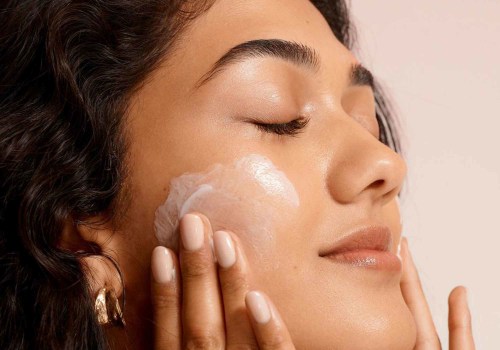
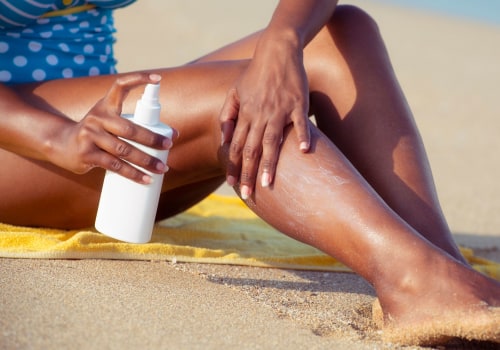
As awareness of the harmful effects of UV radiation grows, so does the demand for safer alternatives in sun protection.
SPF natural ingredients
have emerged as a popular choice among consumers seeking to shield their skin from the sun's damaging rays without the potential risks associated with chemical sunscreens. These natural formulations often utilise mineral-based components like zinc oxide and titanium dioxide, which not only provide effective sun protection but also align with a more holistic approach to skincare.The increasing popularity of natural sunscreens can be attributed to a broader trend towards clean beauty, where consumers are becoming more discerning about the ingredients in their skincare products. Many individuals are now prioritising products that are free from synthetic chemicals, parabens, and other potentially harmful substances.This shift is not just about personal health; it also reflects a growing concern for environmental sustainability. Natural SPF products are often biodegradable and less harmful to marine ecosystems, making them an appealing option for eco-conscious consumers.However, while the benefits of using natural sunscreen are compelling, it is crucial to approach these products with an informed mindset. Understanding how to effectively use SPF natural ingredients is essential for maximising their protective qualities. This includes recognising the importance of proper application techniques, reapplication intervals, and complementary sun protection measures.
By educating ourselves on both the advantages and necessary precautions associated with these products, we can enjoy the sun safely while maintaining our skin's health and integrity.
Understanding SPF Natural Ingredients
SPF natural ingredients are components derived from nature that provide protection against the sun's harmful ultraviolet (UV) rays. Unlike their chemical counterparts, which often contain synthetic compounds, these natural ingredients are typically mineral-based and are known for their effectiveness and safety profile.At the core of SPF natural ingredients are two primary minerals: zinc oxide and titanium dioxide. Both of these minerals act as physical blockers, sitting on the skin's surface and reflecting UV rays away from the skin. This mechanism of action is fundamentally different from that of chemical sunscreens, which absorb UV radiation and convert it into heat, subsequently releasing it from the body.The Types of Natural SPF Ingredients
When exploring SPF natural ingredients, it is essential to understand the various types available:- Zinc Oxide: This ingredient provides broad-spectrum protection against both UVA and UVB rays.
It is often recommended for sensitive skin due to its gentle nature.
- Titanium Dioxide: Similar to zinc oxide, titanium dioxide offers effective UV protection but is primarily effective against UVB rays. It is often used in combination with zinc oxide for enhanced protection.
- Plant-Based Oils: Some natural sunscreens incorporate oils such as raspberry seed oil or carrot seed oil, which have been shown to offer a degree of sun protection due to their antioxidant properties.
- Herbal Extracts: Ingredients like green tea extract or aloe vera can provide additional skin benefits, including soothing properties and further protection against environmental stressors.
Mineral vs Chemical Sunscreen
The distinction between mineral and chemical sunscreens is crucial for consumers seeking effective sun protection. Mineral sunscreens, containing SPF natural ingredients like zinc oxide and titanium dioxide, work by forming a physical barrier on the skin. This barrier reflects UV rays, making them suitable for all skin types, including sensitive skin.In contrast, chemical sunscreens contain organic compounds such as oxybenzone and avobenzone that absorb UV radiation.While they may be easier to apply and less visible on the skin, they can cause irritation in some individuals and have raised concerns regarding their impact on marine ecosystems.Ultimately, understanding the differences between these two types of sunscreens can empower consumers to make informed choices about their sun protection methods. By opting for SPF natural ingredients, individuals not only safeguard their skin but also contribute to a more sustainable approach to skincare.
The Benefits of Using SPF Natural Ingredients
As consumers become increasingly aware of the potential dangers associated with chemical sunscreens, the shift towards SPF natural ingredients has gained significant momentum. These natural alternatives not only provide effective sun protection but also come with a host of additional benefits that make them an appealing choice for many.One of the primary advantages of using natural sunscreens is their ability to offer broad-spectrum protection. This means they effectively shield the skin from both UVA and UVB rays.UVA rays are primarily responsible for premature skin aging and can penetrate deep into the skin, while UVB rays are the main culprits behind sunburn. By opting for products containing mineral-based ingredients like zinc oxide and titanium dioxide, users can enjoy comprehensive protection against these harmful rays.Another significant benefit is the reduced risk of skin irritation. Many chemical sunscreens contain synthetic compounds that can cause allergic reactions or irritate sensitive skin. In contrast, natural SPF ingredients are generally gentler and less likely to provoke adverse reactions.
This makes them an excellent choice for individuals with conditions such as eczema or rosacea, who may find traditional sunscreens uncomfortable or harmful.Moreover, the environmental impact of sunscreen is a growing concern. Chemical sunscreens have been linked to coral reef damage and marine life disruption due to their toxic ingredients. By choosing mineral sunscreens , consumers can make a more eco-friendly choice that aligns with their values. These products are biodegradable and do not contribute to ocean pollution, making them a responsible option for environmentally conscious individuals.Additionally, many natural sunscreens are formulated with nourishing ingredients that provide extra benefits for the skin.
Ingredients such as aloe vera, coconut oil, and shea butter not only help to moisturise but also soothe and protect the skin from sun damage. This dual action can enhance overall skin health while providing sun protection.In summary, the benefits of using SPF natural ingredients extend beyond mere sun protection. With broad-spectrum coverage, reduced irritation, environmental safety, and added skin nourishment, these products represent a holistic approach to skincare that prioritises both personal health and ecological responsibility.
Key Natural Ingredients in SPF Products
When it comes to choosing effective and safe sun protection, understanding the natural ingredients in sunscreen is crucial. Two of the most prominent natural ingredients found in SPF products are zinc oxide and titanium dioxide.Both of these minerals offer unique properties that make them highly effective for sun protection.
Zinc Oxide: A Versatile Shield
Zinc oxide is a mineral that has been used for centuries in various skincare products, particularly for its protective qualities. One of the primary benefits of zinc oxide is its ability to provide broad-spectrum protection against both UVA and UVB rays. This means it not only helps prevent sunburn but also protects against long-term skin damage, such as premature aging and skin cancer.Additionally, zinc oxide is known for its anti-inflammatory properties, making it an excellent choice for individuals with sensitive skin or conditions like rosacea and eczema. Unlike many chemical sunscreens that can cause irritation, zinc oxide is gentle and less likely to provoke allergic reactions.Moreover, zinc oxide works by sitting on top of the skin and physically blocking UV rays, rather than being absorbed into the skin.This characteristic not only enhances its effectiveness but also makes it a safer option for those concerned about the absorption of chemicals into their bodies.
Titanium Dioxide: A Gentle Protector
Titanium dioxide is another mineral commonly used in natural SPF products. Similar to zinc oxide, it provides broad-spectrum protection against UV rays. It is particularly effective at blocking UVB rays, which are primarily responsible for causing sunburn.This ingredient is also known for its gentle nature, making it suitable for all skin types, including sensitive skin. Titanium dioxide is often used in formulations designed for children and those with skin conditions due to its low risk of irritation.In addition to its protective qualities, titanium dioxide has a unique property that allows it to reflect light, which can help reduce the appearance of redness and uneven skin tone.This makes it a popular choice not only in sunscreens but also in makeup products aimed at providing sun protection while enhancing the complexion.Both zinc oxide and titanium dioxide are considered environmentally friendly options compared to their chemical counterparts. They do not contribute to coral reef damage or marine life disruption, making them a responsible choice for eco-conscious consumers.In summary, understanding the benefits and properties of zinc oxide and titanium dioxide can help consumers make informed decisions when selecting natural SPF products. These ingredients not only provide effective sun protection but also cater to sensitive skin needs while being environmentally friendly.
Precautions When Using SPF Natural Ingredients
While SPF natural ingredients are often regarded as a safer alternative to chemical sunscreens, it is crucial to follow specific precautions to maximise their effectiveness and ensure optimal skin protection. Here are some essential guidelines to consider:1.Thoroughly Check Product Labels
Not all products marketed as natural or organic are free from harmful additives.Always scrutinise the ingredient list for SPF natural ingredients like zinc oxide and titanium dioxide. Steer clear of products containing chemical filters such as oxybenzone and avobenzone, which can negate the benefits of using natural formulations.
2.Apply Generously
The effectiveness of any sunscreen, including those with natural ingredients, hinges on the quantity applied. For adequate protection, use approximately:- One teaspoon for your face
- A shot glass full for your entire body
3.Reapply Regularly
Reapplication is vital for maintaining sun protection. It is recommended to reapply every two hours, or more frequently if you are swimming or sweating.Natural SPF ingredients can break down over time, so consistent reapplication ensures that your skin remains shielded from harmful UV rays.
4.Avoid Peak Sun Hours
No sunscreen can provide complete protection against the sun's rays, especially during peak hours between 10 am and 4 pm when UV radiation is at its strongest. Whenever possible, seek shade or wear protective clothing during these times to further safeguard your skin.5.Combine with Other Protective Measures
While SPF natural ingredients offer effective sun protection, they should not be your sole line of defence. Consider incorporating additional protective measures such as:- Wearing a wide-brimmed hat
- Donning UV-protective clothing
- Utilising sunglasses with UV protection
- Seeking shade whenever possible
Common Misconceptions About Natural Sunscreens
As the popularity of natural sunscreens continues to rise, so too do the misconceptions surrounding them. Understanding these myths is crucial for consumers who wish to make informed choices about their sun protection.Here, we will debunk some of the most common misconceptions about natural sunscreens and provide clarity on the facts.
Myth 1: Natural Sunscreens Are Ineffective
One prevalent myth is that natural sunscreens, particularly those containing mineral ingredients like zinc oxide and titanium dioxide, are less effective than their chemical counterparts. In reality, mineral sunscreens provide broad-spectrum protection against both UVA and UVB rays. They work by sitting on top of the skin and physically blocking harmful rays, making them a reliable option for sun protection.
Myth 2: Mineral Sunscreens Leave a White Cast
Many people believe that all mineral sunscreens leave a noticeable white residue on the skin. While it is true that some formulations can leave a white cast, advancements in formulation technology have led to many products that blend seamlessly into various skin tones.
Additionally, tinted mineral sunscreens are available, which can help to counteract any potential whiteness.
Myth 3: You Don’t Need to Reapply Natural Sunscreen as Often
Another misconception is that natural sunscreens do not require frequent reapplication. This is false; just like any sunscreen, it is essential to reapply every two hours or after swimming or sweating. The effectiveness of the product diminishes over time, regardless of whether it contains natural or chemical ingredients.
Myth 4: Natural Sunscreens Are Only for Sensitive Skin
While it is true that many individuals with sensitive skin benefit from using natural sunscreens due to their gentler formulations, this does not mean they are exclusively for this demographic. Natural sunscreens can be suitable for all skin types and offer a safe alternative for anyone looking to avoid harsh chemicals.
Myth 5: All Natural Ingredients Are Safe
It’s important to note that not all natural ingredients are automatically safe for everyone.
Some individuals may still experience allergic reactions or sensitivities to certain natural components. Therefore, it’s crucial to conduct a patch test before fully applying any new product.By addressing these misconceptions, consumers can better navigate the world of natural sunscreens. Understanding the facts versus myths surrounding SPF can empower individuals to make choices that align with their health and environmental values.
Integrating SPF Natural Ingredients into Your Skincare Routine
Incorporating SPF natural ingredients into your daily skincare routine is essential for maintaining healthy skin while protecting it from harmful UV rays. Here’s how to effectively use natural sunscreen and layer it with other skincare products for optimal results.1.Start with a Clean Base
Before applying any products, ensure your skin is clean.
Use a gentle cleanser suitable for your skin type to remove impurities and excess oils. This step prepares your skin to absorb the subsequent products more effectively.
2.Apply a Moisturiser
After cleansing, apply a lightweight moisturiser. Look for one that contains hydrating ingredients like hyaluronic acid or glycerin. This will help maintain your skin's moisture balance and create a smooth canvas for your sunscreen.
3.Choose the Right Natural Sunscreen
Select a natural sunscreen that contains effective SPF natural ingredients, such as zinc oxide or titanium dioxide.
These ingredients provide broad-spectrum protection against both UVA and UVB rays. Ensure the product is suitable for your skin type, whether oily, dry, or sensitive.
4.Layering Technique
- Apply Sunscreen Generously: Use about a teaspoon of sunscreen for your face and a shot glass full for your body. Apply it evenly across all exposed areas, ensuring complete coverage.
- Allow Time to Absorb: After applying sunscreen, wait at least 15 minutes before heading outdoors. This allows the product to bind effectively to your skin and provide maximum protection.
- Reapply Regularly: Reapplication is crucial, especially if you are sweating or swimming.
Aim to reapply every two hours or immediately after towel drying.
5.Incorporate Other Protective Measures
While using SPF natural ingredients, consider additional sun protection methods. Wearing protective clothing, such as wide-brimmed hats and UV-blocking sunglasses, can further shield your skin from sun damage. Additionally, seek shade during peak sun hours (10 am - 4 pm) whenever possible.
6.Evening Routine
At the end of the day, ensure you remove all sunscreen thoroughly with a gentle cleanser to prevent clogged pores and breakouts. Follow up with a nourishing night cream or serum to help repair and rejuvenate your skin overnight.By integrating SPF natural ingredients into your skincare routine thoughtfully, you can enjoy the benefits of sun protection while keeping your skin healthy and radiant.
Environmental Impact of Chemical vs.
Natural SunscreensThe environmental impact of sunscreens is a growing concern, particularly as awareness increases regarding the harmful effects of certain chemical ingredients on marine ecosystems. Traditional chemical sunscreens often contain compounds such as oxybenzone and octinoxate, which have been shown to contribute to coral bleaching and disrupt marine life. These chemicals can wash off into the ocean when swimmers and beachgoers enter the water, leading to significant ecological damage.Research indicates that even small concentrations of these chemicals can be toxic to coral reefs, which are vital to marine biodiversity. Coral reefs provide habitat for numerous species and are essential for maintaining healthy ocean ecosystems.
The loss of these reefs not only affects marine life but also impacts coastal communities that rely on them for tourism and fishing.In contrast, natural sunscreens that utilise mineral-based ingredients like zinc oxide and titanium dioxide are generally considered safer for the environment. These minerals act as physical blockers, reflecting UV rays rather than absorbing them, which means they do not leach harmful chemicals into the water. Furthermore, they are less likely to cause adverse reactions in marine organisms.Choosing eco-friendly sun protection options is crucial for those who wish to enjoy the sun while minimising their environmental footprint. Here are some tips for selecting environmentally friendly sunscreens:
- Look for reef-safe labels: Many brands now offer products specifically labelled as reef-safe, indicating they do not contain harmful chemicals.
- Opt for mineral-based formulations: Sunscreens with zinc oxide or titanium dioxide are less likely to harm marine life.
- Consider biodegradable packaging: Eco-conscious brands often use sustainable packaging materials that reduce plastic waste.
- Support brands with ethical practices: Research companies that prioritise environmental sustainability in their production processes.
The shift towards using SPF natural ingredients not only benefits personal health but also plays a significant role in preserving our precious marine ecosystems for future generations.
Frequently Asked Questions About SPF Natural Ingredients
As the popularity of SPF natural ingredients continues to rise, many consumers have questions regarding their effectiveness, safety, and application. Below are some of the most frequently asked questions about natural sunscreens and their ingredients.What are SPF natural ingredients?
SPF natural ingredients primarily refer to mineral-based compounds such as zinc oxide and titanium dioxide. These ingredients work by sitting on the skin's surface and physically blocking harmful UV rays, rather than being absorbed into the skin like chemical sunscreens.Are mineral sunscreens safe for sensitive skin?
Yes, mineral sunscreens are often recommended for individuals with sensitive skin or conditions like eczema. They are less likely to cause irritation compared to chemical alternatives, making them a gentler option for those prone to allergic reactions.How do I know if a sunscreen is truly natural?
To ensure that a sunscreen is genuinely natural, always check the ingredient list.Look for products that prominently feature zinc oxide or titanium dioxide as active ingredients and avoid those containing synthetic chemicals like oxybenzone or avobenzone. Certifications from reputable organic or natural product organisations can also provide assurance.
Do I need to reapply mineral sunscreen?
Absolutely! Just like any other sunscreen, it is crucial to reapply mineral sunscreen every two hours, especially after swimming or sweating. This ensures that your skin remains adequately protected throughout the day.Can I use SPF natural ingredients on children?
Many experts recommend using mineral sunscreens on children due to their gentle nature. However, it is always best to consult with a paediatrician before applying any new product on young skin.What is the difference between SPF ratings in natural sunscreens?
The SPF rating indicates the level of protection against UVB rays.A higher SPF number means more protection; however, it is essential to apply the correct amount of product to achieve the stated SPF level. For effective sun protection, use about a teaspoon for your face and a shot glass full for your body.
Are there any environmental concerns with mineral sunscreens?
While mineral sunscreens are generally considered more eco-friendly than chemical options, it is still important to choose brands that are committed to sustainable practices. Some formulations may still contain microplastics or other harmful additives that can impact marine life.If you have further questions about SPF natural ingredients, consider consulting with a dermatologist or skincare professional who can provide tailored advice based on your individual needs.Conclusion: Embracing the Benefits of SPF Natural Ingredients Safely
In conclusion, the shift towards SPF natural ingredients in sun protection products reflects a growing awareness of both personal health and environmental sustainability. As we have explored, these natural alternatives, such as zinc oxide and titanium dioxide, offer significant advantages over traditional chemical sunscreens.They provide broad-spectrum protection against harmful UVA and UVB rays while being less likely to irritate sensitive skin or trigger allergic reactions.Moreover, the eco-friendly nature of these ingredients cannot be overstated. By opting for products that utilise natural SPF ingredients, consumers contribute to the preservation of marine ecosystems and help mitigate the adverse effects associated with chemical sunscreens, which have been linked to coral reef damage.However, it is crucial to approach the use of these products with informed caution. The importance of reading labels cannot be emphasised enough; not all products marketed as natural are free from harmful additives. Consumers should actively seek out formulations that contain only genuine SPF natural ingredients and avoid those with known harmful chemicals.Additionally, adhering to proper application techniques is vital for ensuring effective sun protection.
Regular reapplication, using sufficient quantities of product, and combining sunscreen use with other protective measures—such as wearing hats and seeking shade—are essential practices that enhance overall skin safety.Ultimately, embracing the benefits of SPF natural ingredients involves a balanced approach that prioritises both skin health and environmental responsibility. By being mindful of the precautions necessary for their effective use, individuals can enjoy the sun safely while supporting a more sustainable future.