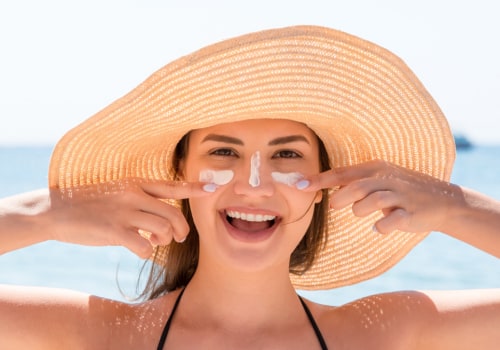
As we embrace the warmth of sunny days, it is essential to recognise the critical role that sun protection plays in maintaining our skin's health. The sun emits two primary types of ultraviolet (UV) rays: UVA and UVB. While UVA rays penetrate deeply into the skin, contributing to premature ageing and increasing the risk of skin cancer, UVB rays are primarily responsible for causing sunburn. Both types of rays can lead to significant skin damage, making it imperative to adopt protective measures whenever we step outside.Understanding the importance of sun protection goes beyond merely avoiding sunburn; it encompasses safeguarding our skin from long-term damage that can manifest as wrinkles, pigmentation, and even more severe conditions like melanoma.
The cumulative effects of UV exposure can be detrimental, often going unnoticed until significant harm has occurred. Therefore, integrating effective sun protection into our daily routines is not just a seasonal concern but a year-round necessity.Fortunately, there are numerous ways to protect our skin from harmful UV rays, and many individuals are turning towards natural solutions. Natural sun protection methods not only offer a safer alternative to chemical-laden sunscreens but also provide additional benefits for the skin. By harnessing the power of SPF natural ingredients, we can create a barrier against the sun while nourishing our skin at the same time.
This article will delve into various natural ingredients that can effectively shield our skin from the sun's harmful effects, ensuring we enjoy the outdoors without compromising our health.
The Role of SPF and Natural Ingredients
Understanding SPF , or Sun Protection Factor, is essential for anyone looking to safeguard their skin from the sun's harmful rays. SPF is a measure of how well a sunscreen can protect the skin from UVB rays, which are primarily responsible for sunburn and can contribute to skin cancer. The number associated with SPF indicates the level of protection; for instance, an SPF of 30 means that theoretically, it would take 30 times longer for your skin to burn than if you were not wearing any sunscreen at all.However, it’s important to note that SPF does not account for UVA rays, which penetrate deeper into the skin and can lead to premature aging and other skin issues. This is where the choice of ingredients in sunscreens becomes crucial.Many traditional sunscreens rely on chemical filters that absorb UV radiation, but these can sometimes cause irritation or allergic reactions in sensitive individuals.In contrast, natural ingredients offer a gentler alternative. Ingredients such as zinc oxide and titanium dioxide act as physical blockers, sitting on the skin's surface and reflecting UV rays away. This not only provides effective protection but also reduces the risk of irritation associated with chemical sunscreens.The benefits of using natural SPF ingredients extend beyond mere sun protection. Many natural components are rich in antioxidants and have anti-inflammatory properties, which can help soothe the skin while providing additional health benefits.
For example:
- Aloe Vera: Known for its soothing properties, aloe vera can help calm sunburned skin while offering some level of UV protection.
- Green Tea: Packed with antioxidants, green tea extract can combat free radicals generated by UV exposure, thus helping to prevent premature aging.
- Coconut Oil: Not only does it provide a degree of sun protection, but it also hydrates and nourishes the skin.
Zinc Oxide: A Natural Shield Against UV Rays
Zinc oxide is a mineral that has gained significant recognition in the realm of sun protection, primarily due to its remarkable ability to shield the skin from harmful UV rays.This natural ingredient serves as a physical sunscreen, offering broad-spectrum protection against both UVA and UVB radiation. Understanding how zinc oxide works and its myriad benefits can help you make informed choices about your sun care routine.
How Zinc Oxide Works
Unlike chemical sunscreens that absorb UV radiation, zinc oxide functions by forming a protective barrier on the skin's surface. When applied, it reflects and scatters UV rays, preventing them from penetrating the skin. This mechanism not only provides immediate protection upon application but also ensures that the skin remains safeguarded throughout the day.
Furthermore, zinc oxide is stable under sunlight, meaning it does not degrade or lose effectiveness when exposed to UV light.
Benefits of Zinc Oxide for Various Skin Types
One of the standout features of zinc oxide is its suitability for all skin types, including sensitive and acne-prone skin. Here are some key benefits:
- Non-comedogenic: Zinc oxide does not clog pores, making it an excellent choice for individuals with oily or acne-prone skin.
- Anti-inflammatory Properties: Its natural anti-inflammatory effects can help soothe irritated skin and reduce redness, making it ideal for those with conditions like rosacea or eczema.
- Gentle on Sensitive Skin: Unlike many chemical sunscreens that can cause irritation or allergic reactions, zinc oxide is gentle and well-tolerated by even the most sensitive skin types.
- Healing Properties: Zinc oxide has been used in various medicinal applications due to its ability to promote healing and repair damaged skin.
Recommendations for Usage in Sunscreens
When selecting a sunscreen containing zinc oxide, look for products with at least 20% concentration for optimal protection. Additionally, consider formulations that combine zinc oxide with other natural ingredients like aloe vera or green tea for enhanced benefits. For daily use, a lightweight lotion or gel may be preferable, while thicker creams can be beneficial for prolonged outdoor activities.In conclusion, incorporating zinc oxide into your sun protection regimen not only provides effective shielding against harmful UV rays but also offers additional benefits for your skin's health.
Whether you have sensitive skin or are simply looking for a reliable natural sunscreen option, zinc oxide stands out as a powerful ally in your quest for safe sun exposure.
Titanium Dioxide: Versatile Sun Protection
Titanium dioxide is a mineral that has gained significant attention in the realm of natural sunscreens due to its remarkable ability to provide effective sun protection. As a physical sunscreen agent, titanium dioxide works by creating a barrier on the skin that reflects and scatters harmful UV rays, thereby preventing them from penetrating the skin. This mechanism is particularly beneficial for those seeking a natural alternative to chemical sunscreens, which can sometimes irritate sensitive skin.One of the primary benefits of titanium dioxide is its broad-spectrum protection against both UVA and UVB rays. UVA rays are known for causing long-term skin damage and premature aging, while UVB rays are primarily responsible for sunburn.By effectively blocking both types of radiation, titanium dioxide helps reduce the risk of skin cancer and other sun-related issues.Titanium dioxide is available in various forms, including creams and powders, making it a versatile option for different skin types and preferences. Cream formulations are often easier to apply and blend into the skin, while powder sunscreens can be convenient for touch-ups throughout the day. When choosing a product, it’s essential to consider your skin type and lifestyle to find the most suitable option.However, one common concern with titanium dioxide is its tendency to leave a white cast on the skin, particularly in higher concentrations. To mitigate this issue, here are some tips for application:
- Choose tinted formulations: Many brands offer tinted versions of titanium dioxide sunscreen that can help blend seamlessly with various skin tones.
- Apply evenly: Ensure that you apply an even layer of sunscreen to avoid patchiness and enhance absorption.
- Use a makeup brush: For powder sunscreens, using a makeup brush can help distribute the product more evenly and reduce the appearance of any white residue.
- Layer with moisturiser: Applying a moisturiser before your sunscreen can create a smoother base, helping the sunscreen blend better into your skin.
Its ability to provide broad-spectrum protection while being gentle on the skin makes it an excellent choice for those looking to safeguard their skin from harmful UV rays without resorting to harsh chemicals. By understanding how titanium dioxide works and following application tips, you can enjoy sun protection that is both effective and kind to your skin.
Aloe Vera: Soothing and Protective Properties
Aloe vera is often hailed as a miracle plant, renowned for its myriad of health and skincare benefits. When it comes to sun protection, aloe vera stands out not only for its soothing properties but also for its ability to provide a degree of natural SPF. This dual role makes it an essential ingredient in many natural sunscreens and after-sun products.Aloe Vera SPF Benefits
Aloe vera contains compounds such as aloin and other polysaccharides that can absorb UV radiation, offering a level of protection against the sun's harmful rays.
While it may not replace traditional sunscreens with high SPF ratings, it can serve as a supplementary layer of defence. The presence of these natural compounds helps to shield the skin from potential damage caused by UV exposure, making aloe vera a valuable addition to your sun care routine.
Healing Properties for Sunburn
One of the most celebrated uses of aloe vera is its effectiveness in treating sunburn. When the skin is exposed to excessive sunlight, it can become red, inflamed, and painful. Aloe vera gel is known for its cooling effect, which provides immediate relief from the discomfort associated with sunburn.
Its anti-inflammatory properties help to reduce swelling and redness, promoting faster healing.To use aloe vera for sunburn relief, apply a generous amount of pure aloe vera gel directly onto the affected area. This not only soothes the skin but also hydrates it, preventing further peeling and dryness that often follows sunburn.
How Aloe Vera Protects Skin
Beyond its immediate soothing effects, aloe vera is rich in antioxidants such as vitamins C and E, which play a crucial role in protecting the skin from oxidative stress caused by UV rays. These antioxidants help neutralise free radicals that can lead to premature ageing and skin damage. Regular application of aloe vera can enhance your skin's resilience against environmental aggressors while promoting overall skin health.Moreover, aloe vera's hydrating properties ensure that the skin remains moisturised, which is vital after sun exposure.
Well-hydrated skin is less likely to suffer from irritation and damage, making aloe vera an excellent choice for post-sun care.In summary, incorporating aloe vera into your skincare regimen offers both protective and healing benefits against sun damage. Whether used as a natural SPF ingredient or as a soothing treatment for sunburns, aloe vera proves to be an invaluable ally in maintaining healthy skin under the sun.
Green Tea: Antioxidant Power for Skin Health
Green tea, a staple in many cultures for its health benefits, has gained recognition in the skincare industry for its remarkable properties, particularly in sun protection. Rich in antioxidants, green tea offers a multifaceted approach to maintaining skin health and combating the adverse effects of sun exposure.Antioxidant Properties
The primary antioxidants found in green tea are catechins, particularly epigallocatechin gallate (EGCG). These powerful compounds help neutralise free radicals generated by UV radiation, which can lead to oxidative stress and skin damage.
By incorporating green tea into your skincare routine, you can bolster your skin's defence against environmental aggressors.
Reducing Inflammation
One of the most significant benefits of green tea is its ability to reduce inflammation. Sun exposure can cause redness, swelling, and irritation, which are common signs of sunburn. The anti-inflammatory properties of green tea can help soothe these symptoms, providing relief and promoting faster healing. Regular use of products containing green tea extract may help mitigate the inflammatory response triggered by UV rays.
Anti-Aging Effects
In addition to its protective qualities, green tea also plays a role in anti-aging.
The antioxidants present in green tea not only combat free radicals but also promote collagen synthesis. Collagen is essential for maintaining skin elasticity and firmness. By supporting collagen production, green tea can help reduce the appearance of fine lines and wrinkles, making it an excellent addition to any anti-aging skincare regimen.
Incorporating Green Tea into Your Skincare Routine
When looking for sunscreens or skincare products that harness the benefits of green tea, consider those that list green tea extract among their primary ingredients. Many brands now offer formulations that combine traditional sun protection with the added advantages of green tea.
Additionally, you can create your own DIY treatments by infusing your favourite oils or creams with brewed green tea.In conclusion, the incorporation of green tea into your skincare routine not only provides effective sun protection but also enhances overall skin health through its antioxidant properties, anti-inflammatory effects, and anti-aging benefits. As you seek natural ways to protect your skin from the sun, consider embracing this powerful ingredient for a healthier complexion.
Coconut Oil: Moisturising and Protective Qualities
Coconut oil has gained significant popularity in recent years, not only as a culinary ingredient but also as a versatile skincare product. Its unique composition makes it an excellent choice for those seeking natural sun protection. While it may not provide the same level of UV defence as traditional sunscreens, coconut oil does offer several benefits that can enhance your skin's resilience against sun damage.Moisturising Properties
One of the standout features of coconut oil is its remarkable moisturising ability.
Rich in medium-chain fatty acids, particularly lauric acid, coconut oil penetrates the skin easily, providing deep hydration. This is crucial when spending time in the sun, as UV exposure can lead to dryness and irritation. By keeping the skin well-hydrated, coconut oil helps maintain its elasticity and overall health, reducing the risk of peeling and flaking after sun exposure.
Soothing Sunburn
In addition to its moisturising properties, coconut oil is renowned for its soothing effects on sunburned skin. The anti-inflammatory properties of coconut oil can help alleviate redness and discomfort associated with sunburn.
Applying coconut oil to sunburned areas can provide a cooling sensation and promote healing, making it an ideal natural remedy for post-sun exposure care.
How Coconut Oil Works Against UV Rays
Coconut oil contains a natural SPF of approximately 4 to 5, which means it offers some level of protection against UV rays. While this is not sufficient for prolonged sun exposure, it can serve as a supplementary layer of defence when combined with other protective measures. The fatty acids in coconut oil help form a barrier on the skin's surface, which can reflect some UV radiation and reduce the risk of damage.
Using Coconut Oil Safely
For those considering coconut oil as part of their sun protection routine, it's essential to remember that it should not replace traditional sunscreen entirely. Instead, it can be used in conjunction with other natural ingredients or chemical sunscreens for enhanced protection.
Additionally, individuals with oily or acne-prone skin should use coconut oil cautiously, as it may clog pores for some skin types.In conclusion, while coconut oil may not be a complete solution for sun protection, its moisturising and soothing qualities make it a valuable addition to your skincare regimen. Whether used alone or as part of a broader sun protection strategy, incorporating coconut oil can help keep your skin healthy and hydrated during sunny days.
Combining Natural Ingredients for Enhanced Protection
Creating your own natural sunscreen can be a rewarding and effective way to protect your skin from harmful UV rays while ensuring that you know exactly what ingredients are being applied. By combining various natural SPF ingredients, you can enhance the protective qualities of your homemade sunscreen. Here are some tips and simple recipes to help you get started.Understanding the Benefits of Combining Ingredients
When formulating a natural sunscreen, it’s essential to consider how different ingredients work together.For instance, combining zinc oxide with coconut oil not only provides a physical barrier against UV rays but also offers moisturising benefits. Similarly, adding aloe vera can enhance the soothing properties of your sunscreen, making it ideal for sensitive skin.
Simple DIY Natural Sunscreen Recipe
Here’s a straightforward recipe to create your own natural sunscreen:- Ingredients:
- 1/2 cup coconut oil
- 1/4 cup shea butter
- 1/4 cup beeswax pellets
- 2 tablespoons zinc oxide (non-nano)
- 10-15 drops of essential oils (like lavender or tea tree for added benefits)
- Instructions:
- Melt the coconut oil, shea butter, and beeswax together in a double boiler.
- Once melted, remove from heat and allow to cool slightly before stirring in the zinc oxide and essential oils.
- Pour the mixture into a clean container and let it set until solid.
Combining Natural Ingredients for Enhanced Protection
You can also experiment with other natural ingredients to boost your sunscreen’s effectiveness:- Aloe Vera: Known for its soothing properties, aloe vera can help calm sunburned skin while providing additional moisture.
- Green Tea Extract: Rich in antioxidants, green tea can help combat free radical damage caused by UV exposure.
- Carrot Seed Oil: This oil is reputed for its natural SPF properties and can enhance the overall protection of your sunscreen.
Choosing the Right Natural Sunscreen Products
When it comes to selecting the right natural sunscreen products, especially in the UK, there are several key factors to consider to ensure you are making an informed choice.With a plethora of options available, understanding what to look for can help you find a product that not only protects your skin but also aligns with your values regarding natural ingredients.
1.Ingredient Lists
The first step in choosing a natural sunscreen is to carefully examine the ingredient list. Look for products that contain natural minerals such as zinc oxide and titanium dioxide, which provide effective broad-spectrum protection against UVA and UVB rays. Avoid sunscreens with synthetic chemicals like oxybenzone or octinoxate, as these can be harmful to both your skin and the environment.
2.SPF Ratings
SPF ratings are crucial in determining the level of protection a sunscreen offers. For adequate protection, choose a natural sunscreen with an SPF of at least 30.
This rating indicates that the product blocks approximately 97% of UVB rays. However, remember that no sunscreen can provide 100% protection, so it’s essential to reapply every two hours, especially after swimming or sweating.
3.Skin Type Compatibility
Your skin type plays a significant role in selecting the right sunscreen. If you have oily or acne-prone skin, look for non-comedogenic formulas that won’t clog your pores. For dry skin types, opt for sunscreens that include hydrating ingredients like aloe vera or coconut oil to provide additional moisture while protecting against sun damage.
4.Water Resistance
If you plan on swimming or engaging in outdoor activities that may cause sweating, consider a water-resistant natural sunscreen.
These products are designed to maintain their SPF protection for a specified duration while in water or during perspiration, typically up to 40 or 80 minutes.
5.Brand Reputation and Certifications
Researching brands can also guide your decision-making process. Look for companies that prioritise sustainability and ethical sourcing of ingredients. Certifications such as cruelty-free, organic, or eco-friendly can provide additional assurance about the quality and integrity of the product.In summary, choosing the right natural sunscreen involves careful consideration of ingredient lists, SPF ratings, compatibility with your skin type, water resistance, and brand reputation. By taking these factors into account, you can confidently select a product that not only protects your skin from harmful UV rays but also aligns with your commitment to using natural ingredients.
<strong>Conclusion</strong>: Embracing Natural Sun Protection for Healthier Skin
In conclusion, the journey towards effective sun protection can be significantly enhanced by embracing natural ingredients.Throughout this article, we have explored various SPF natural ingredients that not only shield our skin from harmful UV rays but also offer additional health benefits. By opting for natural alternatives, we can protect our skin while minimising exposure to potentially harmful chemicals found in many conventional sunscreens.The key takeaways from our discussion include:
- Zinc oxide and titanium dioxide serve as powerful physical blockers against both UVA and UVB rays, making them essential components of any natural sunscreen formulation.
- Aloe vera not only provides a soothing effect on sunburned skin but also contains compounds that absorb UV radiation, enhancing its protective qualities.
- Green tea is rich in antioxidants that combat free radical damage, offering both sun protection and anti-aging benefits.
- Coconut oil acts as a moisturiser while providing a degree of SPF protection, making it an excellent choice for those with dry skin.
Look for products that highlight their natural ingredients and avoid those laden with synthetic chemicals. Your skin deserves the best care possible, and by choosing natural SPF solutions, you are taking a significant step towards healthier skin.Ultimately, the path to effective sun protection lies in understanding the ingredients we apply to our skin. By prioritising natural sun protection, we can safeguard our skin against the sun's harmful effects while promoting overall well-being. Embrace these natural alternatives and enjoy the sunshine responsibly!.