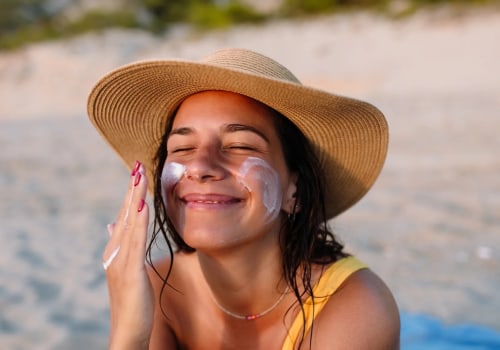
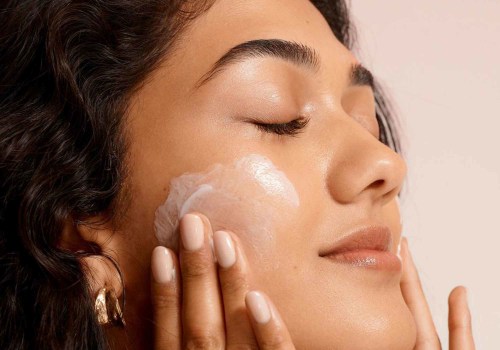
Sensitive skin is a common concern for many individuals, characterised by heightened reactions to various environmental factors, skincare products, and even dietary choices. Those with sensitive skin often experience symptoms such as redness, itching, burning sensations, and dryness. This condition can be exacerbated by external aggressors like pollution, harsh weather conditions, and, notably, UV radiation from the sun. Understanding the unique needs of sensitive skin is crucial for maintaining its health and comfort.One of the most significant aspects of caring for sensitive skin is the importance of sun protection.
UV rays can penetrate the skin and cause damage even on overcast days, leading to premature ageing, sunburn, and an increased risk of skin cancer. For individuals with sensitive skin, the consequences of sun exposure can be particularly severe, triggering flare-ups or exacerbating existing conditions such as eczema or rosacea. Therefore, incorporating a reliable SPF into your daily skincare routine is not just beneficial; it is essential.When selecting a sunscreen for sensitive skin, it is vital to consider the ingredients used. Many conventional sunscreens contain chemical filters that may irritate delicate skin types.
Instead, opting for natural SPF ingredients can provide effective protection while minimising the risk of adverse reactions. By understanding the specific needs of sensitive skin and the critical role that sun protection plays, individuals can make informed choices that promote both safety and skin health.
The Dangers of Traditional Sunscreens for Sensitive Skin
For individuals with sensitive skin, the quest for effective sun protection can often lead to frustration, particularly when it comes to traditional sunscreens. Many of these products contain a range of ingredients that, while designed to shield the skin from harmful UV rays, can inadvertently cause irritation and exacerbate existing skin conditions.One of the primary culprits in traditional sunscreens is the use of chemical filters. Ingredients such as oxybenzone, avobenzone, and octinoxate are commonly found in these formulations.These chemical compounds work by absorbing UV radiation and converting it into heat, which is then released from the skin. While this method can be effective in preventing sunburn, it can also lead to adverse reactions in sensitive skin types.Many users report experiencing symptoms such as:
- Redness : A common reaction that indicates irritation.
- Itching : This can range from mild discomfort to severe itching that disrupts daily activities.
- Burning sensations : Some individuals may feel a stinging or burning sensation upon application.
- Rashes : In more severe cases, chemical filters can trigger allergic reactions, resulting in rashes or hives.
Even products labelled as "unscented" may contain masking fragrances that can still provoke a reaction.Moreover, preservatives such as parabens and phenoxyethanol are frequently used to prevent microbial growth in cosmetic products. However, these substances can also lead to skin irritation and disrupt the skin's natural barrier function. For individuals with conditions like eczema or rosacea, exposure to these ingredients can worsen symptoms and lead to flare-ups.The combination of harsh chemical filters and irritating additives highlights the urgent need for safer alternatives. As awareness grows about the potential dangers of traditional sunscreens, many consumers are seeking out products formulated with natural ingredients that provide effective sun protection without compromising skin health.
What Are SPF Natural Ingredients?
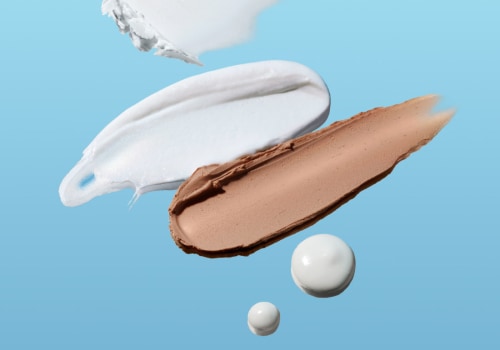
When discussing SPF natural ingredients, it is essential to understand what qualifies as natural in the realm of sun protection.Natural SPF ingredients primarily consist of physical UV filters, which are derived from naturally occurring minerals. The most common examples include zinc oxide and titanium dioxide. These ingredients work by sitting on the skin's surface and reflecting or scattering harmful UV rays, rather than absorbing them like their chemical counterparts.In contrast, chemical sunscreens contain synthetic compounds that absorb UV radiation and convert it into heat, which is then released from the skin. While effective, these chemical filters can lead to irritation, especially for those with sensitive skin.
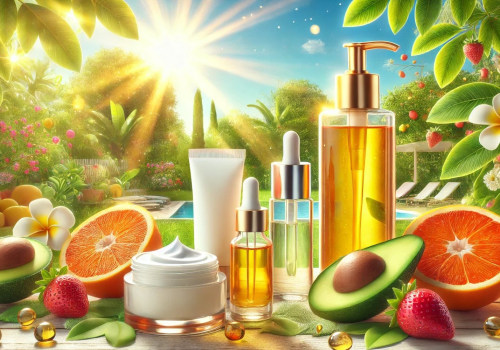
This distinction is crucial for individuals seeking gentle yet effective sun protection.The benefits of using natural SPF ingredients extend beyond just their physical properties. For sensitive skin types, these natural options are less likely to cause adverse reactions. Many natural ingredients also possess additional skin-soothing properties. For instance, zinc oxide not only provides sun protection but also has anti-inflammatory effects that can help calm irritated skin.Moreover, natural sunscreens often include nourishing components such as aloe vera , shea butter , and coconut oil.
These ingredients not only hydrate the skin but also enhance its barrier function, making it more resilient against environmental stressors. This is particularly beneficial for those who experience conditions like eczema or rosacea, where maintaining skin hydration is vital.Another significant advantage of natural SPF ingredients is their non-comedogenic nature. Unlike many chemical sunscreens that can clog pores and exacerbate acne, natural formulations are typically designed to be lightweight and breathable. This makes them suitable for all skin types, including those prone to breakouts.In summary, SPF natural ingredients offer a safer alternative for sun protection, especially for individuals with sensitive skin.
By opting for products that feature physical UV filters and additional nourishing components, users can enjoy effective sun defence without compromising their skin's health.
Key Natural Ingredients for Effective Sun Protection
When it comes to selecting the right natural ingredients for effective sun protection, several key components stand out for their efficacy and gentleness on sensitive skin. Below, we explore these essential ingredients that not only shield the skin from harmful UV rays but also nourish and soothe.- Zinc Oxide : This mineral is a powerhouse in the realm of natural sun protection. Zinc oxide acts as a physical barrier, reflecting and scattering UV radiation away from the skin. It is particularly beneficial for sensitive skin as it is non-irritating and provides broad-spectrum protection against both UVA and UVB rays.
Additionally, zinc oxide has anti-inflammatory properties that can help calm redness and irritation, making it an ideal choice for those prone to skin sensitivities.
- Titanium Dioxide : Another effective physical sunscreen agent, titanium dioxide works similarly to zinc oxide by creating a protective layer on the skin's surface. It is known for its ability to block UV rays while being gentle enough for sensitive skin types. Like zinc oxide, titanium dioxide is non-comedogenic, meaning it won’t clog pores or exacerbate acne, making it suitable for individuals with acne-prone skin.
- Aloe Vera : Renowned for its soothing properties, aloe vera is a fantastic addition to any natural sunscreen formulation. It hydrates the skin while providing a cooling effect that can alleviate sunburn and irritation.
Aloe vera is rich in vitamins and antioxidants, which help protect the skin from environmental stressors and promote healing after sun exposure.
- Shea Butter : This luxurious natural ingredient is not only an excellent moisturiser but also offers some degree of sun protection. Shea butter contains fatty acids and vitamins A and E, which nourish the skin while providing a barrier against UV rays. Its anti-inflammatory properties make it particularly beneficial for sensitive skin, helping to reduce redness and irritation caused by sun exposure.
- Coconut Oil : While coconut oil should not be relied upon as the sole source of sun protection, it does offer some SPF benefits along with its moisturising properties. Rich in fatty acids, coconut oil helps to hydrate the skin and maintain its barrier function.
Its antimicrobial properties can also aid in preventing infections that may arise from sun-damaged skin.
How to Choose the Right Natural Sunscreen for Sensitive Skin
Choosing the right natural sunscreen for sensitive skin can be a challenging task, especially with the myriad of options available on the market. To ensure you select a product that not only protects your skin from harmful UV rays but also caters to its delicate nature, it’s essential to pay close attention to product labels and ingredient lists.1.Look for Physical UV Filters
- When selecting a natural sunscreen, opt for those containing physical UV filters such as zinc oxide or titanium dioxide. These ingredients work by sitting on the skin's surface and reflecting UV rays, making them less likely to cause irritation compared to chemical filters.
- A sunscreen with at least 15% zinc oxide or 5% titanium dioxide is recommended for effective broad-spectrum protection.
2.Check for Hypoallergenic Labels
- For those with sensitive skin, choosing products labeled as hypoallergenic can significantly reduce the risk of adverse reactions.
These formulations are designed to minimise allergens and irritants.
- However, it’s still crucial to read the ingredient list carefully, as some hypoallergenic products may still contain potential irritants.
3.Avoid Fragrances and Harsh Additives
- Avoid sunscreens that contain synthetic fragrances, parabens, and other harsh additives. These ingredients can exacerbate sensitivity and lead to breakouts or rashes.
- Instead, look for products that are labeled as fragrance-free, which indicates that no additional scents have been added that could irritate your skin.
4.Consider Additional Soothing Ingredients
- Sunscreens enriched with natural soothing ingredients such as aloe vera, shea butter, or coconut oil can provide extra hydration and comfort to sensitive skin. These components not only moisturise but also possess anti-inflammatory properties that help calm irritation.
- Look for formulations that combine sun protection with skincare benefits to enhance your overall skin health.
5.Test Before Full Application
- If you’re trying a new sunscreen, it’s wise to conduct a patch test on a small area of your skin before applying it all over. This will help you gauge how your skin reacts to the product without risking widespread irritation.
- If any redness or discomfort occurs, discontinue use immediately.
The Importance of Proper Application Techniques
Applying sunscreen correctly is crucial for achieving optimal protection against harmful UV rays, especially for those with sensitive skin.Many people underestimate the importance of proper application techniques, which can significantly impact the effectiveness of the product. Here are some essential tips to ensure you are applying sunscreen correctly.
1.Choose the Right Amount
- For adequate coverage, use about two fingers' worth of sunscreen for your face and neck. For the body, a full shot glass (approximately 30ml) is recommended.
- Don’t forget areas often overlooked, such as the ears, back of the neck, and tops of the feet.
2.Timing is Key
- Apply sunscreen at least 15 to 30 minutes before sun exposure. This allows the product to absorb into the skin and form a protective barrier.
- If you’re using makeup, consider applying a sunscreen primer or a tinted moisturiser with SPF to ensure even coverage.
3.Use Gentle Techniques
- When applying sunscreen on sensitive skin, use gentle, circular motions to avoid irritation.
Patting rather than rubbing can also help.
- Ensure even distribution by applying in sections, starting from one area and moving systematically across your body.
4.Reapplication is Essential
- Sunscreen should be reapplied every two hours, or more frequently if you are swimming or sweating. Water-resistant formulas can provide longer-lasting protection but still require reapplication.
- If you’re wearing makeup, consider using a mineral powder sunscreen or a setting spray with SPF for easy reapplication throughout the day.
5.Don’t Rely Solely on Sunscreen
- Sunscreen should be part of a comprehensive sun protection strategy. Wear protective clothing, seek shade during peak sun hours (10 AM to 4 PM), and use sunglasses to shield your eyes.
- Remember that UV rays can penetrate clouds and windows, so daily application is necessary even on overcast days.
Common Myths About Natural Sunscreens Debunked
When it comes to natural sunscreens, several myths and misconceptions can cloud the understanding of their effectiveness and safety.Addressing these myths is crucial for making informed choices about sun protection, especially for those with sensitive skin.
Myth 1: Natural Sunscreens Are Less Effective
One of the most prevalent myths is that natural sunscreens are not as effective as their chemical counterparts. This misconception often stems from a lack of understanding of how natural ingredients work. In reality, many natural sunscreens contain physical UV filters like zinc oxide and titanium dioxide, which provide broad-spectrum protection by reflecting and scattering UV rays. Studies have shown that these ingredients can be just as effective as chemical filters when used correctly.Myth 2: Natural Ingredients Don’t Provide Long-Lasting Protection
Another common belief is that natural ingredients do not offer long-lasting sun protection.However, the effectiveness of any sunscreen, whether natural or chemical, largely depends on proper application and reapplication. Natural sunscreens can provide lasting protection if applied generously and reapplied every two hours, especially after swimming or sweating.
Myth 3: All Natural Sunscreens Are Greasy and Heavy
Many people assume that all natural sunscreens have a greasy texture, which can be off-putting. While some formulations may feel heavier due to the oils used, there are numerous lightweight options available that absorb quickly into the skin without leaving a greasy residue. Look for products labelled as non-comedogenic to ensure they won’t clog pores.Myth 4: Natural Sunscreens Are Only for Fair Skin
This myth suggests that only individuals with fair skin need to use sunscreen, while those with darker skin tones do not require it.In truth, everyone, regardless of skin tone, is susceptible to UV damage. Natural sunscreens are suitable for all skin types and tones, providing essential protection against harmful rays.
Myth 5: You Don’t Need Sunscreen on Cloudy Days
A common misconception is that sunscreen is unnecessary on overcast days. However, up to 80% of UV rays can penetrate clouds, making it vital to apply sunscreen daily, regardless of the weather. This is particularly important for those with sensitive skin who may be more prone to irritation from UV exposure.By debunking these myths surrounding natural sunscreens, consumers can make better-informed decisions about their sun protection strategies.Understanding the effectiveness of natural ingredients helps in choosing products that not only protect but also nourish sensitive skin.
Additional Tips for Protecting Sensitive Skin from the Sun
While using a suitable sunscreen is essential for protecting sensitive skin from sun damage, there are several additional strategies and lifestyle changes that can enhance your overall sun protection. Here are some effective tips to consider:- Wear Protective Clothing: Opt for lightweight, long-sleeved shirts and long trousers made from breathable fabrics. Look for clothing with a high Ultraviolet Protection Factor (UPF) rating, which indicates its effectiveness in blocking UV rays.
- Seek Shade: Whenever possible, stay in shaded areas, especially during peak sun hours between 10 a.m. and 4 p.m.
This simple change can significantly reduce your exposure to harmful UV radiation.
- Use Accessories: Incorporate wide-brimmed hats and UV-blocking sunglasses into your outdoor attire. A hat can shield your face, neck, and ears from direct sunlight, while sunglasses protect your eyes and the delicate skin around them.
- Stay Hydrated: Keeping your skin hydrated from the inside out is crucial. Drink plenty of water throughout the day to maintain skin elasticity and overall health. Dehydrated skin can be more susceptible to irritation and damage.
- Adjust Your Skincare Routine: Consider incorporating soothing ingredients such as chamomile or calendula into your skincare routine.
These natural extracts have anti-inflammatory properties that can help calm sensitive skin after sun exposure.
- Avoid Tanning Beds: Tanning beds emit harmful UV rays that can exacerbate sensitivity and increase the risk of skin damage. Opt for safer alternatives like self-tanning products if you desire a bronzed look.
- Monitor Medication Side Effects: Some medications can increase photosensitivity, making your skin more vulnerable to sunburn. Consult with your healthcare provider about any medications you are taking and their potential effects on sun sensitivity.
Conclusion: Embracing Natural SPF Ingredients for Healthier Skin
In conclusion, the journey towards achieving healthy and radiant skin, particularly for those with sensitive skin, is significantly enhanced by embracing natural SPF ingredients.Throughout this article, we have explored the myriad benefits of opting for natural sunscreens over traditional chemical-laden products. The importance of protecting our skin from harmful UV rays cannot be overstated, and choosing the right products is crucial for maintaining skin health.We have highlighted how physical UV filters , such as zinc oxide and titanium dioxide, serve as effective barriers against sun damage without the risk of irritation. These ingredients not only provide broad-spectrum protection but also cater to the unique needs of sensitive skin types. By reflecting and scattering UV rays, they ensure that your skin remains safe while allowing it to breathe.Moreover, the inclusion of nourishing components like aloe vera , shea butter , and coconut oil in natural sunscreens offers additional benefits.
These ingredients are known for their soothing properties, helping to calm inflammation and hydrate the skin. This dual action not only protects against sun exposure but also promotes overall skin health.It is essential to remember that not all natural products are created equal. When selecting a sunscreen, look for those that are free from synthetic fragrances and harsh preservatives, as these can exacerbate sensitivity. Instead, opt for formulations that are labelled as fragrance-free or hypoallergenic, ensuring a gentler experience for your skin.As we embrace the use of natural SPF ingredients, we must also commit to proper application techniques.
Applying sunscreen generously and reapplying it regularly is vital in ensuring optimal protection. This practice not only safeguards your skin from immediate sun damage but also contributes to long-term skin health.Ultimately, integrating natural SPF ingredients into your daily skincare routine is a proactive step towards nurturing your sensitive skin. By prioritising these gentle yet effective options, you can enjoy outdoor activities with confidence, knowing that your skin is well-protected and cared for.