Understanding SPF , or Sun Protection Factor, is essential for anyone looking to protect their skin from the damaging effects of the sun. SPF is a measure of how well a sunscreen can protect the skin from UVB rays, which are primarily responsible for sunburn and can contribute to skin cancer. The number associated with SPF indicates the level of protection offered; for instance, an SPF of 30 means that it would take 30 times longer for your skin to burn than if you were not wearing any sunscreen at all. However, this is a simplified explanation, as various factors can influence the actual effectiveness of SPF.When we talk about how , or Sun Protection Factor, is essential for anyone looking to protect their skin from the damaging effects of the sun. SPF is a measure of how well a sunscreen can protect the skin from UVB rays, which are primarily responsible for sunburn and can contribute to skin cancer. The number associated with SPF indicates the level of protection offered; for instance, an SPF of 30 means that it would take 30 times longer for your skin to burn than if you were not wearing any sunscreen at all. However, this is a simplified explanation, as various factors can influence the actual effectiveness of SPF.When we talk about how SPF works , it’s important to understand that it does not provide complete protection against all UV radiation.
While SPF specifically measures UVB protection, UVA rays can also cause significant skin damage, leading to premature aging and increasing the risk of skin cancer. Therefore, it is crucial to choose products that offer broad-spectrum protection, which means they shield against both UVA and UVB rays. This comprehensive approach ensures that your skin is safeguarded from a wider range of harmful solar radiation.Moreover, the effectiveness of SPF can be influenced by several factors including skin type, application method, and environmental conditions such as sweating or swimming. For optimal results, it is recommended to apply sunscreen generously and reapply every two hours or immediately after swimming or excessive sweating.
Understanding these nuances not only empowers you to make informed choices about your skincare but also highlights the importance of integrating products with natural ingredients that offer SPF protection into your daily routine.
The Science Behind SPF: How It Protects Your Skin
Understanding how SPF (Sun Protection Factor) works is crucial for anyone looking to protect their skin from the sun's harmful rays. SPF primarily measures the level of protection against UVB rays, which are the main culprits behind sunburn and can contribute to skin cancer. When you apply a product with SPF, it forms a protective barrier on your skin that absorbs or reflects these UVB rays, thereby reducing the amount of radiation that penetrates the skin.To illustrate this, consider a person whose skin typically begins to burn after 10 minutes of sun exposure. If they use a sunscreen with an SPF of 30, theoretically, they could stay in the sun for 300 minutes (30 times longer) without burning.However, this is a simplified calculation and does not account for various factors that can influence SPF effectiveness.While UVB rays are responsible for immediate skin damage, UVA rays also pose significant risks. UVA rays penetrate deeper into the skin and are primarily associated with premature aging and long-term skin damage. Unlike UVB rays, which are more intense during midday and in summer, UVA rays remain constant throughout the day and can even penetrate through glass. This means that even when you're indoors or on cloudy days, your skin is still at risk.To ensure comprehensive protection, it is essential to choose products labelled as "broad-spectrum." These products protect against both UVA and UVB rays, providing a more complete shield for your skin.
The effectiveness of SPF can be influenced by several factors:
- Application Amount: Most people apply only 25-50% of the recommended amount of sunscreen. To achieve the full SPF protection stated on the label, it is crucial to apply an adequate amount.
- Reapplication: Sunscreen should be reapplied every two hours, or more frequently if swimming or sweating. This ensures that the protective barrier remains effective.
- Skin Type: Individual skin types react differently to sun exposure. Those with fair skin may burn more quickly than those with darker skin tones.
- Environmental Factors: Elements such as altitude and reflective surfaces (like water or sand) can increase UV exposure, necessitating stronger protection.
By being informed about how SPF works and taking appropriate precautions, you can significantly reduce your risk of sun damage while enjoying the outdoors.
Natural Ingredients with SPF: An Overview
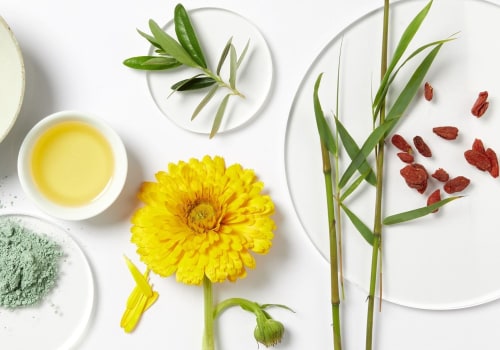
When it comes to sun protection, many individuals are increasingly turning to natural ingredients that offer SPF properties. These ingredients not only provide a shield against harmful UV rays but also come with additional skin benefits. Below is an overview of some of the most effective natural ingredients known for their SPF capabilities.Red Raspberry Seed Oil
One of the standout natural ingredients is Red Raspberry Seed Oil. This oil has garnered attention for its impressive SPF range, which is estimated to be between 28 and 50.Rich in antioxidants, it helps combat free radicals while providing anti-inflammatory benefits. This makes it an excellent choice for those looking to protect their skin from sun damage while also nourishing it.
Carrot Seed Oil
Carrot Seed Oil
is another powerful natural ingredient with notable SPF properties, boasting an SPF value of approximately 38 to 40. This oil is not only effective in sun protection but also promotes skin elasticity and reduces the appearance of fine lines and wrinkles. Its high antioxidant content further enhances its protective qualities, making it a popular choice in natural sunscreens.
Coconut Oil
Coconut Oil
, while not as potent as the previous oils, offers a low level of SPF protection, typically around 4 to 6.It is often used in conjunction with other natural ingredients to enhance overall sun protection.
Additionally, coconut oil is renowned for its moisturising properties, making it a great addition to any skincare routine.
Shea Butter
Shea Butter
is another natural ingredient that provides some level of sun protection, with an estimated SPF of around 6 to 10. Beyond its protective qualities, shea butter is deeply moisturising and helps soothe irritated skin, making it a fantastic option for post-sun exposure care.
Jojoba Oil
Jojoba Oil
, while primarily known for its moisturising properties, also offers a minor level of sun protection. Its composition closely resembles that of human sebum, allowing it to absorb easily into the skin without clogging pores. This makes it suitable for all skin types and an excellent addition to natural sunscreen formulations.In summary, incorporating products with these natural ingredients can significantly enhance your sun protection strategy. However, it's essential to remember that while these ingredients provide some level of SPF, they may not offer complete protection against both UVA and UVB rays on their own.
Therefore, always look for products that combine these natural ingredients with other protective measures for optimal results.
Top Natural Ingredients for SPF Protection
When it comes to harnessing the power of nature for sun protection, several ingredients stand out for their impressive SPF values and additional skin benefits. Below, we explore three of the most effective natural ingredients: Red Raspberry Seed Oil , Carrot Seed Oil , and Coconut Oil .Red Raspberry Seed Oil
Red Raspberry Seed Oil
is often hailed as one of the top natural sunscreens available. With an SPF value ranging from 28 to 50, it provides substantial protection against UVB rays. This oil is not only effective in shielding the skin from sun damage but also boasts a wealth of antioxidants, including vitamin E and polyphenols, which help combat free radicals and reduce inflammation.In addition to its sun protection properties, Red Raspberry Seed Oil is known for its moisturising capabilities.
It penetrates the skin easily, leaving it hydrated without a greasy residue. For those with sensitive skin, this oil can also help soothe irritation and redness, making it an excellent choice for daily use.
Carrot Seed Oil
Carrot Seed Oil
is another remarkable natural ingredient that offers impressive SPF protection, with values typically between 38 and 40. This oil is rich in beta-carotene, a precursor to vitamin A, which is essential for skin health. The antioxidants present in carrot seed oil not only protect against UV damage but also promote skin regeneration and repair.Moreover, Carrot Seed Oil is known for its ability to improve skin elasticity and reduce the appearance of fine lines and wrinkles.
Its nourishing properties make it suitable for all skin types, particularly dry or mature skin. To incorporate this oil into your skincare routine, consider mixing a few drops with your regular moisturiser or using it as part of a DIY sunscreen blend.
Coconut Oil
Coconut Oil
, while not as potent in terms of SPF (with values around 4 to 6), still offers some level of sun protection and has numerous benefits for the skin. Its moisturising properties are well-known; it helps to hydrate and soften the skin while providing a barrier against environmental stressors.Although Coconut Oil should not be relied upon as a standalone sunscreen due to its low SPF value, it can be an excellent addition to a broader sun protection strategy. When combined with other natural oils that have higher SPF values, Coconut Oil can enhance the overall effectiveness of your sun protection regimen.In conclusion, incorporating these natural ingredients into your skincare routine can provide both sun protection and additional benefits for your skin.
Always remember to check the concentration of these oils in products and consider combining them for optimal results in your quest for safe sun exposure.
How to Choose the Right Natural SPF Product
Choosing the right natural SPF product can be a daunting task, especially with the myriad of options available on the market. To ensure you select a product that effectively protects your skin from harmful UV rays while aligning with your values regarding natural ingredients, consider the following factors:- Ingredient Concentration: The effectiveness of a natural sunscreen largely depends on the concentration of active ingredients known for their SPF properties. Look for products that list these ingredients prominently and check their concentrations. For instance, Red Raspberry Seed Oil and Carrot Seed Oil are excellent choices, but their protective qualities are only effective at certain concentrations.
- Broad-Spectrum Protection: It is crucial to choose a sunscreen that offers broad-spectrum protection, which means it shields your skin from both UVA and UVB rays.
UVA rays can lead to premature aging and skin damage, while UVB rays are primarily responsible for sunburn. Always look for labels that explicitly state "broad-spectrum" to ensure comprehensive protection.
- Formulation: The formulation of the product plays a significant role in its effectiveness. Creams, lotions, and sprays may have different absorption rates and application methods. Creams tend to provide better coverage and are often more hydrating, while sprays can be convenient for reapplication.
Consider your skin type and personal preferences when selecting a formulation.
- Water Resistance: If you plan to swim or sweat, opt for water-resistant formulations. These products are designed to maintain their SPF protection even when exposed to water or moisture. However, remember that no sunscreen is completely waterproof; reapplication is essential after swimming or excessive sweating.
- Skin Type Compatibility: Different skin types react differently to various ingredients. If you have sensitive skin, look for products that are free from synthetic fragrances and harsh chemicals.
Ingredients like Aloe Vera and Chamomile can be soothing and beneficial for sensitive skin types.
- Environmental Impact: Many consumers today are also concerned about the environmental impact of their skincare choices. Look for brands that use sustainable practices and eco-friendly packaging. Additionally, some chemical sunscreens have been found to harm coral reefs; therefore, opting for mineral-based natural sunscreens can be a more environmentally conscious choice.
Application Tips for Maximum SPF Effectiveness
Applying sunscreen correctly is crucial for maximising its effectiveness, especially when using products with natural ingredients.Here are some essential tips to ensure you get the most out of your SPF protection.
How to Apply Sunscreen Properly
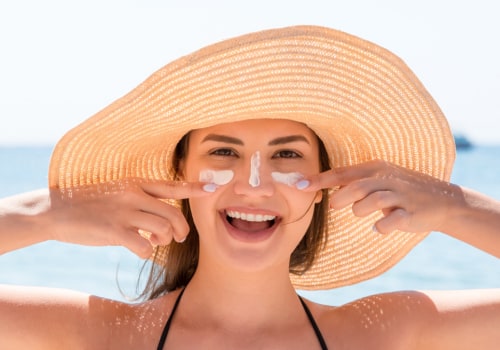
To achieve optimal sun protection, follow these steps:- Choose the Right Amount: A common guideline is to use about a shot glass full (approximately 30ml) for your entire body. For your face, a nickel-sized amount is usually sufficient.
- Apply Generously: Ensure that you cover all exposed areas of skin, including often-missed spots like the ears, back of the neck, and tops of the feet. Don’t forget areas like the scalp if you have thinning hair.
- Apply Before Sun Exposure: Ideally, apply sunscreen at least 15-30 minutes before going outside. This allows the product to absorb into the skin and form a protective barrier.
- Use Even Strokes: Apply the sunscreen in even strokes to avoid missing any patches.
Rubbing it in thoroughly helps ensure even coverage.
Reapplication Tips
Reapplying sunscreen is just as important as the initial application. Here’s how to do it effectively:- Frequency: Reapply every two hours, or more frequently if you are swimming or sweating. Water-resistant formulas may offer longer protection but still require reapplication.
- After Swimming or Towelling Off: Always reapply sunscreen immediately after swimming or towel drying, as these activities can remove the protective layer.
- Use a Setting Spray or Powder: For convenience, consider using a mineral-based setting spray or powder with SPF for easy reapplication over makeup throughout the day.
Sunscreen Application Techniques
The technique you use can also impact how well your sunscreen works:- Layering Products: If you use other skincare products, apply sunscreen as the last step in your routine. Allow each layer to absorb before applying the next.
- Avoid Rubbing Too Hard: While it’s important to rub in sunscreen, be gentle to avoid irritating your skin, especially if you have sensitive skin or are using natural products.
- Check Expiry Dates: Always check the expiry date on your sunscreen.
Expired products may not provide adequate protection.
Common Myths About Natural Sunscreens Debunked
As the popularity of natural sunscreens continues to rise, so too do the myths and misconceptions surrounding their effectiveness and safety. Understanding these myths is crucial for making informed choices about sun protection. Here, we will debunk some of the most common misconceptions about natural sunscreens.Myth 1: Natural Sunscreens Are Ineffective
One of the most prevalent myths is that natural sunscreens do not provide adequate protection against UV rays. While it is true that some natural ingredients have lower SPF values compared to their chemical counterparts, many natural sunscreens are formulated with a combination of effective ingredients that can offer substantial protection.For instance, zinc oxide and titanium dioxide, both of which are commonly used in natural formulations, provide broad-spectrum protection by physically blocking UV rays.
Myth 2: Higher SPF Means Better Protection
Another common misconception is that a higher SPF number guarantees better protection. While it’s true that higher SPF values indicate a longer duration of protection, the difference in actual UVB protection between SPF 30 and SPF 50 is minimal—about 97% versus 98%. Moreover, no sunscreen can provide 100% protection. It’s essential to apply sunscreen generously and reapply every two hours, regardless of the SPF rating.Myth 3: Natural Sunscreens Are Greasy and Heavy
Many people believe that natural sunscreens are greasy and leave a heavy residue on the skin.While some formulations may have a thicker consistency due to the presence of natural oils and butters, advancements in formulation technology have led to lighter, more absorbent options. Many brands now offer non-greasy, matte-finish natural sunscreens that are suitable for all skin types.
Myth 4: You Don’t Need Sunscreen on Cloudy Days
A widespread belief is that sunscreen is unnecessary when it’s cloudy or overcast. However, up to 80% of UV rays can penetrate through clouds, meaning your skin is still at risk for damage. Therefore, it’s vital to apply sunscreen daily, regardless of the weather conditions.Myth 5: Natural Ingredients Are Always Safe
While many natural ingredients are beneficial for the skin, it’s important to remember that 'natural' does not always equate to 'safe.' Some individuals may have allergies or sensitivities to certain plant extracts or oils used in natural sunscreens.Always conduct a patch test before trying a new product and consult with a dermatologist if you have concerns.By debunking these myths, we can foster a better understanding of how natural sunscreens work and their role in effective sun protection. Making informed choices about sun care not only helps protect your skin but also promotes overall health and well-being.
The Importance of Comprehensive Sun Protection Strategies
While using sunscreen is a vital component of sun protection, it is essential to adopt a comprehensive approach to safeguard your skin from the sun's harmful rays. This holistic strategy encompasses various methods that work synergistically to enhance your overall sun safety.One of the most effective strategies is to seek shade , especially during peak sunlight hours, typically between 10 a.m. and 4 p.m.When outdoors, look for natural shade under trees or man-made structures like umbrellas and canopies. If shade is not available, consider creating your own by using a wide-brimmed hat or a portable sun shelter.In addition to seeking shade, wearing protective clothing can significantly reduce your exposure to UV rays. Opt for tightly woven fabrics that cover as much skin as possible. Many brands now offer clothing specifically designed for sun protection, often labelled with an Ultraviolet Protection Factor (UPF).
These garments can provide an additional layer of defence against harmful rays.Accessories such as sunglasses are also crucial in your sun protection arsenal. Choose sunglasses that block 100% of UVA and UVB rays to protect your eyes and the delicate skin around them. Look for wraparound styles that offer additional coverage and reduce the amount of sunlight that can enter from the sides.Another important aspect of a holistic sun safety approach is to stay hydrated. Drinking plenty of water helps maintain your skin's health and resilience against sun damage.
Dehydrated skin is more susceptible to sunburn and other adverse effects.Finally, consider adjusting your outdoor activities based on the weather and UV index. On particularly sunny days or when the UV index is high, plan indoor activities or opt for early morning or late afternoon outings when the sun's intensity is lower.By integrating these strategies into your daily routine, you can create a robust defence against sun damage that goes beyond just applying sunscreen. Remember, effective sun protection is about being proactive and informed, ensuring that you enjoy the outdoors safely while minimising risks to your skin health.
Frequently Asked Questions About SPF and Natural Ingredients
Understanding SPF and its relationship with natural ingredients can be complex, leading to many questions. Here are some frequently asked questions that can help clarify common concerns.What does SPF stand for?
SPF, or Sun Protection Factor , is a measure of how well a sunscreen protects the skin from UVB rays, which are primarily responsible for sunburn.The SPF number indicates the theoretical amount of time you can stay in the sun without getting burned compared to not wearing any sunscreen.
How do natural ingredients provide SPF protection?
Natural ingredients can offer varying levels of SPF protection due to their inherent properties. For instance, Red Raspberry Seed Oil and Carrot Seed Oil have been shown to possess significant SPF values, making them effective in shielding the skin from harmful UV rays. However, the effectiveness largely depends on the concentration of these ingredients in the formulation.Are natural sunscreens as effective as chemical ones?
While many natural sunscreens can provide adequate protection, they may not always match the broad-spectrum efficacy of some chemical sunscreens. It is essential to look for products that specify they offer protection against both UVA and UVB rays to ensure comprehensive coverage.How often should I reapply natural sunscreen?
Regardless of whether you are using a natural or chemical sunscreen, it is crucial to reapply every two hours, or more frequently if you are swimming or sweating.Always follow the instructions on the product label for optimal results.
Can I rely solely on natural oils for sun protection?
While some natural oils do provide a degree of SPF protection, relying solely on them is not advisable. Oils like coconut oil have low SPF values and should be used in conjunction with other protective measures such as clothing and seeking shade during peak sun hours.What should I look for in a natural sunscreen?
- Broad-spectrum protection: Ensure it protects against both UVA and UVB rays.
- Ingredient transparency: Look for clear labeling of active natural ingredients.
- Water resistance: If you plan to swim or sweat, choose a water-resistant formula.
- Skin compatibility: Consider your skin type and any sensitivities when selecting a product.
Conclusion: Embracing Natural Ingredients for Effective Sun Protection
In summary, the journey towards understanding SPF natural ingredients and their role in sun protection is both enlightening and essential for anyone who values skin health. Throughout this guide, we have explored the significance of SPF, the various natural ingredients that offer protective benefits, and the importance of broad-spectrum coverage against harmful UV rays.Natural ingredients such as Red Raspberry Seed Oil , Carrot Seed Oil , and even Coconut Oil have emerged as viable alternatives to traditional chemical sunscreens. These ingredients not only provide a level of SPF protection but also come with additional skin benefits, such as antioxidant properties and anti-inflammatory effects.This makes them an attractive option for those seeking a more holistic approach to skincare.However, it is crucial to remember that while these natural ingredients can contribute to sun protection, they should not be relied upon solely. The effectiveness of any sunscreen product is influenced by several factors, including the concentration of active ingredients, the formulation of the product, and how it is applied. Therefore, always look for products that specify broad-spectrum protection to ensure you are shielded from both UVA and UVB rays.Moreover, adopting a comprehensive sun protection strategy is vital. This includes not only using products with SPF natural ingredients but also implementing other protective measures such as:
- Avoiding direct sun exposure during peak hours (10 AM to 4 PM).
- Wearing protective clothing, such as hats and long sleeves.
- Seeking shade whenever possible.
- Reapplying sunscreen every two hours or after swimming or sweating.
Remember, prevention is always better than cure; taking proactive steps today will pay off in the long run.In conclusion, integrating natural ingredients into your sun protection routine not only aligns with a more sustainable lifestyle but also enhances your skin's resilience against environmental stressors. As you navigate through the myriad of options available in the market, let informed choices guide you towards effective and safe sun protection.