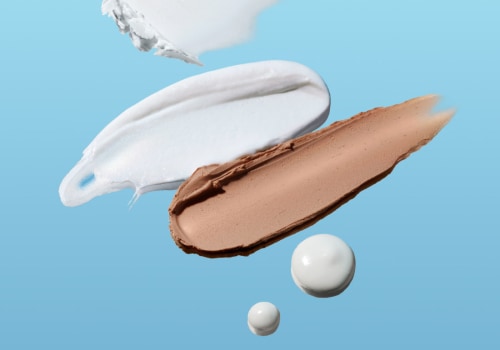
In recent years, there has been a significant shift towards the use of natural SPF ingredients in sunscreens, driven by a growing awareness of the potential hazards associated with chemical sunscreens. Consumers are increasingly seeking products that not only protect their skin from harmful UV rays but also align with their values regarding health and environmental sustainability. This trend has led to a surge in the availability of natural alternatives, which often boast a range of benefits beyond sun protection.Natural sunscreens typically utilise mineral-based ingredients such as zinc oxide and titanium dioxide, which provide a physical barrier against UV radiation. These ingredients are favoured for their ability to reflect and scatter sunlight, making them effective at preventing sunburn and long-term skin damage.
Moreover, many natural SPF formulations are free from synthetic fragrances, parabens, and other potentially harmful additives, appealing to those with sensitive skin or specific allergies.However, while the benefits of natural sunscreens are clear, one critical aspect that often requires further exploration is their water resistance. Understanding how well these products perform in wet conditions is essential for ensuring adequate protection during activities such as swimming or sweating. Water resistance can vary significantly among different natural SPF formulations, and consumers must be informed about these differences to make educated choices about their sun protection strategies.This article aims to delve deeper into the properties of various natural SPF ingredients, examining their effectiveness, benefits, and limitations—particularly in relation to water resistance. By shedding light on these factors, we hope to empower readers to select the most suitable sunscreen for their needs while enjoying the peace of mind that comes with using safer, more environmentally friendly products.
What Are Natural SPF Ingredients?
Natural SPF ingredients are derived from naturally occurring sources and are often considered safer alternatives to their chemical counterparts.These ingredients provide protection against harmful ultraviolet (UV) rays while being less likely to irritate the skin or cause allergic reactions. The definition of natural SPF can vary, but it generally refers to substances that are minimally processed and sourced from nature.Among the most common natural SPF ingredients are zinc oxide and titanium dioxide. Both of these minerals act as physical blockers, reflecting and scattering UV radiation away from the skin. Unlike chemical sunscreens, which absorb UV rays and convert them into heat, these natural options create a barrier on the skin's surface, making them suitable for sensitive skin types.
Zinc Oxide
Zinc oxide is a broad-spectrum sunscreen agent, meaning it protects against both UVA and UVB rays.It is often praised for its soothing properties, making it an excellent choice for those with conditions like rosacea or eczema. Additionally, zinc oxide is known for its stability under sunlight, which means it does not degrade as quickly as some chemical filters.
Titanium Dioxide
Titanium dioxide also offers broad-spectrum protection but is primarily effective against UVB rays and short-wave UVA rays. It is often used in formulations designed for children or those with particularly sensitive skin due to its gentle nature. However, it may require more frequent reapplication compared to zinc oxide to maintain effective protection.In contrast to natural SPF ingredients, chemical sunscreens typically contain organic compounds such as avobenzone, octisalate, and octocrylene.These ingredients work by absorbing UV radiation and converting it into heat, which is then released from the skin. While effective, some individuals may experience irritation or allergic reactions to these chemicals.Furthermore, there are growing concerns about the environmental impact of certain chemical sunscreens, particularly those containing oxybenzone and octinoxate, which have been linked to coral reef damage. This has led many consumers to seek out natural alternatives that are not only safer for their skin but also more environmentally friendly.In summary, natural SPF ingredients like zinc oxide and titanium dioxide offer effective sun protection while minimising potential skin irritations and environmental harm. Understanding these differences can help consumers make informed choices about their sun care products.
The Science Behind Water Resistance in Sunscreens
Understanding the science behind water resistance in sunscreens is crucial for anyone looking to protect their skin effectively, especially when engaging in water-related activities.Water resistance in sunscreens refers to the formulation's ability to maintain its protective qualities when exposed to water or sweat. This characteristic is particularly important for those who enjoy swimming, exercising outdoors, or simply spending time in humid conditions.At the core of water resistance lies the formulation of the sunscreen itself. Sunscreens are typically composed of a combination of active ingredients that provide UV protection and various excipients that help with application and stability. The two main categories of active ingredients are chemical and physical (or mineral) filters.
While chemical filters absorb UV radiation, physical filters like zinc oxide and titanium dioxide reflect it away from the skin.
How Water Resistance Works
Water-resistant sunscreens are formulated with specific ingredients that enhance their ability to adhere to the skin even when wet. These formulations often include:
- Film-forming agents: These create a protective layer on the skin, helping to keep the sunscreen intact during exposure to water.
- Emollients: Ingredients such as oils and waxes can improve the spreadability of the product while also contributing to its water resistance.
- Silicones: These compounds can provide a smooth application and enhance durability against moisture.
SPF and Water Exposure
The SPF rating of a sunscreen indicates its effectiveness in blocking UV rays but does not directly correlate with its water resistance. A product labelled as "water-resistant" must undergo rigorous testing to determine how long it maintains its SPF protection while exposed to water.
Typically, these products are classified as either "water-resistant for 40 minutes" or "water-resistant for 80 minutes," indicating how long they can withstand water exposure before needing reapplication.In conclusion, understanding the science behind water resistance in sunscreens is essential for making informed choices about sun protection. When selecting a sunscreen with natural SPF ingredients, consider not only the SPF rating but also how well it can withstand exposure to water, ensuring your skin remains protected during all your outdoor activities.
Evaluating Water Resistance Claims: What to Look For
When selecting a sunscreen, understanding the water resistance claims on the label is crucial for ensuring adequate protection during outdoor activities. Sunscreens are often marketed with terms like "water-resistant" and "very water-resistant," but what do these terms actually mean?Water-Resistant
: A sunscreen labelled as water-resistant typically means it maintains its SPF protection for up to 40 minutes while you are sweating or in the water. This is an important consideration for those who engage in activities such as swimming, running, or any outdoor sports where perspiration is likely.
Very Water-Resistant
: On the other hand, a product that claims to be very water-resistant can provide protection for up to 80 minutes under similar conditions.
This higher level of resistance makes it a more suitable choice for prolonged exposure to water or sweat.To make an informed decision, consumers should also look for additional information on the packaging. Here are some key factors to consider:
- SPF Rating: Ensure that the sunscreen has a sufficient SPF rating (at least 30 is recommended) to protect against UVB rays.
- Broad-Spectrum Protection: Look for products that offer broad-spectrum protection, which means they shield against both UVA and UVB rays.
- Ingredients List: Familiarise yourself with the natural ingredients used in the formulation. Ingredients like zinc oxide and titanium dioxide are common in natural sunscreens and provide effective physical barriers against UV radiation.
- Application Instructions: Follow the application guidelines carefully. Most sunscreens need to be applied generously and evenly to ensure full coverage.
Regular reapplication is necessary, especially after swimming, towel drying, or excessive sweating. Always check the label for specific reapplication instructions to maintain optimal protection.In summary, when evaluating water resistance claims, consider both the duration of effectiveness and the overall formulation of the product. By understanding these labels and making informed choices, you can better protect your skin from harmful UV rays while enjoying your time outdoors.
Common Natural SPF Ingredients and Their Water Resistance Properties
When it comes to natural SPF ingredients, understanding their water resistance properties is crucial for effective sun protection, especially for those who enjoy outdoor activities or live in humid climates. Below, we explore some of the most common natural SPF ingredients and their respective water resistance capabilities.Zinc Oxide
Zinc oxide
is a widely used natural mineral that provides broad-spectrum protection against both UVA and UVB rays.
One of its significant advantages is its ability to remain effective even when exposed to moisture. However, the degree of water resistance can vary based on the formulation. Generally, products containing zinc oxide can offer moderate water resistance, making them suitable for everyday use, but they may require reapplication after swimming or heavy sweating.
Titanium Dioxide
Titanium dioxide
is another popular mineral sunscreen ingredient known for its UV-blocking properties. Similar to zinc oxide, it provides broad-spectrum protection.
In terms of water resistance, titanium dioxide tends to perform well; however, it is often combined with other ingredients to enhance its stability and effectiveness in wet conditions. Formulations that include titanium dioxide can offer decent water resistance, but users should still be cautious and reapply after exposure to water.
Natural Oils in Sunscreen
Many natural oils are touted for their SPF properties, such as coconut oil , avocado oil , and jojoba oil. While these oils can provide some level of sun protection, their water resistance is generally lower compared to mineral-based sunscreens. For instance:- Coconut Oil: Offers a natural SPF of around 4-5 but lacks significant water resistance.
- Avocado Oil: Provides a slightly higher SPF and contains antioxidants but may wash off easily.
- Jojoba Oil: Known for its moisturising properties, it has minimal SPF and low water resistance.
Instead, they are best used in conjunction with more robust SPF ingredients like zinc oxide or titanium dioxide.In summary, while natural SPF ingredients like zinc oxide and titanium dioxide offer reasonable water resistance, it is essential to consider the specific formulation of the product you choose. Always check labels for indications of water resistance and remember that reapplication is key to maintaining effective sun protection.
Myths vs. Facts: Debunking Misconceptions About Natural SPF and Water Resistance
When it comes to natural SPF ingredients, a plethora of myths and misconceptions can cloud consumer understanding, particularly regarding their water resistance. It’s essential to separate fact from fiction to make informed choices about sun protection.Myth 1: All Natural Sunscreens Are Water-Resistant
One common misconception is that all natural sunscreens possess inherent water resistance.
In reality, while some natural ingredients, such as zinc oxide and titanium dioxide, provide a physical barrier against UV rays, their effectiveness in water is not guaranteed. The formulation of the sunscreen plays a crucial role in determining its water resistance. Many natural sunscreens lack the synthetic polymers found in chemical sunscreens that enhance water resistance.
Myth 2: Natural Ingredients Offer Full Protection Even When Wet
Another prevalent myth is that natural SPF ingredients can maintain their protective qualities even when exposed to water. This is misleading; while some natural ingredients may offer a degree of protection, they can wash off more easily than their chemical counterparts.
It’s vital to reapply sunscreen after swimming or sweating, regardless of whether it contains natural or synthetic ingredients.
Fact 1: Water Resistance Varies by Product
The truth is that the level of water resistance varies significantly among different products. Some natural sunscreens are specifically formulated to be water-resistant for up to 40 or 80 minutes, as indicated on their labels. Consumers should look for these specifications when selecting a product for outdoor activities.
Fact 2: Ingredients Matter
The effectiveness of natural SPF ingredients in terms of water resistance also depends on the specific components used in the formulation. For instance, oils like coconut oil may provide some level of moisture but do not offer substantial UV protection or water resistance.
In contrast, formulations that combine natural waxes with mineral filters can enhance durability against water exposure.
Conclusion
Understanding the nuances of natural SPF ingredients and their water resistance capabilities is crucial for effective sun protection. By debunking these myths and acknowledging the facts, consumers can make better choices that align with their skincare needs and lifestyle.
Best Practices for Using Natural SPF Products Effectively
To ensure that you are getting the most out of your natural SPF products, it is essential to apply them correctly and follow best practices. Here are some effective tips to maximise your sun protection:- Choose the Right Amount: A common mistake is not using enough sunscreen. For adequate coverage, aim for approximately a shot glass full (about 30ml) for your entire body.
For your face, a nickel-sized amount is usually sufficient.
- Apply Generously: When applying, make sure to cover all exposed areas, including often-missed spots like the ears, back of the neck, and tops of the feet. Don’t forget areas like the scalp if you have thinning hair.
- Timing is Key: Apply your natural sunscreen at least 15-30 minutes before sun exposure. This allows the ingredients to bind to your skin effectively and provide optimal protection.
- Use Even Strokes: Apply the sunscreen in even strokes, ensuring that it is well distributed across your skin. Rubbing it in thoroughly can help enhance absorption and effectiveness.
Here are some guidelines to follow:
- Reapply Regularly: Reapply every two hours, or more frequently if you are swimming or sweating. Even water-resistant natural sunscreens can wear off over time.
- After Swimming or Toweling Off: If you’ve been in water or have towel-dried yourself, it’s essential to reapply your sunscreen immediately to maintain protection.
- Layering with Other Products: If you use other skincare products, such as moisturisers or makeup, apply your natural sunscreen last. This ensures that it forms a protective barrier on top of your skin.
By following these best practices, you can enjoy the sun safely while making the most of your natural SPF ingredients.
Frequently Asked Questions About Natural SPF Ingredients and Water Resistance
As consumers become more aware of the ingredients in their skincare products, many questions arise regarding the efficacy and safety of natural SPF ingredients, particularly concerning their water resistance. Below are some of the most frequently asked questions that can help clarify these important aspects.What are natural SPF ingredients?
Natural SPF ingredients are derived from plant-based sources and minerals, offering a safer alternative to synthetic chemical sunscreens. Common natural ingredients include zinc oxide and titanium dioxide , which provide broad-spectrum protection against UVA and UVB rays. These minerals work by sitting on the skin's surface and reflecting harmful rays, rather than being absorbed into the skin.How does water resistance work in sunscreens?
Water resistance in sunscreens refers to their ability to maintain SPF protection even after exposure to water or sweat.This is crucial for individuals who engage in outdoor activities or swimming. Sunscreens are typically classified as either water-resistant (lasting up to 40 minutes) or very water-resistant (lasting up to 80 minutes). However, it’s important to note that not all natural SPF products are formulated to be water-resistant.
Are natural sunscreens effective when wet?
The effectiveness of natural sunscreens when wet can vary significantly. Many natural formulations do not contain the same synthetic polymers that enhance water resistance in chemical sunscreens.Therefore, while some natural options may offer decent protection, they often require reapplication after swimming or sweating to ensure continued efficacy.
How often should I reapply natural sunscreen?
Regardless of whether you use a natural or chemical sunscreen, it is essential to reapply every two hours, or immediately after swimming, sweating, or towel drying. This ensures that your skin remains protected from harmful UV rays throughout your outdoor activities.Can I trust the claims of water resistance on natural SPF products?
While many brands make claims about their products' water resistance, it is crucial to look for certifications or testing results that back these claims. Not all natural sunscreens undergo rigorous testing for water resistance, so consumers should research and choose reputable brands known for transparency in their ingredient sourcing and product testing.In summary, understanding the nuances of natural SPF ingredients and their water resistance properties is vital for making informed choices about sun protection. By addressing these common questions, consumers can better navigate the options available and select products that meet their needs effectively.Conclusion: Making Informed Choices About Natural Sunscreens
In conclusion, navigating the world of natural sunscreens requires a nuanced understanding of the various SPF natural ingredients and their respective water resistance properties.As we have explored, not all natural ingredients offer the same level of protection when it comes to moisture exposure, which is crucial for maintaining effective sun defence during activities such as swimming or sweating.It is essential to recognise that while natural SPF ingredients like zinc oxide and titanium dioxide are often celebrated for their safety and environmental benefits, their performance in water can vary significantly. For instance, while these minerals provide broad-spectrum protection, their adherence to the skin can be compromised when exposed to water unless they are formulated with additional agents that enhance their water resistance.Moreover, understanding the labelling on sunscreen products is vital. Terms like "water-resistant" can be misleading if consumers do not grasp what they entail. The FDA guidelines stipulate specific testing methods that determine how long a sunscreen can maintain its SPF level while exposed to water or sweat.
Therefore, when selecting a natural sunscreen, look for products that specify their water resistance duration—typically either 40 or 80 minutes.As you make your choices, consider your lifestyle and the conditions under which you will be using the sunscreen. If you plan to engage in water sports or outdoor activities that induce sweating, opting for a product with proven water resistance is advisable. Additionally, reapplication is key; even the most robust formulations will require reapplication after swimming or towel drying.Ultimately, informed choices about natural sunscreens hinge on a comprehensive understanding of both the ingredients and their performance characteristics. By prioritising products that combine effective natural SPF ingredients with reliable water resistance, you can ensure optimal protection against harmful UV rays while also being mindful of your health and the environment.In summary, being proactive in your sunscreen selection process not only enhances your skin's safety but also contributes to a more sustainable approach to sun care.
Embrace the knowledge gained from this exploration and choose wisely for both your skin and our planet.