Understanding the concept of SPF , or Sun Protection Factor, is essential for anyone looking to protect their skin from the harmful effects of ultraviolet (UV) radiation. SPF is a measure of how well a sunscreen can protect the skin from UVB rays, which are primarily responsible for sunburn and contribute to skin cancer. The higher the SPF number, the greater the protection it offers. However, it is crucial to note that no sunscreen can provide 100% protection, making it vital to incorporate other sun safety practices alongside its use.The importance of using sunscreen cannot be overstated.
Regular application of a broad-spectrum sunscreen helps prevent not only immediate skin damage, such as sunburn but also long-term issues like premature aging and an increased risk of skin cancer. UV rays can penetrate the skin and cause cellular damage, leading to conditions such as hyperpigmentation and loss of elasticity. Therefore, incorporating sunscreen into your daily skincare routine is a proactive step towards maintaining healthy skin.When it comes to choosing between natural and synthetic SPF products, many consumers are often left wondering which option is best for their skin and the environment. Natural SPF products typically contain mineral-based ingredients like zinc oxide or titanium dioxide, which physically block UV rays from penetrating the skin. and synthetic SPF products, many consumers are often left wondering which option is best for their skin and the environment. Natural SPF products typically contain mineral-based ingredients like zinc oxide or titanium dioxide, which physically block UV rays from penetrating the skin.
In contrast, synthetic sunscreens often use chemical filters that absorb UV radiation. While both types can be effective, natural options are often favoured by those seeking cleaner formulations free from potentially harmful chemicals. Understanding these differences is crucial in making informed choices about sun protection.
What Are Natural SPF Products?
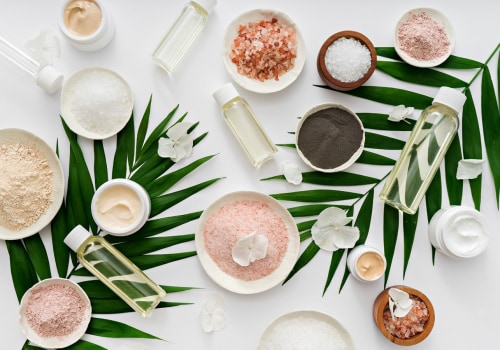
Natural SPF products are formulated using ingredients derived from nature, offering an alternative to traditional chemical sunscreens. These products typically utilise mineral-based compounds that provide a physical barrier against harmful UV rays, rather than relying on synthetic chemicals that absorb UV radiation.The most common natural ingredients found in these sunscreens include zinc oxide and titanium dioxide , both of which are effective at reflecting and scattering UV light.In addition to these primary active ingredients, many natural SPF products incorporate a variety of botanical extracts and oils that not only enhance the sunscreen's protective qualities but also nourish the skin. Some popular natural ingredients include:
- Shea Butter: Known for its moisturising properties, shea butter helps to soothe and hydrate the skin while providing a degree of sun protection.
- Coconut Oil: This oil is often praised for its hydrating benefits and has a natural SPF of around 4-5, making it a popular choice in natural formulations.
- Aloe Vera: Renowned for its soothing properties, aloe vera can help calm sunburned skin and provide additional hydration.
- Green Tea Extract: Rich in antioxidants, green tea extract can help protect the skin from oxidative stress caused by UV exposure.
Furthermore, natural ingredients tend to be less irritating for sensitive skin types, making them suitable for a broader audience.In summary, natural SPF products offer a compelling alternative to conventional sunscreens by harnessing the power of nature to protect the skin from UV damage. With their blend of mineral-based actives and nourishing botanical ingredients, they not only shield against harmful rays but also promote overall skin health.
How Do Natural SPF Ingredients Work?
Understanding how natural SPF ingredients work is essential for making informed choices about sun protection. Unlike chemical sunscreens, which absorb UV radiation, natural SPF products primarily utilise mineral ingredients such as zinc oxide and titanium dioxide. These minerals act as physical blockers, sitting on the skin's surface and reflecting harmful UV rays away from the skin.When applied, mineral sunscreens create a protective barrier that scatters both UVA and UVB rays.This mechanism is particularly effective because it provides immediate protection upon application, unlike many chemical formulations that require a waiting period to become effective. Furthermore, mineral sunscreens are less likely to irritate sensitive skin, making them a popular choice for individuals with skin conditions or allergies.In contrast, chemical sunscreens contain organic compounds that absorb UV radiation and convert it into heat, which is then released from the skin. While these products can be effective, they often require reapplication every two hours to maintain their protective qualities. This is due to their tendency to break down when exposed to sunlight and sweat, which can diminish their effectiveness over time.One of the key advantages of natural SPF ingredients is their stability under sunlight.
Mineral sunscreens do not degrade as quickly as their chemical counterparts, providing longer-lasting protection without the need for frequent reapplication. However, it is important to note that while mineral sunscreens are generally considered safer and more effective for broad-spectrum protection, they may leave a white cast on the skin due to the physical nature of the minerals used.In summary, both mineral and chemical sunscreens have their place in sun protection; however, natural SPF products with mineral ingredients offer a reliable option for those seeking effective and gentle sun defence. Understanding these differences can help consumers make better choices tailored to their skin type and lifestyle needs.
The Myth of Frequent Reapplication
One of the most pervasive myths surrounding natural SPF products is the belief that they necessitate more frequent reapplication compared to their synthetic counterparts. This misconception can lead to confusion and anxiety for consumers who are trying to protect their skin effectively.To understand the truth, it is essential to examine the factors that influence sunscreen efficacy and the role of natural ingredients.Firstly, it’s important to note that the effectiveness of any sunscreen, whether natural or synthetic, is primarily determined by its Sun Protection Factor (SPF) rating. This rating indicates the level of protection against UVB rays, which are responsible for sunburn and contribute to skin cancer. Natural sunscreens often utilise mineral-based ingredients such as zinc oxide and titanium dioxide, which provide broad-spectrum protection by physically blocking UV rays. These ingredients are not only effective but also tend to remain stable under sunlight, which can mitigate the need for more frequent reapplication.Another factor contributing to the myth of frequent reapplication is the misunderstanding of how long sunscreen lasts once applied.
The general guideline suggests reapplying every two hours, but this applies universally to all types of sunscreen, regardless of their formulation. The need for reapplication is primarily influenced by factors such as sweating, swimming, or towel drying rather than the type of sunscreen used. Therefore, if you are using a natural SPF product with a high SPF rating and applying it correctly, there is no inherent reason to believe that it requires more frequent application than a synthetic one.Moreover, expert opinions support the notion that proper application techniques can significantly enhance the effectiveness of natural sunscreens. For optimal protection, it is recommended to:
- Apply generously: Use enough product to cover all exposed skin thoroughly.
- Apply before sun exposure: Ideally, sunscreen should be applied at least 15-30 minutes before going outdoors.
- Reapply after swimming or sweating: If you engage in activities that may wash away or dilute your sunscreen, reapplication is necessary.
- Avoid relying solely on makeup with SPF: While some cosmetics contain SPF, they often do not provide adequate coverage on their own.
By understanding how these products work and following proper application techniques, consumers can confidently protect their skin without falling prey to common myths.
Factors Influencing Sunscreen Effectiveness
Understanding the effectiveness of sunscreen, whether natural or synthetic, requires a closer look at several key factors that can significantly influence its performance. These factors include skin type, environmental conditions, and the methods of application.Skin Type and Sunscreen
Your individual skin type plays a crucial role in how well sunscreen performs. For instance:- Oily Skin: Those with oily skin may prefer gel-based or lightweight formulations that absorb quickly without leaving a greasy residue. Natural SPF products often contain ingredients like zinc oxide or titanium dioxide, which can be beneficial for oily skin types.
- Dry Skin: If you have dry skin, look for sunscreens enriched with moisturising agents such as aloe vera or sheer butter.
These ingredients not only provide sun protection but also hydrate the skin.
- Sensitive Skin: Individuals with sensitive skin should opt for mineral-based sunscreens that are less likely to cause irritation. Ingredients like green tea extract or chamomile can also help soothe the skin while providing protection.
Environmental Factors
The environment in which you apply sunscreen can also affect its efficacy. Consider the following:- Humidity and Temperature: High humidity can cause sweating, which may lead to the sunscreen wearing off more quickly. In such conditions, it’s advisable to choose water-resistant formulations and reapply more frequently.
- Altitude: At higher altitudes, UV radiation is more intense due to thinner atmosphere layers.
This means that even on cloudy days, your skin is still at risk, necessitating diligent application of sunscreen.
- Water Exposure: If you’re swimming or sweating, even water-resistant sunscreens can lose their effectiveness over time. It’s essential to reapply every two hours or immediately after towel drying.
Application Methods
The way you apply sunscreen can greatly impact its protective capabilities. Here are some tips to ensure optimal coverage:- Generous Application: Most people do not apply enough sunscreen. A general rule is to use about a shot glass full for full body coverage.
Ensure even distribution across all exposed areas.
- Timing: Apply sunscreen at least 15-30 minutes before sun exposure to allow it to absorb into the skin effectively.
- Layering Products: If using other skincare products, apply sunscreen as the last step in your routine to ensure it forms a protective barrier on your skin.
Best Practices for Using Natural SPF Products
When it comes to utilising natural SPF products, understanding the best practices for application and selection is essential for optimal sun protection. Here are some key tips to ensure you are getting the most out of your natural sunscreen.How to Apply Natural Sunscreen
Applying natural sunscreen effectively can make a significant difference in its protective capabilities. Follow these steps for proper application:- Apply Generously: Use a sufficient amount of product; a general rule is to apply about a shot glass full (approximately 30ml) for full body coverage. This ensures that all exposed skin is adequately protected.
- Timing is Key: Apply your natural sunscreen at least 15-30 minutes before sun exposure.
This allows the ingredients to bind to your skin and form an effective barrier against UV rays.
- Don’t Forget Hard-to-Reach Areas: Pay special attention to areas often overlooked, such as the back of your neck, ears, and tops of your feet. These areas are just as susceptible to sun damage.
- Reapply Regularly: While the myth of frequent reapplication may be debated, it’s advisable to reapply every two hours, especially after swimming or sweating, to maintain protection.
Tips for Effective Sun Protection
In addition to proper application, consider these tips for enhancing your sun protection strategy:- Choose Broad-Spectrum Protection: Ensure that your natural SPF product offers broad-spectrum protection against both UVA and UVB rays. This is crucial for comprehensive skin safety.
- Consider Your Skin Type: Different skin types may require different formulations. For instance, those with oily skin might prefer a lightweight gel or spray, while dry skin types may benefit from cream-based sunscreens enriched with moisturising ingredients.
- Check Expiry Dates: Always check the expiry date on your sunscreen.
Using expired products can lead to reduced effectiveness and inadequate protection.
Choosing the Right Natural Sunscreen
Selecting the right natural sunscreen involves understanding your individual needs and preferences. Here are some factors to consider:- Ingredient Transparency: Look for products with clear labelling and minimal ingredients. Natural sunscreens should ideally contain physical blockers like zinc oxide or titanium dioxide without harmful additives.
- Scent and Texture: Since you’ll be applying it frequently, choose a scent and texture that you enjoy. This will encourage consistent use.
- Sustainability Considerations: If environmental impact is important to you, opt for brands that prioritise eco-friendly packaging and sustainable sourcing of ingredients.
Frequently Asked Questions About Natural SPF Products
As the popularity of natural SPF products continues to grow, so do the questions surrounding their efficacy and application.Here, we address some of the most frequently asked questions to help clarify common misconceptions about these products.
1.What are natural SPF products made from?
Natural SPF products typically utilise natural ingredients such as zinc oxide and titanium dioxide, which act as physical blockers against UV rays. These minerals sit on the skin's surface, reflecting and scattering harmful rays rather than absorbing them like many chemical sunscreens. Additionally, many natural sunscreens incorporate botanical extracts and oils that provide additional skin benefits.2.Do I need to reapply natural sunscreen more often?
A common myth is that natural sunscreens require more frequent reapplication than their chemical counterparts. In reality, the need for reapplication depends on various factors such as water exposure, sweating, and duration of sun exposure rather than the type of sunscreen used.It is generally recommended to reapply any sunscreen every two hours, or immediately after swimming or excessive sweating, regardless of whether it is a natural or chemical formulation.
3.Are natural sunscreens less effective?
While some may argue that natural sunscreens offer lower SPF ratings compared to chemical options, this does not inherently mean they are less effective. The effectiveness of a sunscreen is determined by its ability to provide broad-spectrum protection against both UVA and UVB rays. Many natural sunscreens are formulated to meet these standards while also being free from synthetic chemicals.4.Can I use natural SPF products on sensitive skin?
Natural SPF products are often a preferred choice for individuals with sensitive skin due to their gentle formulations and lack of harsh chemicals. However, it is essential to check the ingredient list for potential allergens or irritants, as some botanical extracts may still cause reactions in certain individuals.5.How do I choose the right natural sunscreen?
When selecting a natural sunscreen, consider factors such as:- SPF Rating: Look for a broad-spectrum SPF of at least 30 for adequate protection.
- Water Resistance: If you plan on swimming or sweating, choose a water-resistant formula.
- Ingredient Transparency: Opt for brands that clearly list their ingredients and avoid those with unnecessary additives.
- Skin Type: Consider your skin type and any specific concerns (e.g., acne-prone or dry skin) when selecting a product.
Conclusion: Embracing Natural SPF with Confidence
As we conclude our exploration of natural SPF products, it is essential to reflect on the key insights that have emerged throughout this discussion.Understanding the nuances of these products not only empowers consumers but also fosters a more informed approach to sun protection.First and foremost, it is crucial to recognise that while natural ingredients can offer effective sun protection, they may not always provide the same level of broad-spectrum coverage as their synthetic counterparts. Ingredients such as zinc oxide and titanium dioxide are often highlighted for their ability to shield the skin from harmful UV rays, making them popular choices in natural formulations. However, the effectiveness of these ingredients can vary based on their concentration and formulation.Moreover, the myth surrounding the need for frequent reapplication of natural SPF products deserves careful consideration. While it is true that all sunscreens, regardless of their origin, require reapplication—especially after swimming or sweating—the frequency may not differ significantly between natural and synthetic options when used correctly.
The key lies in understanding how to apply these products effectively and ensuring adequate coverage.In addition, consumers should be aware of the importance of reading labels and understanding what constitutes a truly natural SPF product. Not all products marketed as 'natural' are created equal; some may contain synthetic additives or insufficient active ingredients. Therefore, it is advisable to look for certifications or third-party testing that can validate the claims made by manufacturers.Ultimately, embracing natural SPF products with confidence involves a combination of education, awareness, and personal preference. By making informed choices based on reliable information and understanding your skin's unique needs, you can enjoy the sun safely while supporting your health and well-being.In summary, as you prepare for sunny days ahead, remember that effective sun protection is not solely about choosing between natural or synthetic options; it is about finding what works best for you.
Equip yourself with knowledge, choose wisely, and enjoy the outdoors with peace of mind.