Understanding the concept of SPF , or Sun Protection Factor, is essential for anyone looking to safeguard their skin from the damaging effects of the sun. SPF is a measure of how well a sunscreen can protect the skin from ultraviolet (UV) rays, specifically UVB rays, which are primarily responsible for sunburn and contribute to skin cancer. The higher the SPF number, the greater the level of protection it offers. For instance, an SPF of 30 blocks approximately 97% of UVB rays, while SPF 50 blocks about 98%.
However, it is crucial to remember that no sunscreen can provide 100% protection, making it vital to apply it correctly and reapply it regularly.The importance of SPF cannot be overstated, especially in today’s world where prolonged sun exposure is common due to outdoor activities and lifestyle choices. UV radiation can lead to a range of skin issues, including premature aging, hyperpigmentation, and an increased risk of skin cancer. Regular use of sunscreen with adequate SPF not only helps prevent these conditions but also promotes overall skin health. Moreover, understanding how SPF works empowers individuals to make informed choices about their sun protection strategies.As we delve deeper into the realm of sun protection, it becomes evident that while traditional chemical sunscreens have been widely used, there is a growing awareness and preference for SPF natural ingredients.
These natural alternatives not only provide effective sun protection but also come with additional benefits that enhance skin health. By exploring the significance of SPF and its role in protecting our skin from harmful UV rays, we set the stage for a comprehensive discussion on the advantages of incorporating natural ingredients into our sun care routines.
What Are SPF Natural Ingredients?
SPF natural ingredients are components derived from nature that provide effective sun protection while being gentle on the skin. Unlike their synthetic counterparts, these ingredients are often less likely to cause irritation or allergic reactions, making them a preferred choice for many individuals seeking safer skincare options.To qualify as an SPF natural ingredient, a substance must be sourced from natural origins and demonstrate the ability to protect the skin from harmful ultraviolet (UV) radiation. The two primary types of UV rays that pose risks to our skin are UVA and UVB rays.UVA rays penetrate deeply into the skin, leading to premature aging and skin cancer, while UVB rays are responsible for sunburn and can also contribute to skin cancer.Some of the most well-known SPF natural ingredients include:
- Zinc Oxide: A mineral that provides broad-spectrum protection against both UVA and UVB rays. It works by sitting on the skin's surface and reflecting UV radiation away.
- Titanium Dioxide: Another mineral that offers effective sun protection, primarily against UVB rays. Like zinc oxide, it acts as a physical barrier on the skin.
- Shea Butter: While not a sunscreen on its own, shea butter contains natural SPF properties and is known for its moisturising benefits, making it a popular addition in formulations.
- Coconut Oil: This oil has a natural SPF of around 4-5 and is often used in conjunction with other protective ingredients to enhance overall sun protection.
- Aloe Vera: Known for its soothing properties, aloe vera can help calm sunburned skin and may offer some level of protection against UV damage.
By opting for products that contain these natural components, consumers can enjoy effective sun safety while minimising exposure to potentially harmful synthetic chemicals.
The Science Behind Sun Damage
The skin is our body's largest organ, serving as a protective barrier against external elements. However, it is also highly susceptible to damage from ultraviolet (UV) rays emitted by the sun. Understanding the science behind how these rays affect our skin is crucial for appreciating the importance of effective sun protection.UV radiation is divided into two primary types: UVA and UVB. UVA rays penetrate deeply into the skin, reaching the dermis, where they can cause significant cellular damage.These rays are primarily responsible for photoaging, which manifests as wrinkles, fine lines, and loss of skin elasticity. On the other hand, UVB rays primarily affect the outer layer of the skin (epidermis) and are the main culprits behind sunburns. Both types of UV radiation can lead to long-term skin damage and increase the risk of skin cancer.
Cellular Damage and DNA Alteration
When UV rays penetrate the skin, they can cause direct damage to the DNA within skin cells. This damage occurs through a process known as photodamage, where UV radiation induces the formation of pyrimidine dimers—abnormal bonds between adjacent thymine or cytosine bases in DNA.If not repaired properly, this can lead to mutations that may result in uncontrolled cell growth, a hallmark of cancer.
Inflammation and Immune Response
In addition to direct DNA damage, UV exposure triggers an inflammatory response in the skin. This response is characterised by redness, swelling, and pain—common symptoms of sunburn. The inflammatory process involves the release of various cytokines and other mediators that can further exacerbate skin damage and accelerate aging. Over time, repeated inflammation can lead to chronic conditions such as actinic keratosis or even skin cancer.Free Radicals and Oxidative Stress
UV radiation also generates free radicals—unstable molecules that can cause oxidative stress within cells.These free radicals attack cellular components such as lipids, proteins, and DNA, leading to further cellular dysfunction and aging. The accumulation of oxidative stress over time contributes significantly to the visible signs of aging and increases the risk of developing skin cancers.In summary, understanding how UV rays damage our skin at a cellular level highlights the critical need for effective sun protection strategies. By employing sunscreens with SPF natural ingredients that offer broad-spectrum protection against both UVA and UVB rays, we can help mitigate these harmful effects and maintain healthier skin.
How SPF Natural Ingredients Protect Your Skin
Understanding how SPF natural ingredients protect your skin is essential for making informed choices about sun protection. Unlike their chemical counterparts, which absorb UV rays, natural ingredients often create a physical barrier that reflects and scatters harmful rays away from the skin.This mechanism is primarily attributed to minerals such as zinc oxide and titanium dioxide , which are commonly found in natural sunscreens.
Zinc oxide
, for instance, is a broad-spectrum sunscreen agent that not only protects against UVA and UVB rays but also has soothing properties that can help calm irritated skin. It works by sitting on the surface of the skin, forming a protective layer that prevents UV radiation from penetrating. This physical barrier is particularly beneficial for individuals with sensitive skin or conditions like rosacea, as it minimizes the risk of irritation often associated with chemical filters.In addition to providing a physical barrier, many natural SPF ingredients are rich in antioxidants. These compounds play a crucial role in neutralising free radicals generated by UV exposure and environmental stressors.
Ingredients such as green tea extract , vitamin C , and vitamin E not only enhance the protective effects of sunscreens but also contribute to overall skin health by reducing inflammation and promoting healing.The antioxidant properties of these natural ingredients help combat oxidative stress, which can lead to premature aging and skin damage. By incorporating products that contain these beneficial components, you are not only shielding your skin from harmful rays but also actively working to repair and rejuvenate it.Moreover, the use of natural ingredients in sun protection aligns with a more holistic approach to skincare. Many consumers are increasingly aware of the potential side effects associated with chemical sunscreens, such as hormonal disruptions and allergic reactions. By opting for products formulated with natural SPF ingredients, you can enjoy peace of mind knowing that you are using safer alternatives that are less likely to cause adverse reactions.In summary, the protective mechanisms offered by SPF natural ingredients encompass both physical barriers against UV radiation and powerful antioxidant properties that safeguard your skin from damage.
This dual action not only enhances your sun protection strategy but also promotes healthier skin in the long run.
The Role of Antioxidants in Skin Protection
Antioxidants play a pivotal role in maintaining skin health, particularly when it comes to protecting against the damaging effects of free radicals. These unstable molecules are generated by various environmental stressors, including UV radiation, pollution, and even the natural aging process. When free radicals accumulate in the body, they can lead to oxidative stress, which is a significant contributor to skin damage, premature aging, and various skin conditions.Incorporating antioxidants into your skincare routine can provide a robust defence against these harmful agents. Here are some key benefits of antioxidants for skin protection:- Neutralising Free Radicals: Antioxidants work by donating electrons to free radicals, effectively stabilising them and preventing them from causing cellular damage.
This process helps to mitigate the harmful effects of oxidative stress on the skin.
- Reducing Inflammation: Many antioxidants possess anti-inflammatory properties that can soothe irritated skin and reduce redness. Ingredients such as green tea extract and vitamin E are particularly effective in calming inflammation, making them ideal for sensitive or acne-prone skin.
- Enhancing Skin Repair: Antioxidants can promote the skin's natural repair processes. For instance, vitamin C is known to stimulate collagen production, which is essential for maintaining skin elasticity and firmness.
- Improving Skin Tone: Regular use of antioxidant-rich products can lead to a more even skin tone and texture. Ingredients like resveratrol and niacinamide help to brighten the complexion and reduce the appearance of dark spots.
- Vitamin C: A powerful antioxidant that not only protects against UV damage but also brightens the skin and promotes collagen synthesis.
- Vitamin E: Known for its moisturising properties, vitamin E also helps to protect cell membranes from oxidative damage.
- Green Tea Extract: Rich in polyphenols, this ingredient offers exceptional anti-inflammatory benefits while also providing protection against UV radiation.
- Coenzyme Q10: This antioxidant is vital for energy production in cells and helps to reduce the appearance of fine lines and wrinkles.
By choosing products rich in these beneficial compounds, you can not only protect your skin from environmental damage but also promote a radiant and youthful complexion.
Comparing Chemical vs. Natural Sunscreens
When it comes to sun protection, the choice between chemical and natural sunscreens can be overwhelming. Understanding the differences, as well as the pros and cons of each type, is essential for making an informed decision that aligns with your skincare needs and values.Chemical Sunscreens
Chemical sunscreens typically contain organic compounds that absorb UV radiation. These ingredients, such as avobenzone, octisalate, and octocrylene, work by converting UV rays into heat, which is then released from the skin.While effective in providing sun protection, there are several factors to consider:
- Pros:
- Often lighter in texture and easier to apply, making them suitable for daily use.
- Generally provide a broad spectrum of protection against both UVA and UVB rays.
- Available in a variety of formulations, including sprays and gels.
- Cons:
- Some individuals may experience skin irritation or allergic reactions due to synthetic ingredients.
- Chemicals can be absorbed into the bloodstream, raising concerns about long-term health effects.
- Many chemical sunscreens are not environmentally friendly and can harm marine life.
Natural Sunscreens
In contrast, natural sunscreens primarily use mineral-based ingredients like zinc oxide and titanium dioxide. These ingredients act as physical blockers that sit on the skin's surface and reflect UV rays away from the skin. Here are some key points regarding natural sunscreens:- Pros:
- Less likely to cause skin irritation or allergic reactions, making them suitable for sensitive skin types.
- Provide immediate protection upon application without needing time to absorb into the skin.
- Generally more environmentally friendly, as they are biodegradable and do not contribute to coral bleaching.
- Cons:
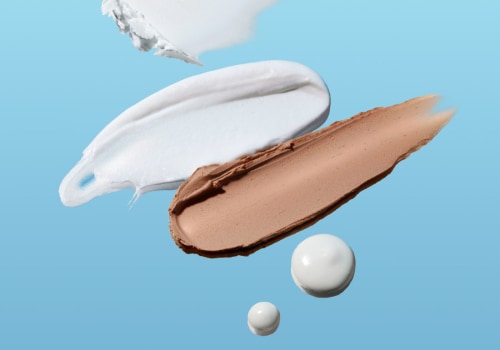
- Tend to have a thicker consistency, which may leave a white cast on the skin.
- Can be less cosmetically elegant compared to chemical formulations, potentially affecting user compliance.
- May require more frequent reapplication, especially after swimming or sweating.
Environmental Impact of Sunscreens: Why Natural Matters
The environmental impact of sunscreens has become a pressing concern in recent years, particularly as awareness grows about the detrimental effects of certain chemical ingredients on marine ecosystems.Traditional sunscreens often contain harmful substances that can contribute to coral bleaching and the degradation of aquatic habitats. This has led to a significant shift towards seeking eco-friendly sunscreen options that utilise SPF natural ingredients .One of the most alarming issues associated with chemical sunscreens is their role in coral bleaching. Studies have shown that ingredients such as oxybenzone and octinoxate can be toxic to coral reefs, leading to the loss of biodiversity and the collapse of marine ecosystems. When these chemicals wash off our skin into the ocean, they can disrupt the delicate balance of marine life, causing corals to expel the algae that provide them with nutrients and colour.
This process not only affects the corals themselves but also the myriad of species that depend on these reefs for survival.In contrast, natural sunscreens typically use mineral-based ingredients like zinc oxide and titanium dioxide, which are considered safer for marine environments. These minerals act as physical blockers that reflect UV rays rather than absorbing them, thus providing effective sun protection without the harmful side effects associated with chemical filters. Moreover, many natural sunscreens are formulated with organic plant extracts and oils that not only protect the skin but also nourish it, making them a dual-purpose product.Choosing eco-friendly sunscreen options is not just beneficial for our skin; it also plays a crucial role in preserving our planet's health. By opting for products that are free from harmful chemicals, consumers can contribute to reducing pollution in our oceans and protecting vulnerable marine ecosystems.
Additionally, many brands committed to sustainability use biodegradable packaging and ethically sourced ingredients, further minimising their environmental footprint.As environmentally conscious consumers, it is essential to educate ourselves about the products we use and their impact on our surroundings. By prioritising SPF natural ingredients , we can enjoy sun protection while actively participating in the preservation of our planet's precious resources. Making informed choices about sunscreen not only benefits our skin but also ensures a healthier environment for future generations.
Incorporating SPF Natural Ingredients into Your Skincare Routine
Incorporating SPF natural ingredients into your daily skincare routine is essential for effective sun protection and overall skin health. Here are some practical tips to help you seamlessly integrate these natural elements into your regimen.Choosing the Right Products
When selecting products, look for those that contain natural SPF ingredients such as zinc oxide and titanium dioxide.These mineral-based sunscreens provide broad-spectrum protection against both UVA and UVB rays without the harsh chemicals found in many conventional sunscreens. Additionally, consider products enriched with antioxidant-rich oils like jojoba oil , argan oil , or coconut oil , which not only protect but also nourish the skin.
Layering Your Skincare
A well-structured skincare routine can enhance the effectiveness of your natural SPF products. Follow these steps:- Cleansing: Start with a gentle cleanser to remove impurities and prepare your skin for subsequent products.
- Toning: Use a natural toner to balance your skin's pH levels and enhance absorption of the following products.
- Serum: Apply an antioxidant-rich serum that contains ingredients like vitamin C or green tea extract. This will help combat free radicals and provide an extra layer of protection.
- Moisturiser: Choose a lightweight moisturiser that includes natural SPF ingredients.
This will hydrate your skin while offering sun protection.
- Sunscreen: Finally, apply a broad-spectrum sunscreen with at least SPF 30. Ensure it contains natural ingredients and is suitable for your skin type.
Application Techniques
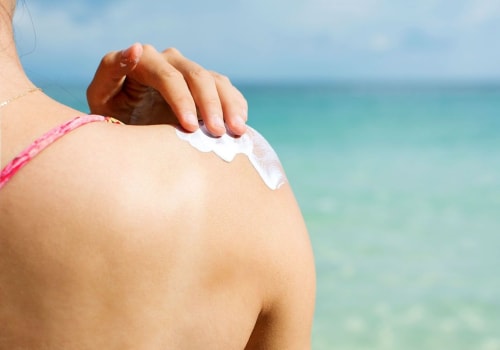
The way you apply your sunscreen can significantly impact its effectiveness. Here are some best practices:- Apply Generously: Use about a nickel-sized amount for your face and a shot glass full for your body. Don’t forget areas like your ears, neck, and the tops of your feet.
- Timing is Key: Apply sunscreen at least 15-30 minutes before sun exposure to allow it to absorb properly into the skin.
- Reapply Regularly: Reapply every two hours, or more frequently if swimming or sweating.
Look for natural SPF sprays or powders for easy reapplication on the go.
Common Myths About Natural Sunscreens Debunked
As the popularity of natural sunscreens continues to rise, so too do the myths surrounding their effectiveness and safety. It is essential to address these misconceptions to help consumers make informed choices about their sun protection. Below, we debunk some of the most common myths about natural sunscreens.Myth 1: Natural Sunscreens Are Ineffective
One prevalent myth is that natural sunscreens do not provide adequate protection against harmful UV rays. In reality, many natural sunscreens contain physical blockers like zinc oxide and titanium dioxide , which are highly effective at reflecting and scattering UV radiation.Studies have shown that these ingredients can offer broad-spectrum protection comparable to their chemical counterparts.
Myth 2: Natural Sunscreens Are Only for Sensitive Skin
While it is true that many people with sensitive skin benefit from using natural sunscreens due to their gentle formulations, this does not mean they are exclusively for this demographic. Natural sunscreens can be suitable for all skin types, including oily and combination skin. The key is to choose a product that matches your specific skin needs.Myth 3: They Leave a White Cast on the Skin
Another common misconception is that natural sunscreens always leave a noticeable white residue on the skin. While some formulations may have this issue, advancements in cosmetic technology have led to the development of tinted or micronized versions of mineral sunscreens that blend seamlessly into various skin tones without leaving a white cast.Myth 4: Natural Sunscreens Are Not Water-Resistant
Many consumers believe that natural sunscreens lack water resistance.However, several brands now offer water-resistant formulations that maintain their SPF protection even when exposed to water or sweat. Always check the product label for specific water resistance claims.
Myth 5: They Are Not as Long-Lasting as Chemical Sunscreens
Some people think that natural sunscreens require more frequent reapplication than chemical options. While it is essential to reapply any sunscreen every two hours or after swimming or sweating, many natural formulations are designed to provide long-lasting protection when used correctly.By debunking these myths, we can empower consumers to make educated decisions about their sun protection methods. Understanding the facts about SPF natural ingredients can lead to healthier skin and a more sustainable approach to sun care.<strong>Conclusion</strong>
In summary, the benefits of SPF natural ingredients for sun protection are both extensive and compelling.As we have explored throughout this article, these ingredients not only shield our skin from harmful UV rays but also offer a multitude of additional advantages that enhance overall skin health.One of the primary benefits of using natural ingredients in sunscreens is their ability to provide effective protection without the harsh side effects often associated with chemical alternatives. Ingredients such as zinc oxide and titanium dioxide serve as physical blockers, reflecting UV rays away from the skin while being gentle enough for even the most sensitive skin types.Moreover, many SPF natural ingredients are rich in antioxidants, which play a crucial role in combating free radicals generated by sun exposure and environmental pollutants. Antioxidants like vitamin C, vitamin E, and green tea extract not only protect against oxidative stress but also promote skin repair and rejuvenation, contributing to a more youthful appearance.The environmental impact of our skincare choices cannot be overlooked. Natural ingredients are typically biodegradable and less harmful to marine ecosystems compared to their chemical counterparts, which have been linked to coral bleaching and other ecological issues.
By choosing products with natural SPF ingredients, we are making a conscious decision to protect not only our skin but also the planet.In conclusion, prioritising SPF natural ingredients in our sun protection regimen is essential for maintaining healthy skin while minimising potential risks associated with synthetic chemicals. As we embrace the warmer months, let us remember that effective sun protection is not just about preventing sunburn; it is about safeguarding our skin's long-term health and vitality. By integrating these natural options into our daily routines, we can enjoy the sun responsibly and confidently.