Understanding the concept of SPF, or Sun Protection Factor, is crucial for anyone looking to maintain healthy skin while enjoying the outdoors. SPF is a measure of how well a sunscreen can protect the skin from harmful ultraviolet (UV) rays, specifically UVB rays, which are primarily responsible for sunburn and can contribute to skin cancer. The number associated with SPF indicates the level of protection offered; for instance, an SPF of 30 means that it would take 30 times longer for your skin to burn compared to not wearing any sunscreen at all. However, it is essential to note that SPF does not account for UVA rays, which can penetrate deeper into the skin and lead to premature aging and other skin issues.The importance of using sunscreen cannot be overstated.
Regular application of a broad-spectrum sunscreen helps shield the skin from both UVB and UVA rays, significantly reducing the risk of sunburn, skin damage, and long-term health concerns such as skin cancer. Moreover, consistent use of SPF products can prevent hyperpigmentation and maintain an even skin tone, making it a vital component of any skincare routine. This is particularly important for individuals with sensitive or acne-prone skin, as sun exposure can exacerbate these conditions.Understanding how SPF works is equally important in making informed choices about sun protection. Sunscreens can be classified into two main categories: chemical and physical (or mineral) sunscreens.
Chemical sunscreens absorb UV radiation through their active ingredients, converting it into heat that is then released from the skin. In contrast, physical sunscreens contain natural minerals like zinc oxide or titanium dioxide that sit on the surface of the skin and reflect UV rays away. This distinction is particularly relevant when considering Chemical sunscreens absorb UV radiation through their active ingredients, converting it into heat that is then released from the skin. In contrast, physical sunscreens contain natural minerals like zinc oxide or titanium dioxide that sit on the surface of the skin and reflect UV rays away. This distinction is particularly relevant when considering SPF natural ingredients, as they often fall into the physical category, providing a gentler option for those with sensitive skin.
The Science Behind SPF Natural Ingredients
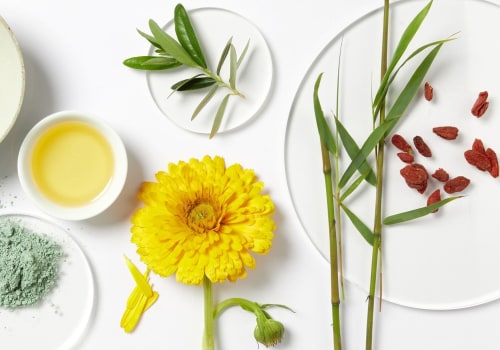
Understanding SPF natural ingredients requires a closer look at their composition and how they function to protect the skin from harmful UV radiation. Unlike their chemical counterparts, which absorb UV rays and convert them into heat, natural SPF ingredients create a physical barrier on the skin's surface.This barrier reflects and scatters UV rays, preventing them from penetrating the skin and causing damage.Common natural SPF ingredients include:
- Zinc oxide: A mineral that provides broad-spectrum protection against both UVA and UVB rays. It is often recommended for sensitive skin due to its soothing properties.
- Titanium dioxide: Another mineral that offers effective UV protection, particularly against UVB rays. It is also less likely to irritate the skin compared to chemical sunscreens.
- Red raspberry seed oil: Known for its high antioxidant content, this oil provides some natural sun protection while also nourishing the skin.
- Carrot seed oil: Rich in beta-carotene, this oil not only offers a degree of sun protection but also promotes skin health through its antioxidant properties.
- Anti-inflammatory effects: Ingredients like green tea extract and aloe vera can help calm irritated skin, making them ideal for those with conditions such as acne or rosacea.
- Antioxidant protection: Natural ingredients often contain antioxidants that combat free radicals generated by sun exposure, reducing the risk of premature aging and skin damage.
- Moisturising properties: Many natural SPF products include hydrating components like shea butter or coconut oil, which help maintain the skin's moisture barrier while providing sun protection.
Chemical sunscreens have been linked to various health issues, including hormonal disruptions and allergic reactions. Furthermore, some of these chemicals can harm marine ecosystems when washed off into oceans and waterways. In contrast, natural ingredients are generally regarded as safer for both human health and the environment.In summary, the science behind SPF natural ingredients reveals their dual role as effective sun protectants and beneficial skincare components. By opting for products that harness these natural elements, consumers can enjoy a safer, more holistic approach to sun protection.
Comparing Chemical vs.
Natural SunscreensWhen it comes to sun protection, consumers are often faced with a choice between chemical and natural sunscreens. Understanding the differences between these two types of products is crucial for making informed decisions about skin health and safety.
Understanding Chemical Sunscreens
Chemical sunscreens typically contain organic compounds that absorb UV radiation. Common ingredients include oxybenzone, avobenzone, and octinoxate. While these ingredients are effective at preventing sunburn, they come with several drawbacks:- Skin Irritation: Many users report skin irritation or allergic reactions to chemical sunscreens, particularly those with sensitive skin.
- Hormonal Disruption: Some studies suggest that certain chemical ingredients may disrupt hormonal balance, raising concerns about long-term use.
- Environmental Impact: Chemical sunscreens can harm marine ecosystems, particularly coral reefs, when washed off in oceans.
The Advantages of Natural Sunscreens
In contrast, natural sunscreens often utilise mineral-based ingredients like zinc oxide and titanium dioxide.These ingredients work by forming a physical barrier on the skin that reflects UV rays. The benefits of using natural sunscreens include:
- Reduced Irritation: Natural ingredients are less likely to cause irritation, making them suitable for sensitive skin types.
- Anti-inflammatory Properties: Many natural components, such as aloe vera and green tea extract, possess anti-inflammatory properties that can soothe the skin.
- Environmental Safety: Natural sunscreens are generally considered safer for marine life, reducing the risk of ecological damage.
Making an Informed Choice
The choice between chemical and natural sunscreens ultimately depends on individual skin types and preferences. For those with sensitive skin or specific conditions like acne or rosacea, natural options may provide a safer and more effective solution. It is essential to read labels carefully and choose products that align with your skin's needs while considering both personal health and environmental impact.Benefits of SPF Natural Ingredients for Acne-Prone Skin
For individuals with acne-prone skin, the choice of sunscreen is crucial.Traditional sunscreens often contain chemical ingredients that can exacerbate breakouts and irritate sensitive skin. In contrast, SPF natural ingredients offer a more suitable alternative, providing effective sun protection while also addressing the unique needs of acne-prone skin.One of the primary advantages of using natural sunscreens is their anti-inflammatory properties. Ingredients such as aloe vera, green tea extract, and chamomile are known for their soothing effects on the skin. These natural components can help reduce redness and swelling associated with acne, making them ideal for those who experience inflammation as a result of breakouts.Moreover, many natural ingredients possess antibacterial properties.
For instance, tea tree oil is renowned for its ability to combat acne-causing bacteria without the harshness of synthetic chemicals. By incorporating sunscreens that contain such ingredients, individuals can not only protect their skin from UV damage but also actively work to prevent future breakouts.Another significant benefit of SPF natural ingredients is their non-comedogenic nature. Unlike some chemical sunscreens that may clog pores and lead to further acne issues, natural formulations typically avoid heavy oils and comedogenic substances. This means that users can enjoy sun protection without the fear of exacerbating their acne condition.When selecting a natural sunscreen for acne-prone skin, it’s essential to look for products that are specifically labelled as non-comedogenic.
Ingredients like zinc oxide and titanium dioxide, which are common in mineral-based sunscreens, create a physical barrier against UV rays while allowing the skin to breathe. This is particularly beneficial for those with oily or combination skin types.In summary, opting for SPF natural ingredients can significantly enhance the skincare routine of those with acne-prone skin. By choosing products that offer anti-inflammatory and antibacterial benefits while remaining non-comedogenic, individuals can effectively manage their acne while ensuring adequate sun protection. This holistic approach not only safeguards the skin from harmful UV rays but also promotes overall skin health.
Natural Ingredients That Help Combat Acne
When it comes to managing acne, incorporating natural ingredients into your skincare routine can be a game-changer.These ingredients not only help combat breakouts but also soothe and nourish the skin. Below are some of the most effective natural ingredients known for their acne-fighting properties.
Tea Tree Oil
Tea tree oil
is renowned for its potent antibacterial and anti-inflammatory properties. Extracted from the leaves of the Melaleuca alternifolia tree, this essential oil has been used for centuries to treat various skin conditions, including acne. Research indicates that tea tree oil can reduce the number of acne lesions and improve overall skin appearance.
- How it works: Tea tree oil penetrates the skin and helps to kill acne-causing bacteria, reducing inflammation and redness associated with breakouts.
- Usage: It is advisable to dilute tea tree oil with a carrier oil, such as jojoba or coconut oil, before applying it directly to the skin to prevent irritation.
Aloe Vera
Aloe vera
is another powerful natural ingredient that offers numerous benefits for acne-prone skin.
Known for its soothing and hydrating properties, aloe vera can help calm inflamed skin while providing essential moisture.
- Benefits: Aloe vera contains salicylic acid, which is effective in treating acne by unclogging pores and reducing excess oil production. Additionally, its anti-inflammatory properties help alleviate redness and swelling.
- Application: You can apply pure aloe vera gel directly from the plant onto affected areas or look for skincare products that contain a high percentage of aloe vera.
Other Notable Natural Ingredients
In addition to tea tree oil and aloe vera, several other natural ingredients can be beneficial for acne management:- Witch Hazel: This natural astringent helps tighten pores and reduce inflammation, making it an excellent choice for oily and acne-prone skin.
- Honey: Known for its antibacterial properties, honey can help prevent breakouts while also providing hydration to the skin.
- Green Tea Extract: Rich in antioxidants, green tea extract can help reduce sebum production and inflammation, making it a great addition to any acne-fighting regimen.
Other Skin Conditions Benefiting from SPF Natural Ingredients
While acne is a prevalent concern, many individuals also struggle with other skin conditions that can benefit from the use of SPF natural ingredients. Two such conditions are rosacea and eczema, both of which can be exacerbated by sun exposure.Understanding how natural sunscreens can provide relief and protection for these conditions is essential for anyone seeking to maintain healthy skin.
Natural Sunscreen for Rosacea
Rosacea is a chronic inflammatory skin condition characterised by redness, visible blood vessels, and sometimes acne-like breakouts. Individuals with rosacea often find that sun exposure can trigger flare-ups, leading to increased redness and discomfort. This is where natural sunscreens come into play.Natural sunscreens typically contain ingredients like zinc oxide and titanium dioxide , which provide a physical barrier against harmful UV rays. These minerals not only protect the skin but also have soothing properties that can help calm inflammation associated with rosacea.Additionally, formulations enriched with chamomile or oat extract can further alleviate redness and irritation, making them ideal for sensitive skin types.
Eczema Treatment with Sunscreen
Eczema, or atopic dermatitis, is another condition that can significantly benefit from the use of natural sunscreens. This condition often results in dry, itchy patches of skin that can become inflamed when exposed to irritants, including UV rays. Using a natural sunscreen can help protect these vulnerable areas while also providing hydration.Look for sunscreens that include ingredients like shea butter , coconut oil , or aloe vera. These components not only offer sun protection but also moisturise the skin, helping to prevent the dryness that often accompanies eczema.Furthermore, natural formulations are less likely to contain harsh chemicals or fragrances that could trigger flare-ups.
Skin Conditions and Sunscreen: A Broader Perspective
The benefits of using SPF natural ingredients extend beyond just rosacea and eczema. Many individuals with sensitive skin or conditions such as psoriasis may also find relief through the use of natural sunscreens. The gentle nature of these products means they are less likely to cause irritation compared to their chemical counterparts.In summary, incorporating SPF natural ingredients into your skincare routine can provide significant benefits for various skin conditions. By choosing products specifically formulated for sensitive or problematic skin, individuals can enjoy effective sun protection while minimising the risk of irritation and flare-ups.How to Choose the Right SPF Natural Ingredients for Your Skin Type
Choosing the right SPF natural ingredients for your skin type is crucial for effective sun protection and overall skin health.With a plethora of options available, it can be overwhelming to find the perfect match. Here are some tailored tips to help you navigate this process.
Understanding Your Skin Type
Before selecting a sunscreen, it’s essential to understand your skin type. The main categories include:- Oily Skin: If you have oily skin, look for lightweight, non-comedogenic formulas that won’t clog your pores. Natural ingredients like zinc oxide and green tea extract can provide effective sun protection while helping to control excess oil.
- Dry Skin: For those with dry skin, opt for sunscreens that contain hydrating ingredients such as shea butter, coconut oil, or aloe vera.
These components not only protect against UV rays but also nourish and moisturise the skin.
- Sensitive Skin: If your skin is prone to irritation, choose products with minimal ingredients and avoid fragrances. Look for natural sunscreens that include soothing agents like chamomile or oat extract, which can help calm inflammation.
- Combination Skin: Those with combination skin should seek a balanced formula that hydrates dry areas while controlling oil in the T-zone. A lightweight lotion with natural SPF ingredients can be ideal.
Key Ingredients to Look For
When selecting a natural sunscreen, pay attention to the ingredient list. Here are some beneficial components:- Zinc Oxide: A mineral-based ingredient that provides broad-spectrum protection against both UVA and UVB rays.
- Titanium Dioxide: Another mineral that offers effective sun protection and is less likely to irritate sensitive skin.
- Aloe Vera: Known for its soothing properties, aloe vera can help hydrate and calm the skin while providing sun protection.
- Green Tea Extract: Rich in antioxidants, this ingredient helps combat free radicals generated by sun exposure.
Tips for Selecting the Right Sunscreen
Here are some practical tips to ensure you choose the best natural sunscreen for your needs:- Check the SPF Rating: Aim for a minimum SPF of 30 for adequate protection, especially during prolonged sun exposure.
- Look for Broad-Spectrum Protection: Ensure the product protects against both UVA and UVB rays to safeguard against sunburn and premature aging.
- Patch Test New Products: Before applying a new sunscreen all over your face or body, conduct a patch test on a small area to check for any adverse reactions.
- Select Water-Resistant Formulas: If you plan on swimming or sweating, choose a water-resistant option to maintain protection.
This thoughtful approach will not only enhance your skincare routine but also promote healthier skin in the long run.
Common Myths About SPF Natural Ingredients Debunked
When it comes to SPF natural ingredients, there are numerous myths and misconceptions that can lead to confusion among consumers. Understanding the facts is crucial for making informed choices about sun protection. Here, we debunk some of the most common myths surrounding natural sunscreens.Myth 1: Natural Sunscreens Are Ineffective
One prevalent myth is that natural sunscreens do not provide adequate protection against UV rays. In reality, many natural ingredients, such as zinc oxide and titanium dioxide , are highly effective at blocking both UVA and UVB rays.These minerals create a physical barrier on the skin, reflecting harmful rays away. Studies have shown that mineral-based sunscreens can offer comparable protection to their chemical counterparts.
Myth 2: All Natural Ingredients Are Safe
While many natural ingredients are beneficial, not all are suitable for everyone. For instance, some individuals may experience allergic reactions to certain plant extracts or oils. It’s essential to conduct a patch test before applying any new product extensively.Additionally, just because an ingredient is natural does not mean it is automatically safe for all skin types.
Myth 3: Higher SPF Means Better Protection
Another common misconception is that a higher SPF guarantees superior protection. While it’s true that higher SPF numbers indicate more prolonged protection against UVB rays, they do not significantly increase the level of protection. For example, SPF 30 blocks about 97% of UVB rays, while SPF 50 blocks approximately 98%. It’s crucial to apply sunscreen generously and reapply every two hours for optimal protection, regardless of the SPF.Myth 4: Natural Sunscreens Leave a White Cast
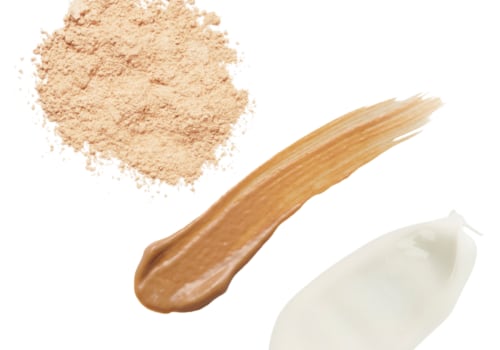
Many people believe that all natural sunscreens leave a noticeable white residue on the skin due to their mineral content.However, advancements in formulation have led to the development of tinted and transparent options that blend seamlessly with various skin tones. Brands are now offering products that minimise the white cast while still providing effective sun protection.
Myth 5: You Don’t Need Sunscreen on Cloudy Days
A common belief is that sunscreen is unnecessary when it’s cloudy or overcast. This is misleading; up to 80% of UV rays can penetrate through clouds. Therefore, it’s vital to apply sunscreen daily, regardless of the weather conditions, to protect your skin from potential damage.By debunking these myths about SPF natural ingredients, consumers can make better-informed decisions regarding their sun protection strategies.Understanding the facts helps build trust in natural products and encourages healthier skincare practices.
Conclusion: Embracing SPF Natural Ingredients for Healthier Skin
In conclusion, the shift towards SPF natural ingredients represents a significant advancement in skincare, particularly for those grappling with various skin conditions. As we have explored, these natural alternatives not only provide effective sun protection but also offer a multitude of additional benefits that can enhance overall skin health.One of the most compelling advantages of using natural SPF ingredients is their reduced likelihood of causing irritation or allergic reactions. Unlike traditional chemical sunscreens, which can provoke adverse responses in sensitive skin, natural options such as zinc oxide and titanium dioxide form a protective barrier that reflects harmful UV rays without penetrating the skin. This makes them particularly suitable for individuals with conditions like rosacea, eczema, and acne.Moreover, many natural ingredients possess inherent anti-inflammatory and antioxidant properties.For instance, extracts from green tea and vitamin E not only shield the skin from sun damage but also work to calm inflammation and redness. This dual action is especially beneficial for those with acne-prone skin, where inflammation can exacerbate breakouts.Additionally, the incorporation of SPF natural ingredients into daily skincare routines can help mitigate the long-term effects of sun exposure. By protecting against both UVA and UVB rays, these products play a crucial role in preventing premature aging and reducing the risk of skin cancer.As consumers become increasingly aware of the potential hazards associated with chemical sunscreens—ranging from hormonal disruptions to environmental concerns—the demand for safer, more sustainable options continues to grow. By choosing products that harness the power of nature, individuals can not only safeguard their skin but also contribute to a healthier planet.Ultimately, embracing SPF natural ingredients is not just about sun protection; it’s about making informed choices that promote overall skin wellness.
As you consider your next sunscreen purchase, remember the myriad benefits that these natural alternatives offer. Your skin will thank you for it.