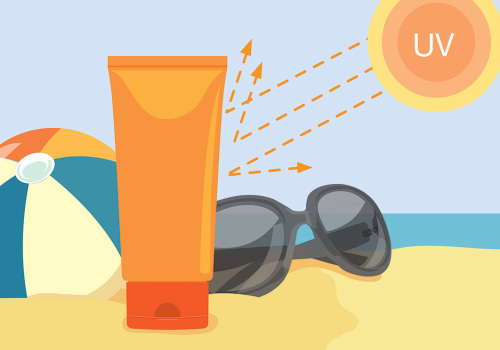
Understanding SPF, or Sun Protection Factor, is essential for anyone looking to safeguard their skin from the harmful effects of ultraviolet (UV) radiation. SPF is a measure of how well a sunscreen can protect the skin from UVB rays, which are primarily responsible for sunburn and can contribute to skin cancer. The higher the SPF number, the greater the level of protection it offers. For instance, an SPF of 30 blocks approximately 97% of UVB rays, while SPF 50 blocks about 98%.
However, it’s crucial to note that no sunscreen can provide 100% protection.The importance of SPF cannot be overstated. Prolonged exposure to UV rays can lead to various skin issues, including premature aging, sunburn, and an increased risk of skin cancer. Understanding how SPF works allows individuals to make informed choices about their sun protection strategies. When applied correctly and in sufficient amounts, sunscreen acts as a barrier that absorbs or reflects UV radiation, preventing it from penetrating the skin.
This protective layer is vital not only for maintaining healthy skin but also for reducing the risk of long-term damage.Moreover, it’s important to remember that SPF is not just a summer concern; UV rays can harm the skin year-round, even on cloudy days or during winter months. Therefore, incorporating a broad-spectrum sunscreen with adequate SPF into your daily skincare routine is a proactive step towards preserving your skin's health. As we delve deeper into the world of SPF natural ingredients, understanding the fundamentals of SPF will empower you to choose products that not only protect but also nourish your skin.
The Shift Towards Natural Ingredients in Skincare
In recent years, there has been a significant shift towards natural ingredients in the skincare industry. This movement is largely driven by an increasing consumer awareness of the potential dangers associated with synthetic chemicals commonly found in traditional skincare products.As individuals become more informed about the ingredients they apply to their skin, many are opting for plant-based skincare solutions that promise not only safety but also efficacy.The rise of social media and online platforms has played a crucial role in this transformation. Consumers now have access to a wealth of information regarding the benefits of natural ingredients, as well as the harmful effects of certain chemicals. This has led to a more discerning customer base that actively seeks out products free from parabens, sulfates, and artificial fragrances. As a result, brands are responding by reformulating their products to include more natural skincare trends , appealing to this growing demographic.One of the primary benefits of choosing natural ingredients is their compatibility with various skin types.
Unlike synthetic compounds that can cause irritation or allergic reactions, many plant-based ingredients are gentle and nourishing. For instance, oils derived from seeds and nuts are rich in essential fatty acids and vitamins that help maintain skin health without the risk of adverse effects.Moreover, natural ingredients often come packed with antioxidants, which are vital for combating oxidative stress caused by environmental factors such as UV exposure and pollution. Ingredients like green tea extract , aloe vera , and vitamin E not only protect the skin but also promote healing and rejuvenation.The environmental impact of skincare products is another factor influencing consumer choices. Many individuals are now prioritising sustainability and eco-friendliness in their purchasing decisions.
Brands that utilise responsibly sourced natural ingredients often resonate more with consumers who are concerned about their ecological footprint.In conclusion, the shift towards natural ingredients in skincare reflects a broader trend of health consciousness and environmental awareness among consumers. By choosing plant-based options, individuals can enjoy the dual benefits of effective skincare while supporting sustainable practices. As this trend continues to grow, it is likely that we will see even more innovative formulations that harness the power of nature to enhance our beauty routines.
Benefits of Plant-Based SPF Ingredients
Choosing plant-based SPF ingredients for sun protection offers a multitude of benefits that extend beyond mere UV defence. One of the most significant advantages is their gentleness on the skin.Unlike conventional sunscreens, which often contain synthetic chemicals that can irritate sensitive skin, natural ingredients are typically less likely to provoke allergic reactions or skin sensitivities. This makes them an excellent choice for individuals with conditions such as eczema or rosacea, who may find traditional products too harsh.Moreover, many plant-based SPF ingredients come packed with additional skin benefits. For instance, oils like red raspberry seed oil and carrot seed oil are not only effective at providing sun protection but also rich in antioxidants and essential fatty acids. These compounds help to nourish the skin, promoting a healthy complexion while simultaneously shielding it from harmful UV rays.
Antioxidants play a crucial role in neutralising free radicals generated by sun exposure, thereby reducing oxidative stress and potential skin damage.Another compelling reason to opt for natural sunscreen is their anti-aging properties. Prolonged sun exposure is one of the leading causes of premature aging, manifesting as wrinkles, fine lines, and age spots. By incorporating plant-based SPF ingredients into your skincare routine, you can help mitigate these effects. Ingredients like aloe vera not only soothe sunburn but also promote skin healing and regeneration, making it a valuable ally in the fight against visible signs of aging.Furthermore, many natural SPF ingredients possess inherent anti-inflammatory properties.
This means they can help calm irritated skin after sun exposure, reducing redness and discomfort associated with sunburn. For example, coconut oil , known for its moisturising qualities, can aid in soothing inflamed skin while providing a light level of sun protection.In summary, the benefits of using plant-based SPF ingredients are manifold. They offer a gentle alternative to chemical sunscreens while providing additional nourishment and protection for the skin. With their ability to combat signs of aging and soothe irritation, these natural options are becoming increasingly popular among those seeking a holistic approach to skincare and sun protection.
Key Plant-Based Ingredients with SPF Protection
When it comes to protecting your skin from harmful UV rays, several plant-based SPF ingredients stand out for their effectiveness and additional skin benefits.Below, we explore some of the most notable natural oils and extracts that not only provide sun protection but also nourish and rejuvenate the skin.
- Red Raspberry Seed Oil
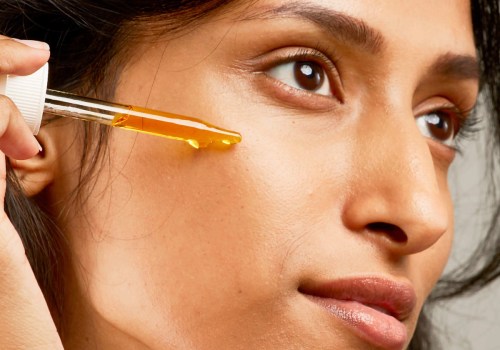
This oil is celebrated for its impressive SPF rating of 25-50. Rich in essential fatty acids and antioxidants, red raspberry seed oil helps to hydrate the skin while providing a natural barrier against UV radiation. Its anti-inflammatory properties make it an excellent choice for soothing sunburned skin. - Carrot Seed Oil
With an SPF of 35-40, carrot seed oil is renowned for its ability to rejuvenate the skin. It contains carotenoids, which are powerful antioxidants that help protect against UV damage.Additionally, its anti-aging properties can assist in reducing the appearance of fine lines and wrinkles.
- Coconut Oil
Although coconut oil has a lower SPF rating of 4-10, it is a popular choice for natural sun protection due to its moisturising properties. It absorbs quickly into the skin, providing hydration while also offering a light barrier against the sun. Its soothing qualities can help alleviate discomfort from sunburn. - Shea Butter
With an SPF of 6-10, shea butter is often included in natural sunscreen formulations. It is packed with vitamins A and E, which are essential for maintaining healthy skin.Shea butter not only protects against UV damage but also deeply nourishes and hydrates the skin, making it ideal for daily use.
- Aloe Vera
Known for its healing properties, aloe vera has an SPF rating of around 20. It is particularly effective in soothing sunburn and providing relief from irritation. The antioxidants present in aloe vera help combat free radical damage caused by UV exposure, making it a valuable addition to any skincare routine.
How to Effectively Use Plant-Based SPF Products
Utilising plant-based SPF products effectively requires a thoughtful approach to application and reapplication.Here are some essential tips to ensure you get the most out of your natural sunscreen.
Application Techniques
To achieve optimal sun protection, follow these application techniques:- Generous Amount: Apply a sufficient amount of product to cover all exposed skin. A general guideline is to use about a shot glass full (approximately 30ml) for the entire body. This ensures that you are adequately protected.
- Even Distribution: Spread the sunscreen evenly across your skin, paying special attention to areas that are often missed, such as the ears, back of the neck, and tops of the feet. Use your fingers or a clean applicator to ensure thorough coverage.
- Timing is Key: Apply your plant-based SPF at least 15-30 minutes before sun exposure.
This allows the ingredients to absorb into the skin and form a protective barrier against UV rays.
Reapplication Guidelines
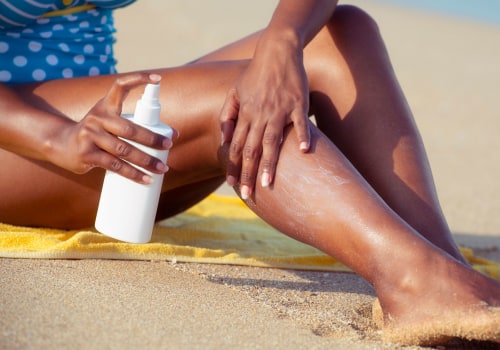
Reapplying your natural sunscreen is crucial for maintaining protection throughout the day. Here are some guidelines:- Frequency: Reapply every two hours, or more frequently if you are swimming or sweating. Even water-resistant formulas can lose effectiveness over time.
- After Swimming or Towelling Off: If you have been in water or have towelled off, it’s essential to reapply immediately after drying off to ensure continued protection.
- Layering Products: If you use other skincare products, such as moisturisers or makeup, consider using a spray or powder sunscreen for easy reapplication without disturbing your existing layers.
Considerations for Different Skin Types
Not all skin types react the same way to natural sunscreens. Here are some considerations:- Sensitive Skin: If you have sensitive skin, opt for plant-based SPFs that contain soothing ingredients like aloe vera or chamomile.
Always perform a patch test before full application.
- Oily Skin: For oily skin types, look for lightweight formulations that won’t clog pores. Gel-based sunscreens can be an excellent choice as they absorb quickly and leave a matte finish.
- Dry Skin: Those with dry skin should seek out products rich in moisturising ingredients like shea butter or coconut oil, which can provide hydration while protecting against UV damage.
Potential Limitations and Considerations
While the appeal of plant-based SPF products is undeniable, it is essential to consider their potential limitations and the specific circumstances under which they may not be suitable for everyone. Understanding these factors can help you make informed decisions about your sun protection strategy.Limitations of Natural Sunscreens
One of the primary concerns with natural sunscreens is that they may not provide the same level of protection as traditional chemical sunscreens. Many plant-based ingredients have lower SPF ratings, which means they might not be adequate for prolonged sun exposure, especially during peak hours.
For instance, while red raspberry seed oil boasts an impressive SPF range, it may still fall short compared to synthetic options that offer higher and more consistent protection.Additionally, the effectiveness of natural sunscreens can be influenced by various factors such as skin type, application method, and environmental conditions. For example, if a product is not applied liberally or evenly, its protective capabilities can diminish significantly. This makes it crucial to apply a generous amount and to reapply frequently, particularly after swimming or sweating.
Potential Side Effects of Plant-Based Ingredients
Although many people find natural ingredients to be gentler on the skin, some individuals may experience adverse reactions. Allergies to specific plant extracts are not uncommon.
For instance, those with sensitivities to certain essential oils or botanical extracts should exercise caution when trying new products. Common allergens include coconut oil and shea butter, which can cause irritation or allergic reactions in susceptible individuals.Moreover, while many plant-based ingredients are rich in antioxidants and beneficial compounds, they can also lead to photosensitivity in some cases. This means that certain natural ingredients may make your skin more sensitive to sunlight rather than protecting it. Therefore, it is vital to research each ingredient thoroughly before use.
Who Should Avoid Natural SPF?
Individuals with specific skin conditions such as eczema or psoriasis should consult a dermatologist before using natural sunscreens.
The presence of certain oils or extracts might exacerbate their conditions rather than provide relief. Additionally, those with a history of allergic reactions to plants should approach natural SPF products with caution.Furthermore, pregnant or breastfeeding women should also consider consulting healthcare professionals before incorporating new skincare products into their routines. Some plant-based ingredients may not be well-studied for safety during pregnancy.
The Importance of Patch Testing
Before fully committing to a new natural sunscreen product, conducting a patch test is highly recommended. This involves applying a small amount of the product on a discreet area of skin and monitoring for any adverse reactions over 24 hours.
This simple step can help identify potential allergies or sensitivities without risking widespread irritation.In conclusion, while plant-based SPF products offer numerous benefits and align with a more natural approach to skincare, it is crucial to remain aware of their limitations and potential side effects. By understanding who should exercise caution and the importance of patch testing, you can enjoy the sun safely while making informed choices about your skincare regimen.
Frequently Asked Questions About Plant-Based SPF Ingredients
As the interest in plant-based SPF ingredients continues to grow, many individuals have questions regarding their effectiveness, safety, and application. Below are some of the most frequently asked questions about natural sunscreen and plant-based SPF ingredients.What are plant-based SPF ingredients?
Plant-based SPF ingredients are natural extracts derived from various plants that provide sun protection. These ingredients can absorb or reflect UV radiation, helping to shield the skin from harmful sun exposure.Common examples include red raspberry seed oil, carrot seed oil, and coconut oil.
Are natural sunscreens as effective as chemical sunscreens?
While many natural sunscreens may not offer the same level of broad-spectrum protection as traditional chemical sunscreens, they can still be effective when used correctly. It is essential to choose products with a high concentration of active plant-based ingredients and to apply them generously and frequently for optimal protection.Can I rely solely on plant-based SPF for sun protection?
Although plant-based SPF ingredients provide some level of sun protection, it is advisable to use them in conjunction with other sun safety measures. This includes wearing protective clothing, seeking shade during peak sun hours, and reapplying sunscreen every two hours or after swimming or sweating.Are there any side effects associated with using natural sunscreens?
Generally, plant-based SPF ingredients are well-tolerated by most skin types. However, some individuals may experience allergic reactions or irritation from specific botanical extracts.It is always recommended to perform a patch test before applying a new product extensively.
What misconceptions exist about natural sunscreens?
- Myth: Natural sunscreens do not work at all.
- Fact: While they may not provide the same level of protection as chemical options, many natural ingredients have been shown to offer significant UV protection.
- Myth: All natural ingredients are safe for everyone.
- Fact: Some individuals may have sensitivities or allergies to certain plant extracts; thus, it’s crucial to check ingredient lists carefully.
Conclusion: Embracing Natural Sun Protection for Healthier Skin
As we conclude our exploration of SPF natural ingredients and their role in protecting our skin, it is essential to reflect on the myriad benefits these plant-based alternatives offer. The shift towards natural sun protection is not merely a trend; it represents a growing awareness of the importance of caring for our skin with gentler, more sustainable options.Throughout this article, we have highlighted several key points that underscore the advantages of using natural ingredients for sun protection:- Gentleness on the Skin: Unlike traditional sunscreens that often contain harsh chemicals, natural SPF ingredients are typically less irritating and more suitable for sensitive skin types.
- Additional Skin Benefits: Many plant-based extracts not only provide sun protection but also offer nourishing properties, such as hydration and anti-inflammatory effects, which can enhance overall skin health.
- Antioxidant Protection: Ingredients like red raspberry seed oil and carrot seed oil are rich in antioxidants, helping to combat free radical damage caused by UV exposure.
- Holistic Approach: Embracing natural sun protection aligns with a broader commitment to holistic skincare, promoting wellness through the use of organic and sustainable products.
By choosing products that harness the power of nature, you not only safeguard your skin from harmful UV rays but also contribute to a more sustainable beauty industry. Remember to apply generously and reapply frequently to ensure optimal protection.Ultimately, embracing natural sun protection is about more than just shielding your skin; it’s about nurturing it. With a wealth of options available, there’s never been a better time to make the switch to plant-based SPF. Your skin will thank you for it!.